


Yemen’s political tensions have escalated as the Southern Transitional Council (STC) takes full control of Hadramawt, the country’s largest and oil-rich province. The armed group’s move directly defied warnings from Saudi Arabia, which had declared Hadramawt a red line.
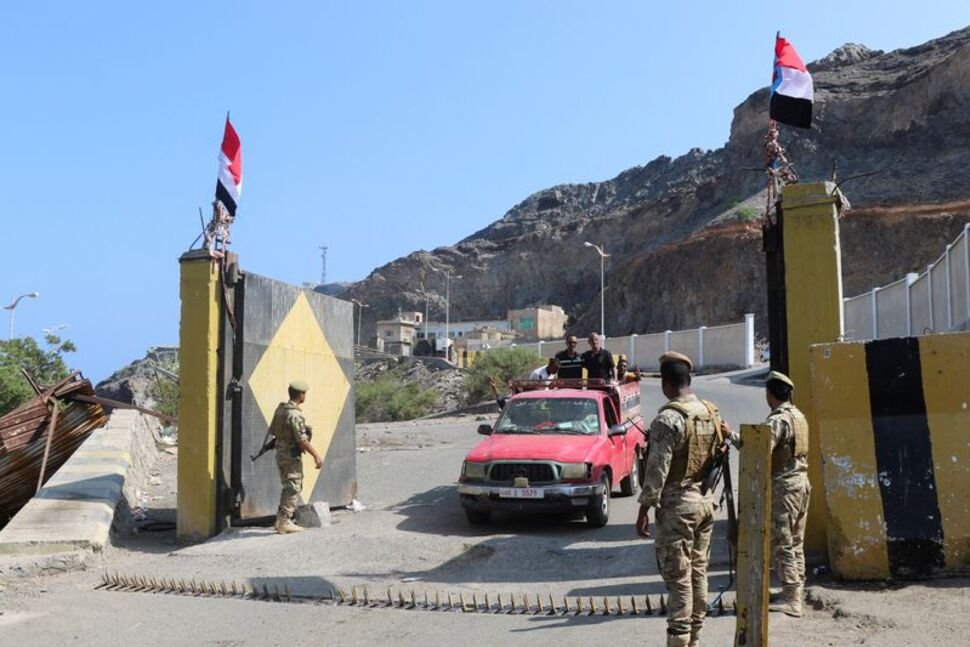
Three weeks ago, STC forces unexpectedly seized key positions in Hadramawt near the Saudi border. Since then, the group has strengthened its hold on oil fields and main checkpoints, establishing a permanent administrative and military presence. According to a report on December 22, STC claims it has restored stability in the region and has not harassed civilians.
In a video statement, STC National Council leader Ali Al-Khatiri said that since December 3, the group has maintained peace in Hadramawt. Members claim that restrictions on weapons have allowed residents to feel safer and that business and trade have increased. STC supporters advocate for creating a separate South Arabian state, citing historical claims and self-determination rights.
“We demand the establishment of a South Arabian state. This is part of our legitimate rights,” Al-Khatiri said. “The people of the self-reliant South Arabian state deserve a dignified life, and we are ready to manage our country and resources. The international community and the UN Security Council will be presented with the current situation to recognize our state.”
Meanwhile, northern Yemen remains under Houthi control, and internationally recognized government forces have lost significant influence in the south. Human rights organizations report that STC fighters have arbitrarily detained numerous civilians, raising concerns about the humanitarian situation.
Analysts view the takeover as part of a broader geopolitical struggle between Saudi Arabia and the United Arab Emirates. Saudi Arabia seeks to keep Yemen unified to prevent instability along its border, while the STC aims to remove Saudi-backed government forces and consolidate its own power in southern regions.
The U.S.-based magazine Jacobin described the situation as a “dangerous political turn” for Yemen. If the STC maintains control over Hadramawt, the country could effectively split into three zones: Houthi-controlled north, a weakened internationally recognized government in the center, and the STC in the far south. The capture of oil fields and border-adjacent areas places Yemen’s unity on a precarious edge.
The ongoing political and military developments highlight the complexity of Yemen’s conflict. The STC’s consolidation of Hadramawt not only challenges Saudi influence but also raises questions about the future of Yemen’s territorial integrity. International observers are closely monitoring the situation as the potential for increased regional instability grows.
As tensions mount, the STC’s control over one of Yemen’s most resource-rich provinces underscores the shifting power dynamics and the fragility of the internationally recognized government. With oil revenues and strategic locations at stake, the southern separatist group could become a dominant force in shaping Yemen’s future political landscape.