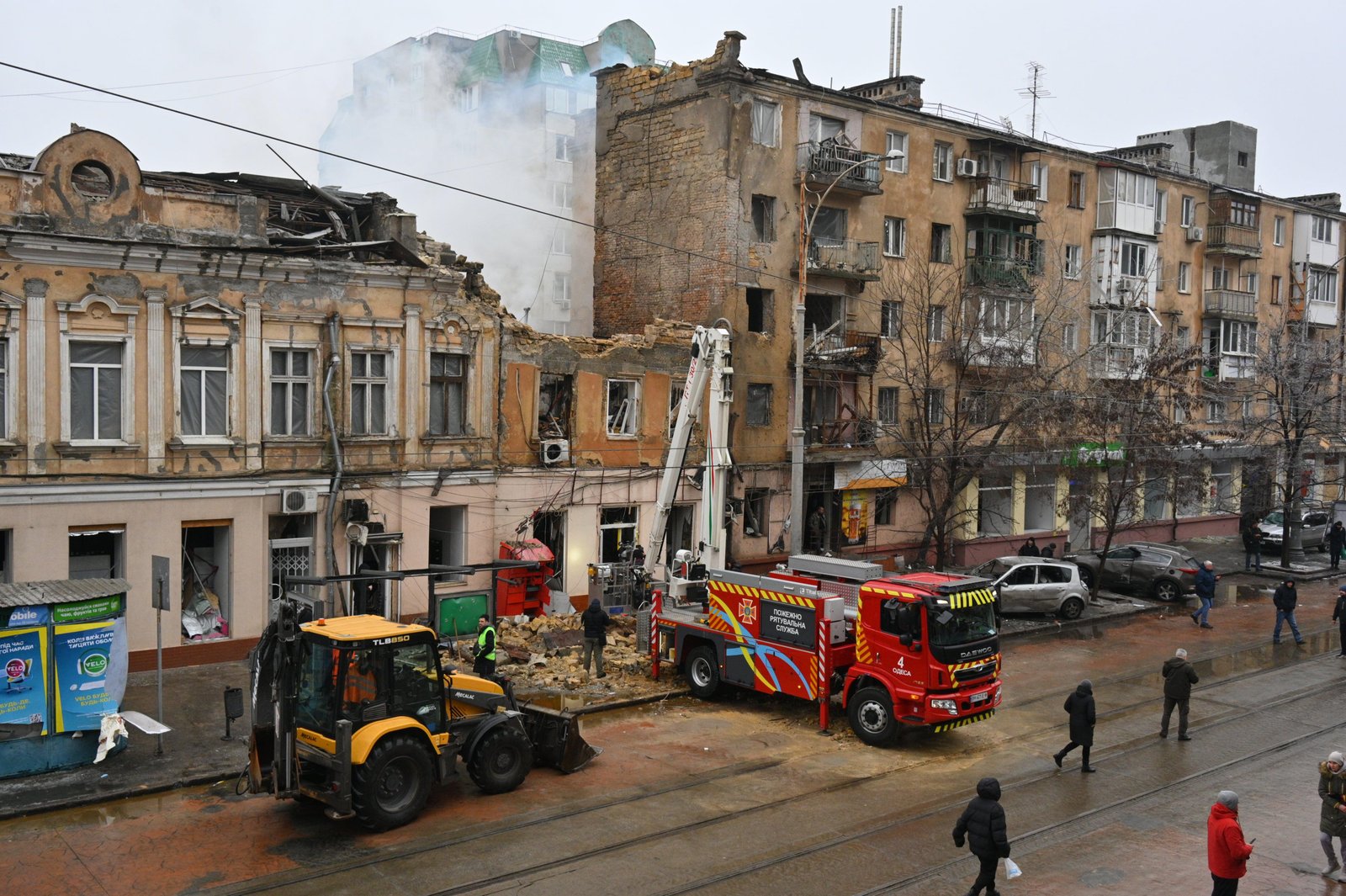



A United Nations team has described Sudan’s city of El-Fasher as a “crime scene” following its first visit since the paramilitary Rapid Support Forces (RSF) seized control in October. The largely deserted city shows clear signs of mass atrocities and widespread destruction.
UN aid staff entered El-Fasher on Friday after weeks of negotiations. They found only a small number of residents, with most sheltering in empty buildings or under plastic sheets. A limited market offered only locally grown vegetables.
Denise Brown, the UN resident and humanitarian coordinator for Sudan, said, “There were very few people we could see. We have photos showing fatigue, stress, anxiety, and loss on their faces.”
Since the RSF takeover on October 26, more than 100,000 residents have fled the city. Survivors reported ethnically targeted killings and arbitrary detentions. The RSF’s control has allowed it to consolidate power in Darfur, expanding conflict into the Kordofan region.
UNICEF has warned of “unprecedented” child malnutrition in North Darfur. Recent screenings in Um Baru locality showed 53 percent of 500 children were acutely malnourished, with one in six suffering from severe acute malnutrition—a condition that can be fatal within weeks if untreated.
A Yale University Humanitarian Research Lab report in December documented the RSF’s systematic efforts to erase evidence of mass killings. Satellite images showed that by late November, 72 percent of clusters consistent with human remains had shrunk, and 38 percent had disappeared entirely.
Local sources, including the Sudan Doctors Network, reported that more than 200 people—including women and children—were killed on ethnic grounds during a recent RSF offensive in the Dar Zaghawa region. These attacks, beginning December 24, may block the final escape route for civilians fleeing to Chad.
In April, RSF forces killed over 1,000 civilians during a three-day assault on the Zamzam displacement camp, with the UN Human Rights Office documenting widespread sexual violence, including rape and sexual slavery.
Friday’s UN visit assessed the city’s accessibility for humanitarian aid. Brown noted ongoing concerns about injured individuals and those potentially detained by the RSF.
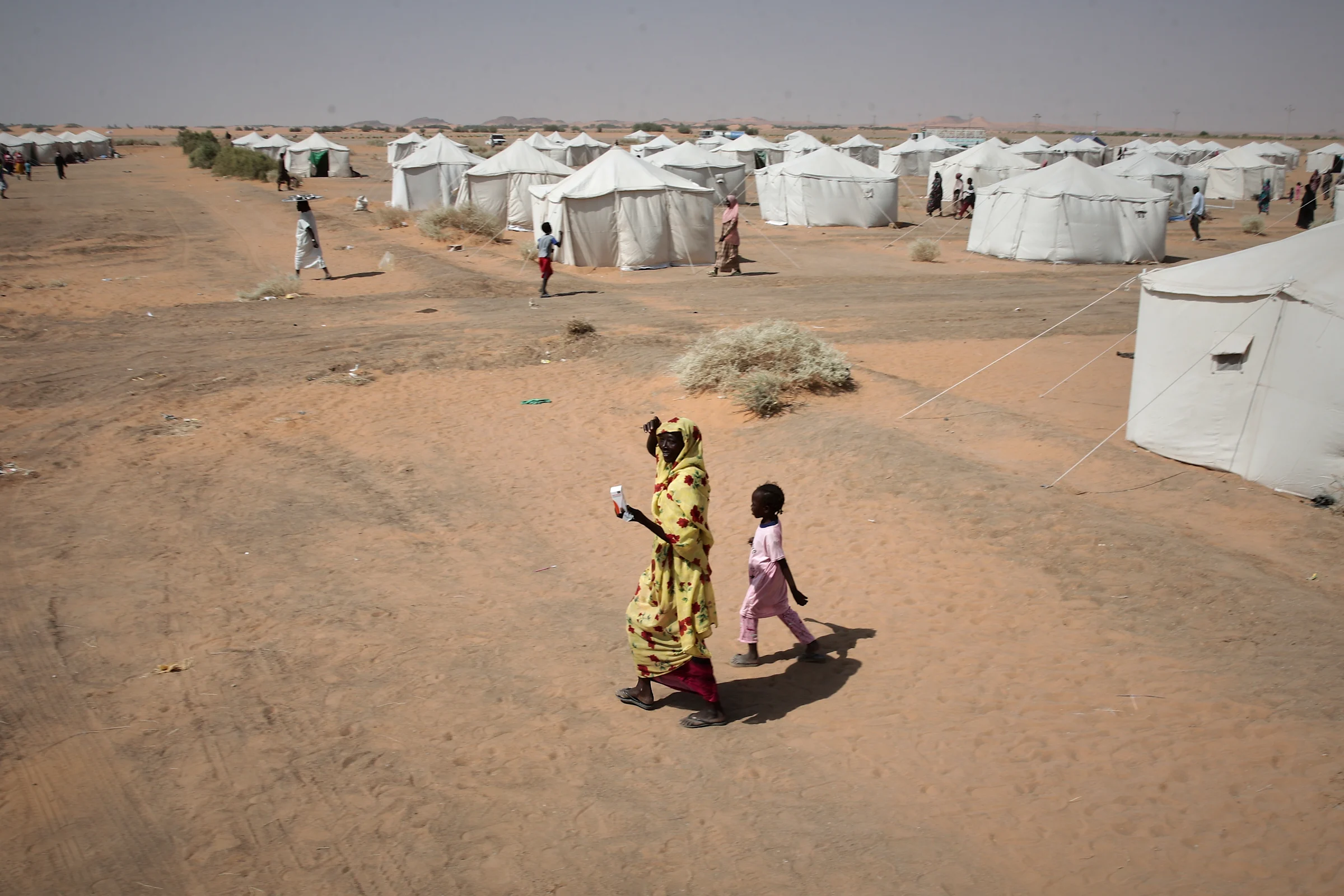
Sudan’s war began in April 2023 when a power struggle erupted between the Sudanese Armed Forces (SAF) and the RSF. The conflict has killed over 100,000 people, displaced 14 million—including 4.3 million refugees—and left El-Fasher and surrounding areas with an estimated 107,000 displaced residents. About 72 percent of these remain within North Darfur, with many already previously displaced, resulting in repeated relocations.
Army leader General Abdel Fattah al-Burhan has rejected negotiations, insisting the war will end only with the RSF’s surrender. The U.S. State Department expressed concern over SAF rhetoric calling for military solutions and urged Sudanese leaders to pursue peace. The RSF dismissed a peace proposal from Prime Minister Kamil Idris as “wishful thinking.”
El-Fasher, once a government-aligned stronghold in Darfur, now remains under RSF control. The UN continues to call for immediate ceasefires to allow humanitarian aid to reach civilians trapped by the ongoing conflict.