



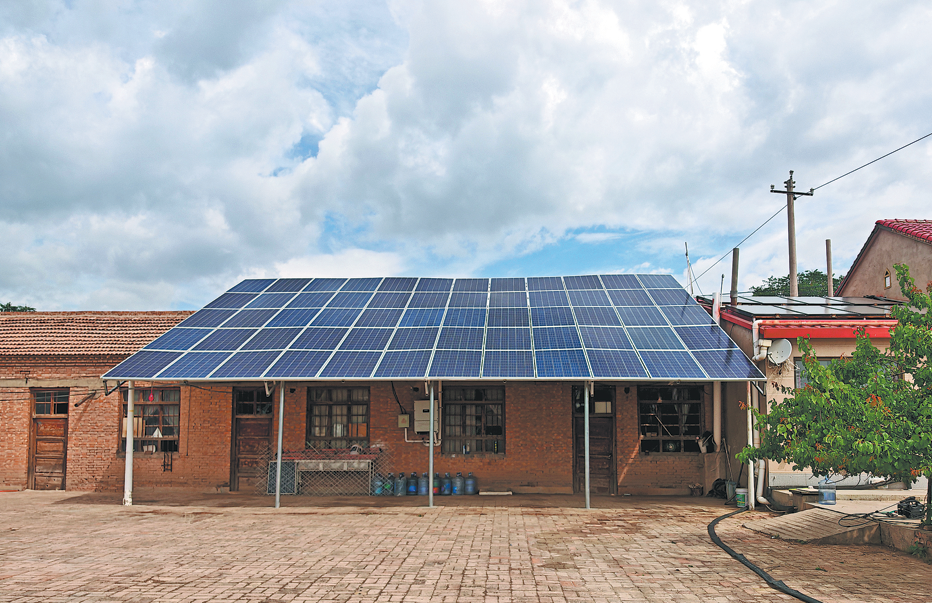
Ningxia Hui Autonomous Region in northwest China is leading the way in renewable energy with a program that lets residents install solar panels on their rooftops and sell electricity back to the grid.
The region enjoys about 3,000 hours of sunlight each year, making it one of the sunniest areas in China. Its renewable energy production from solar and wind already exceeds local demand.
In Tongxin County, the grid-connected capacity of rooftop solar systems has reached 125.62 megawatts as of December. These systems generate roughly 226 million kilowatt-hours per year. This amount of electricity can power about 90,000 households annually. Residents earn nearly 40 million yuan ($5.7 million) each year from selling the extra electricity.
Chen Hua, Tongxin Party Secretary, said the project benefits both the environment and local communities. “Every morning, residents hope to see the sun. When it shines, income comes in,” Chen said.
One local farmer, Ma Zhanhai, invested 200,000 yuan in rooftop solar panels for his home in Yuhai Township. His system produces about 150,000 kilowatt-hours of electricity per year. Ma expects to recover his investment within five years. The panels have a lifespan of 25 years, giving him steady profits for the next two decades.
The program also supports poverty reduction in rural areas. By earning money from solar power, families have new income sources beyond farming. This additional revenue helps improve living standards and strengthens the local economy.
Rooftop solar installations have become popular because they are easy to maintain and have low environmental impact. They reduce reliance on fossil fuels and lower greenhouse gas emissions. For Ningxia, this aligns with the region’s goal to expand clean energy use and lead in green development.
Local officials encourage more residents to join the program. Subsidies and technical support are available to make installations affordable. Many households see rooftop solar as a long-term investment that benefits both their finances and the environment.
Experts say Ningxia’s solar model could serve as an example for other regions. Distributed rooftop solar not only generates clean energy but also directly improves residents’ income. It combines environmental goals with economic development.
With consistent sunlight and supportive policies, Ningxia’s rooftop solar initiative is expected to grow. More homes joining the program will increase electricity sales and further reduce rural poverty. For residents like Ma Zhanhai, sunny days now mean more than warmth—they bring financial gains as well.
As China pushes for renewable energy nationwide, Ningxia’s approach shows how solar power can benefit households, communities, and the planet. It proves that clean energy can be profitable for ordinary people while supporting sustainable development.