


Texas has launched a new plan to bring Turning Point USA chapters to high schools across the state. The initiative aims to open the right-wing organization’s clubs in every public high school campus.
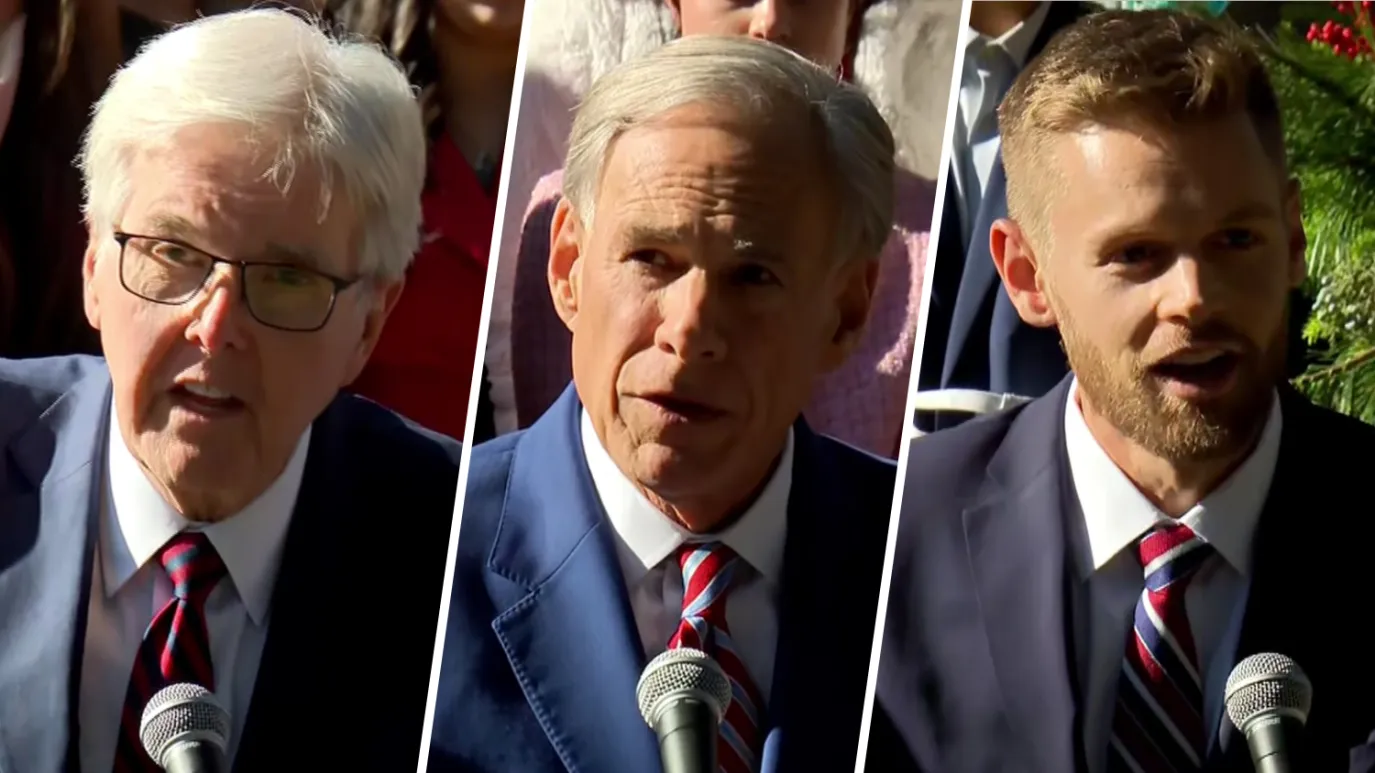
Governor Greg Abbott, Lieutenant Governor Dan Patrick, and Turning Point USA Senior Director Josh Thifault announced the program at the Governor’s Mansion on Monday. The officials did not explain how schools would be required to start the clubs. However, Abbott warned that schools blocking the initiative could face “meaningful disciplinary action.”
“Any school that stands in the way of a Club America program should be reported immediately to the Texas Education Agency,” Abbott said, referring to the high school chapters.
The plan comes after Texas Education Commissioner Mike Morath met with Thifault in early November to discuss expanding the organization’s presence in schools. Four days after that meeting, Patrick pledged $1 million from campaign funds to support the project.
Turning Point USA was founded by conservative activist Charlie Kirk, who was praised for promoting free speech but criticized for controversial comments targeting LGBTQ+ people, non-Christians, people of color, and women. Kirk was killed in September while speaking on a college campus in Utah.
Following Kirk’s death, Abbott and Morath criticized teachers who made social media posts about the activist. The state has launched investigations into hundreds of complaints, which raised questions about teachers’ First Amendment protections. Typically, the agency investigates serious violations, like threats or abuse.
Turning Point USA has mostly operated on college campuses, promoting conservative values among students. The organization is also known for its professor watchlist, which highlights educators seen as promoting liberal ideas. These actions have sometimes caused conflicts, with students and faculty reporting harassment.
The high school chapters, called Club America, aim to “build strong networks, spearhead impactful initiatives, help students register to vote, and inspire meaningful conversations about the foundations of a free society,” according to the organization’s website. Turning Point says it has received tens of thousands of inquiries from students wanting to start chapters.
Abbott and Patrick emphasized that the program seeks to expand the clubs statewide. Texas currently has more than 500 high schools with Club America chapters. Turning Point hopes to eventually have 20,000 chapters across U.S. high schools.
Other Republican-led states, such as Oklahoma and Florida, have launched similar partnerships. These efforts rely on students to start the clubs, while Turning Point provides support. Oklahoma’s former superintendent even threatened schools with accreditation consequences if they refused the organization.
Petitions have emerged calling for the removal of Turning Point USA chapters in schools. Critics argue that the group promotes “racist, homophobic, and sexist” messages. The Southern Poverty Law Center describes Turning Point as a group that fosters fear, suggesting that white Christian values are threatened by immigrants, LGBTQ+ communities, and civil rights activists.
Texas’ partnership with Turning Point represents another step by Republican officials to influence education. Over the years, the state has passed laws requiring Ten Commandments displays in classrooms and limiting how schools teach America’s history of slavery and racism.
Abbott defended the initiative as being about values and constitutional principles, comparing it to other school organizations like the Fellowship of Christian Athletes. He noted that the state law signed this year banned LGBTQ+ student clubs but said progressive clubs would not be illegal.
Experts say state partnerships with political organizations in schools raise constitutional questions. It is unclear whether using government resources for political causes violates the law, but the move warrants attention.
Zeph Capo, president of the Texas American Federation of Teachers, said groups like Turning Point may have a place in college but warned that high school students are more impressionable. He questioned whether politically divisive organizations belong in secondary education.