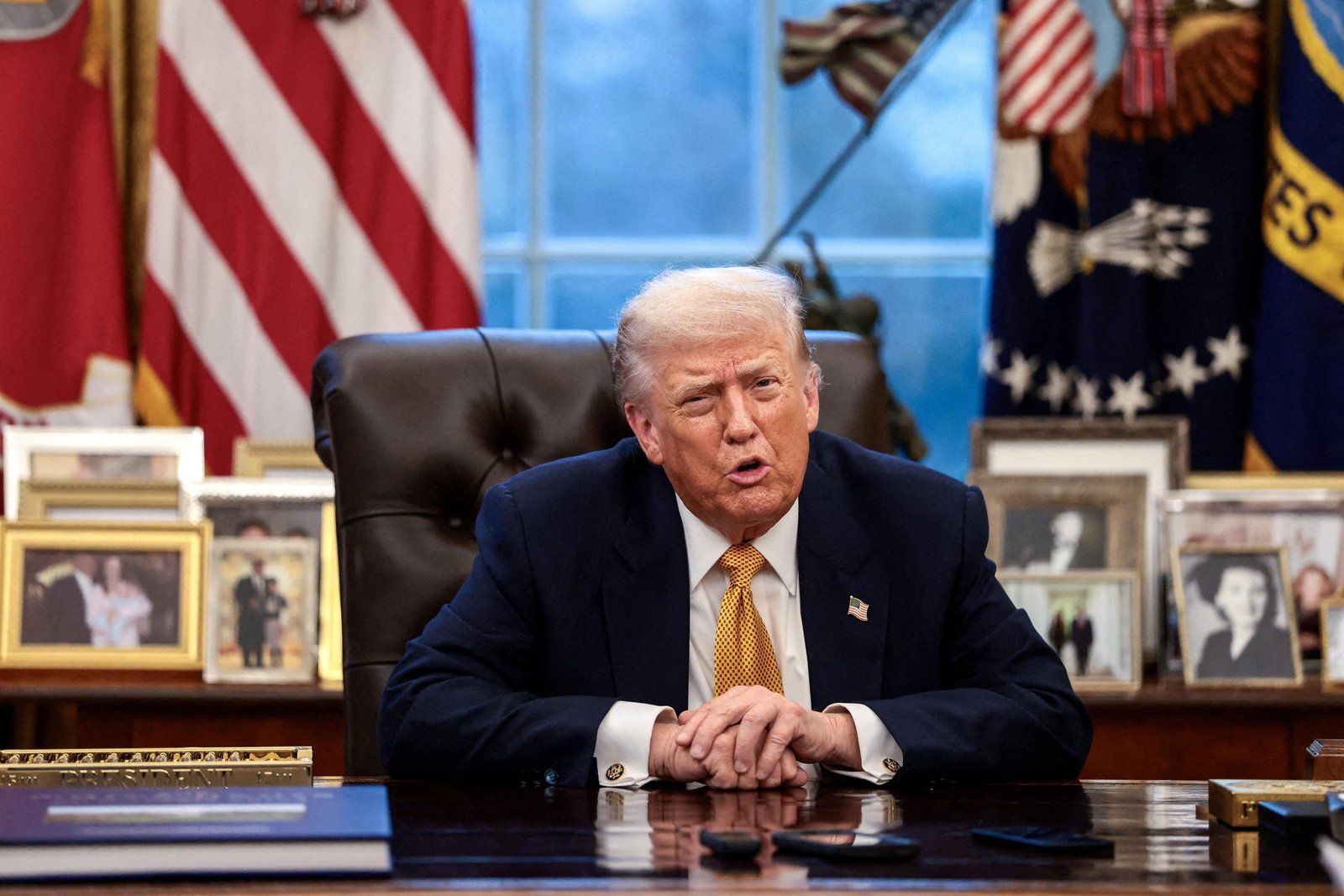


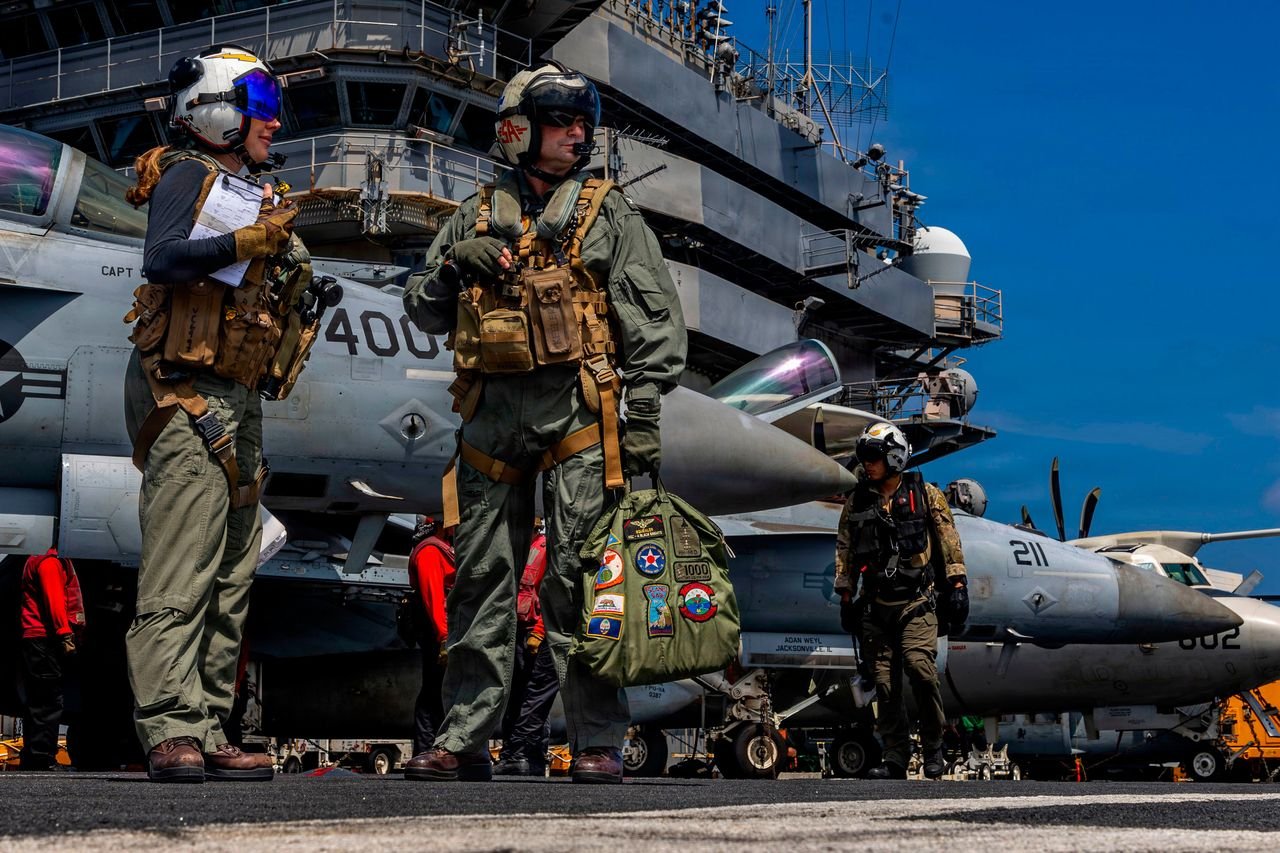
U.S. President Donald Trump has deployed a powerful naval fleet to the Middle East while continuing to signal his desire for a diplomatic deal with Iran. This move comes despite sharp warnings from Iran’s Supreme Leader Ayatollah Khamenei.
According to Daljoog News analysis, Trump’s approach reflects a dual strategy: projecting military strength to deter Tehran while keeping the door open for negotiations. The balance between force and diplomacy remains delicate.
The tensions escalate as both sides prepare for potential conflict, but daily life in Tehran appears largely unaffected. Residents say they do not plan to evacuate, even if hostilities break out.
What Happened?
On Sunday, President Trump issued a stern warning regarding potential consequences if Iran refuses to negotiate a deal. The statement followed Iran’s repeated threats against U.S. interests in the region.
Meanwhile, Tehran announced full military readiness, emphasizing that any U.S. attack could ignite a broader conflict across the Middle East. Iranian officials highlighted that their current preparations far exceed those during last June’s 12-day escalation.
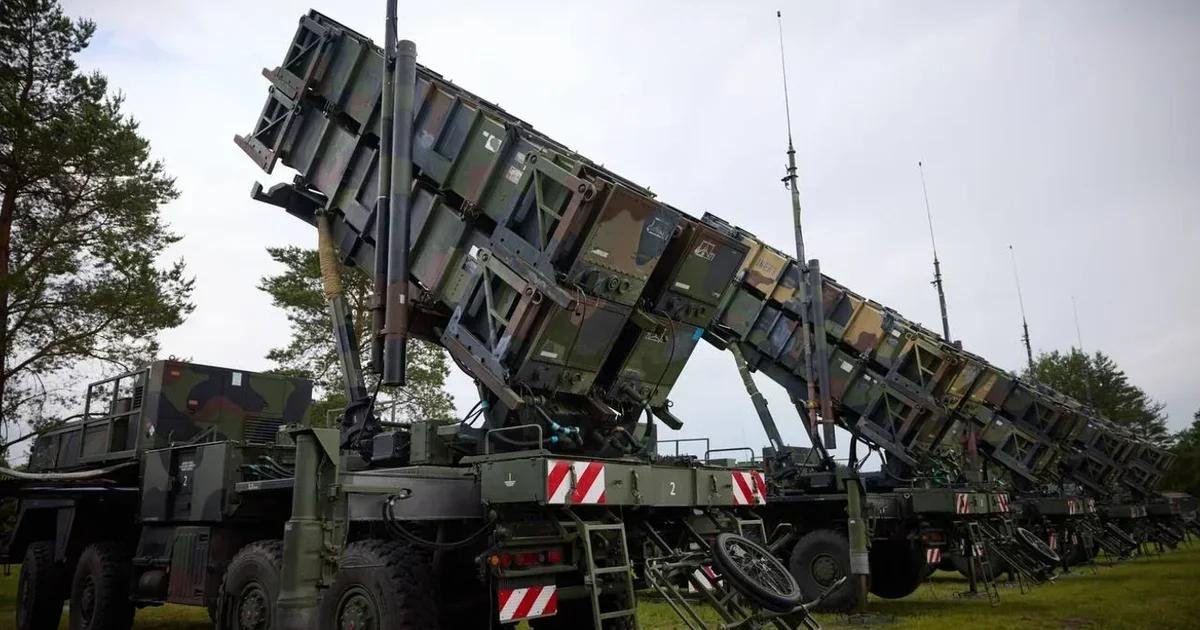
The U.S. has dispatched advanced warships equipped with missile systems and rapid-response capabilities, signaling readiness for both defense and offensive operations if necessary.
Why This Matters
The standoff between Washington and Tehran carries serious regional and global implications. A confrontation could destabilize critical oil shipping lanes in the Persian Gulf, disrupt global energy markets, and heighten security risks for neighboring countries.
Analysts warn that any miscalculation could trigger a chain reaction, drawing other powers into a wider conflict. Even a limited clash would strain U.S. military resources already stretched across multiple theaters.
For the Iranian government, maintaining a posture of deterrence strengthens domestic legitimacy and sends a clear message to international observers about its resolve.
What Analysts or Officials Are Saying
Experts note that Trump’s dual-track strategy—military pressure combined with diplomatic overtures—is intended to maximize leverage. A senior U.S. analyst told Daljoog News that “Trump is betting that the threat of force will push Tehran back to the negotiating table without triggering full-scale war.”
Iranian officials, meanwhile, stress that any U.S. strike would be met with a swift and coordinated response across the region. Observers see this as part of Tehran’s messaging to demonstrate both military readiness and strategic patience.
Daljoog News Analysis
The unfolding situation illustrates a classic tension in U.S.-Iran relations: the struggle between coercion and diplomacy. Trump’s naval deployment signals seriousness, but his public hope for a deal suggests he is acutely aware of the economic and political costs of war.
Meanwhile, life in Tehran continues under an unusual normalcy. Citizens’ refusal to evacuate may reflect both confidence in their government’s defenses and fatigue from past regional conflicts. This social resilience complicates the psychological impact of U.S. military posturing.
Daljoog News views this as a test of strategic signaling: the United States must show strength without provoking escalation, while Iran aims to assert deterrence without crossing thresholds that invite retaliation.
What Happens Next
Observers expect a tense standoff to continue in the coming weeks. U.S. officials may maintain naval deployments while engaging in back-channel diplomacy. Tehran is likely to monitor any moves closely, calibrating military responses to avoid premature escalation.
The international community remains on alert, aware that even minor incidents could quickly escalate. Energy markets, shipping lanes, and regional alliances will all feel the ripple effects of any confrontation.
For now, both sides appear committed to demonstrating resolve while leaving space for negotiations—a precarious balance that will define the next chapter of U.S.-Iran relations.