

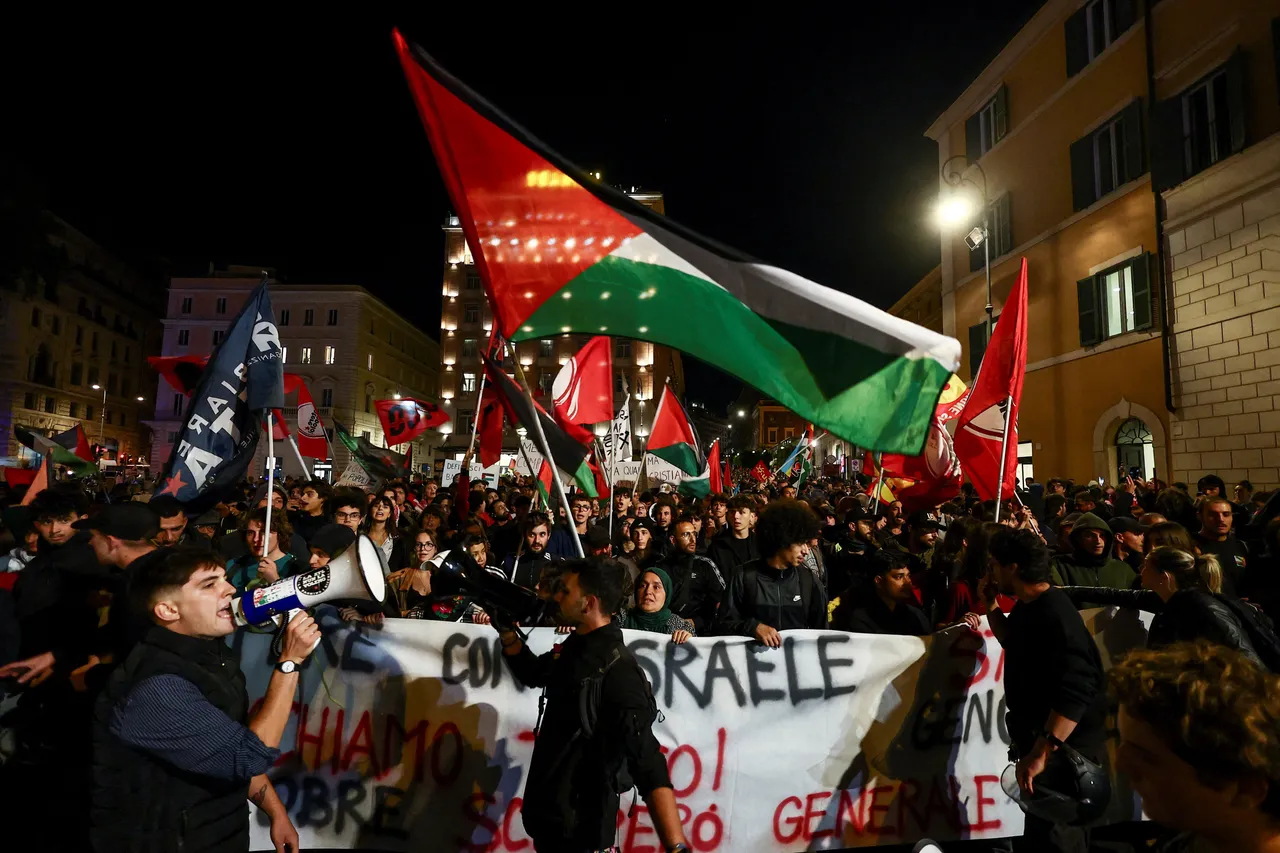
Mass protests erupted on Sunday across multiple countries, reflecting growing public anger over international and domestic political issues. In Istanbul, Ankara, Turin, Prague, and Karachi, demonstrators took to the streets with flags, banners, and fiery slogans.
According to Daljoog News analysis, these demonstrations highlight how global grievances—ranging from foreign intervention to local governance—can quickly mobilize people across continents. Social media amplification and shared causes appear to accelerate turnout.
The timing is notable, coming amid rising geopolitical tensions, economic concerns, and lingering public distrust of authorities in several nations. Analysts warn that these protests could influence policy debates and political positioning.
What Happened?
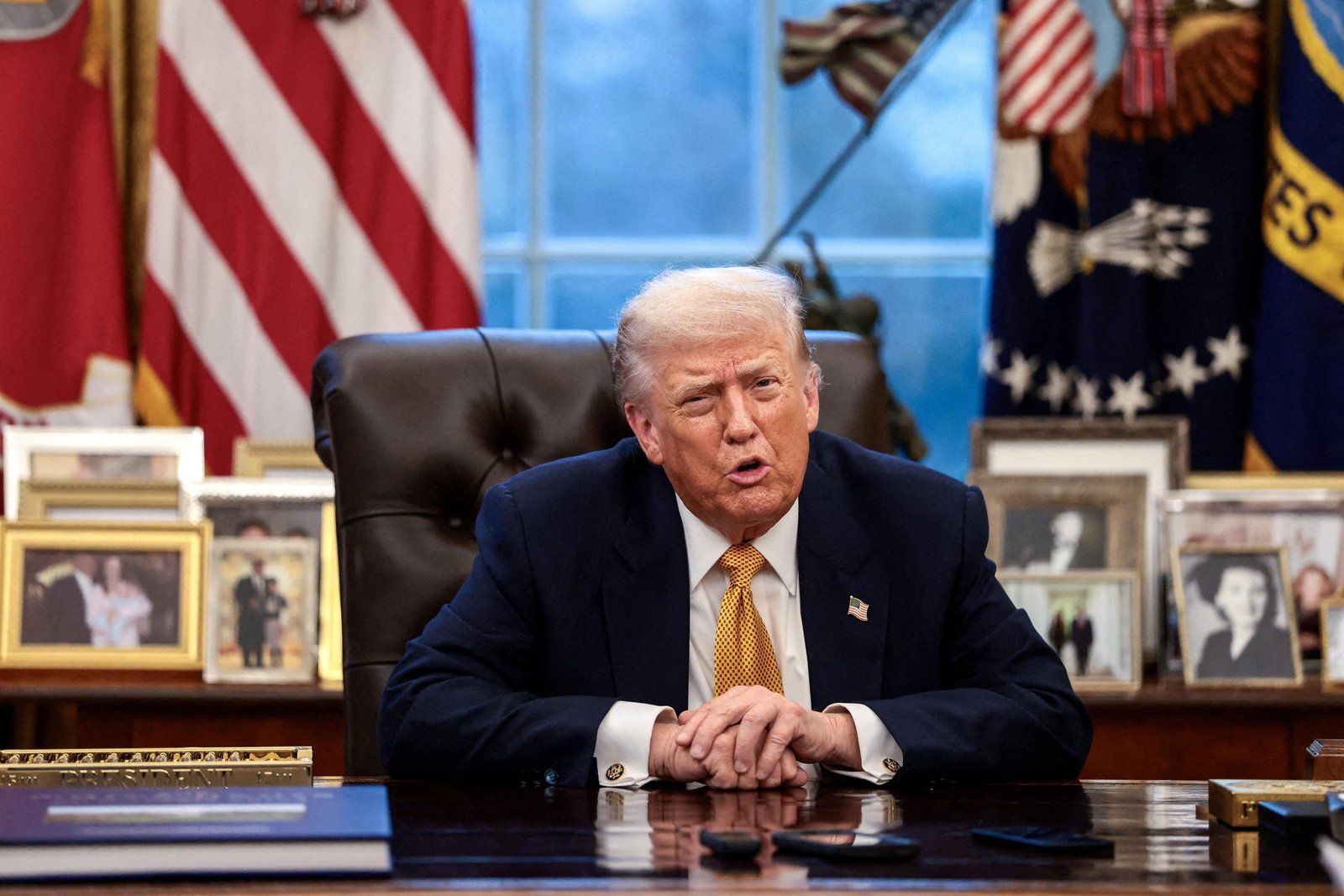
In Istanbul, hundreds of demonstrators gathered outside the U.S. Consulate General. Protesters burned U.S. and Israeli flags, carried placards denouncing foreign interference, and set alight images of President Donald Trump and Israeli Prime Minister Benjamin Netanyahu. Their message was clear: they oppose U.S. involvement in Iran’s internal affairs.
Meanwhile, in Prague’s Old Town Square, several thousand citizens rallied in support of Czech President Petr Pavel. Demonstrators waved flags of the Czech Republic, Ukraine, and the European Union, expressing backing for Pavel’s pro-Ukraine stance amid the ongoing war in Eastern Europe.
Italy also saw large-scale unrest. In Turin, thousands joined protests against the eviction of the Askatasuna Community Center. Stones, bottles, and fireworks were reportedly thrown at police, who responded with tear gas to disperse the crowd.
In Pakistan, Karachi witnessed one of the country’s largest recent demonstrations. Around 4,000 people attended a rally organized by Jamaat-e-Islami, marching along major city streets chanting slogans. Protesters demanded accountability from municipal authorities following the deadly January fire at Gul Plaza Mall that claimed at least 67 lives. They called for compensation for victims’ families and affected businesses.
Why This Matters
These protests are significant both regionally and globally. In Turkey and Pakistan, the demonstrations underscore growing frustration with perceived governmental failures and foreign interference. Such unrest can pressure officials to act, either through policy changes or concessions.
In Europe, rallies supporting Ukraine and EU-aligned positions indicate public engagement in foreign policy debates. Governments observing these movements may adjust their diplomatic stances to align with domestic opinion.
The scale and intensity of protests also reflect broader societal tensions. In Italy, clashes between demonstrators and police reveal how local disputes over urban spaces can rapidly escalate, posing public safety risks.
What Analysts or Officials Are Saying
Political analysts suggest that simultaneous protests across multiple countries indicate a convergence of grievances fueled by both local conditions and international events. A Daljoog News regional expert noted, “Citizens are increasingly linking global geopolitics with domestic accountability, using public demonstrations to voice frustration on both fronts.”
Authorities in each country stressed maintaining law and order. Turkish police closely monitored the U.S. Consulate protests, while Italian officials described the Turin clashes as isolated incidents of violence within otherwise peaceful protests. Pakistani city officials emphasized that compensation and safety measures are under review.
Daljoog News Analysis
The current wave of protests illustrates how interconnected political issues have become. In Turkey and Pakistan, anger over governance failures merges with opposition to foreign influence, creating highly charged environments. In Europe, citizens mobilize to influence their countries’ positions on global conflicts, signaling a new level of civic engagement in foreign policy.
Daljoog News observes that these movements are not only reactive but also strategic. Protesters are targeting visible symbols of authority—consulates, community centers, and city streets—to maximize media coverage and political pressure. The widespread turnout demonstrates that public sentiment can transcend national borders when shared causes resonate internationally.
What Happens Next
Authorities in all affected countries face critical choices. In Turkey and Pakistan, officials may seek to appease demonstrators through dialogue or policy promises, while balancing security concerns. Italy’s local governments could reconsider eviction plans or engage community leaders to reduce tensions.
Analysts predict that European support for Ukraine will continue to spark public demonstrations, particularly if geopolitical developments intensify. Governments and international actors will need to monitor protests carefully, as they can quickly influence diplomatic postures and domestic policy agendas.
For now, the wave of protests underscores a global reality: citizens are increasingly willing to take to the streets to challenge both local authorities and international actors they perceive as overstepping boundaries.