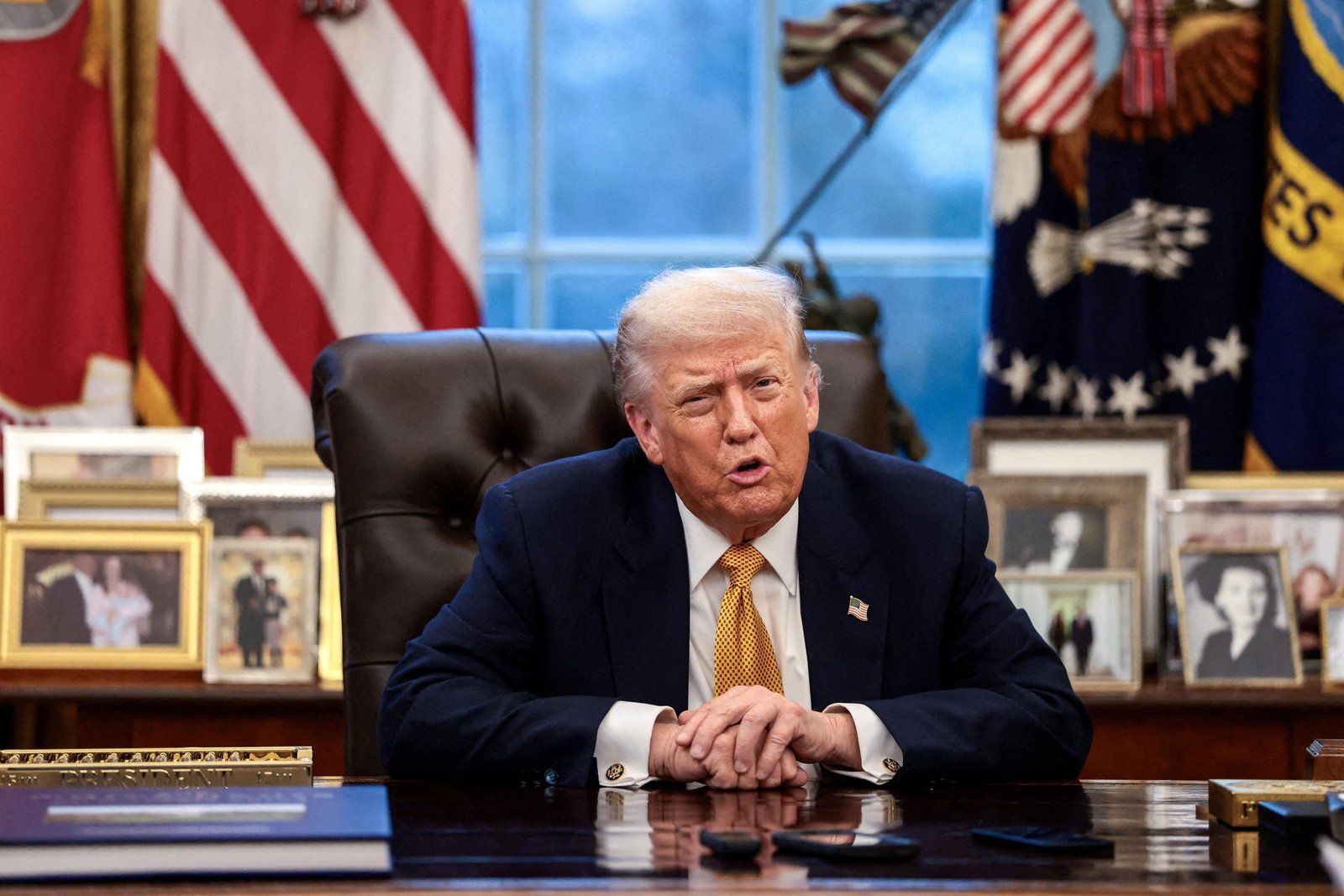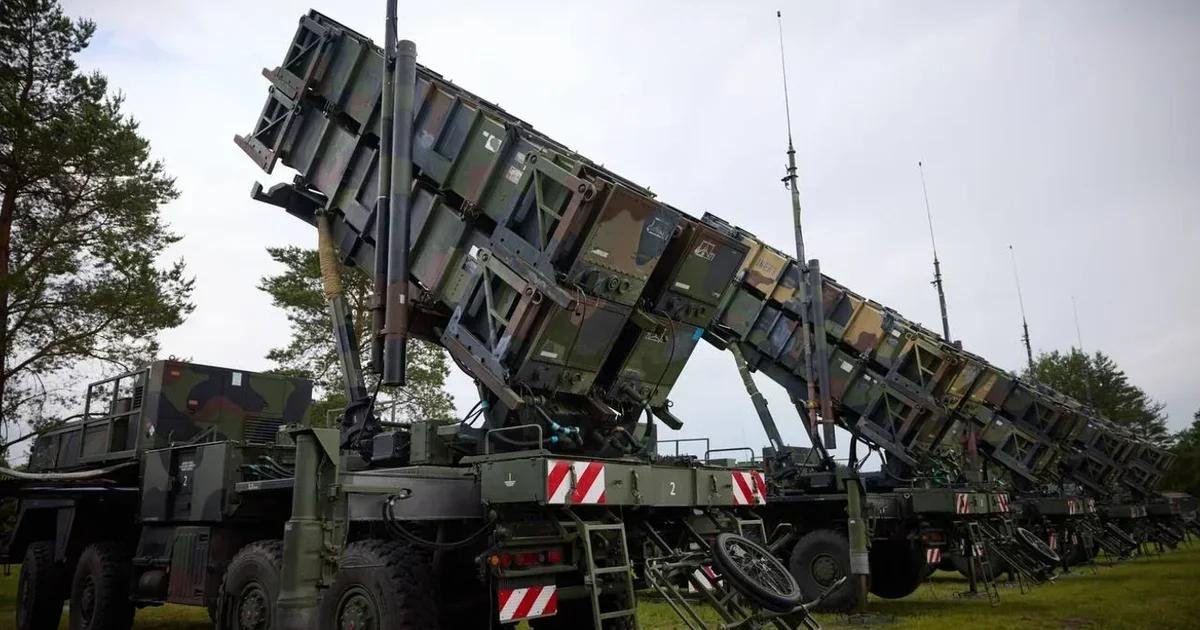


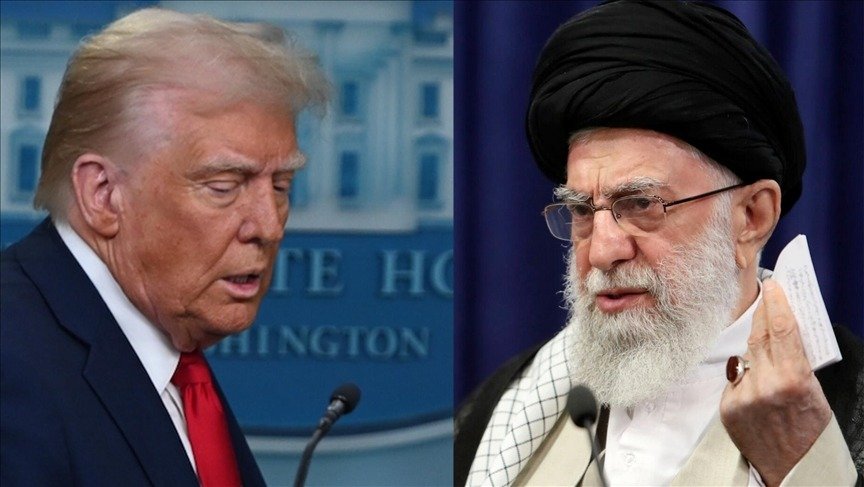
U.S. President Donald Trump has issued strict conditions to Iran as tensions rise in the Gulf. The White House confirmed that U.S. warships are being deployed while diplomacy moves forward.
According to Daljoog News analysis, the dual strategy reflects Washington’s push to combine military pressure with a return to negotiations. Trump is signaling that failure to meet demands could have serious consequences.
The diplomatic effort gains urgency as Iran faces domestic unrest and economic strain. A critical meeting is scheduled for February 6 in Istanbul, where high-level officials will discuss long-standing disputes.
What Happened?
President Trump announced that the United States is sending some of its most advanced warships to the Persian Gulf. The move comes amid renewed talks with Iran, signaling a mix of deterrence and diplomacy.
The upcoming February 6 meeting in Istanbul will bring together U.S. special envoy Steve Whitaker and Iranian Foreign Minister Abbas Araghchi. Mediators include Saudi Arabia, Qatar, and Egypt, underscoring the regional stakes.
Trump has outlined three key conditions for Iran to resume meaningful dialogue: completely halt uranium enrichment, impose controls on its ballistic missile program, and stop funding and supporting armed groups abroad. These demands are aimed at addressing both security concerns and broader regional stability.
The announcement follows a period of intense internal unrest in Iran, described by some analysts as the largest domestic upheaval since the 1979 Islamic Revolution. Citizens have protested widespread corruption and economic hardship, placing additional pressure on Tehran.
Why This Matters
The U.S. naval deployment, combined with strict diplomatic conditions, sends a clear message to Iran: negotiations will not proceed without compliance.
Daljoog News reporting indicates that this is a critical juncture for regional security. Any misstep could escalate tensions across the Middle East, affecting oil markets, military postures, and relations with Gulf allies.
For Iran, the situation is equally delicate. Domestic protests and an ailing economy mean that ignoring U.S. pressure could carry severe political and social consequences. At the same time, outright compliance with all U.S. demands remains politically sensitive for Tehran.
What Analysts or Officials Are Saying
Diplomatic sources note that while Iran has hinted at partial flexibility on uranium enrichment, it remains firm on its missile program. Officials describe the current phase as “testing the limits of negotiation under pressure.”
Regional analysts highlight that Saudi Arabia, Qatar, and Egypt are playing key roles in mediating discussions. Their involvement may help bridge the gap between U.S. demands and Iranian security concerns, potentially allowing a compromise before escalation occurs.
A senior Iranian diplomat, President Masoud Pejmanian, reportedly instructed his team to pursue a “respectful and fair” dialogue, signaling a cautious willingness to explore diplomatic options while protecting national interests.
Daljoog News Analysis
Daljoog News observes that Trump’s approach reflects a classic strategy: combine visible military power with behind-the-scenes diplomacy. The timing is strategic—Washington pressures Iran while allowing a controlled avenue for negotiations.
Iran’s current stance shows it is navigating between domestic unrest and external threats. The country’s willingness to show limited flexibility on uranium enrichment demonstrates recognition of international pressure, yet missile capabilities remain a red line.
This dynamic illustrates the complexity of U.S.-Iran relations: confrontation and dialogue are occurring simultaneously, with regional powers acting as critical intermediaries. It’s a delicate balancing act, where a single miscalculation could tip the situation toward conflict.
What Happens Next
All eyes are on Istanbul on February 6, when high-level officials meet to discuss long-standing disputes. Observers say the talks could set the tone for months of negotiations or, if stalled, a renewed period of tension.
Should Iran accept even partial compliance, it could ease sanctions pressures and signal a rare diplomatic breakthrough. Failure to meet U.S. conditions, however, may trigger further military deployments or sanctions, escalating tensions across the region.
For the broader Middle East, the outcome will influence regional alliances, energy markets, and the security calculus for both Gulf states and global powers. Daljoog News will continue monitoring developments as the Istanbul talks approach.