
Close Menu
Daljoog News
    What's Hot
    Last US-Russia Nuclear Treaty Expires, Raising Global Alarm

    Last US-Russia Nuclear Treaty Expires, Raising Global Alarm

    February 5, 2026
    Majority Doubt Trump Admin’s Account of Pretti Shooting

    Majority Doubt Trump Admin’s Account of Pretti Shooting

    February 5, 2026
    Australia Charges Teen Over Threats to Israeli President

    Australia Charges Teen Over Threats to Israeli President

    February 5, 2026
    Facebook X (Twitter) Instagram
    Thursday, February 5
    Daljoog News
    Facebook X (Twitter) YouTube Instagram
    • Home
    • General
    • World
    • Business
    • Technology
    • Politics
    • Finance
    • Health
    • Lifestyle
    • Sports
    • Travel
    Daljoog News
    Home»Geopolitics»Billion-dollar US warship fears cheap Iranian drones
    Geopolitics

    Billion-dollar US warship fears cheap Iranian drones

    Andrew RogersBy Andrew RogersFebruary 5, 2026No Comments4 Mins Read
    Facebook Twitter Pinterest LinkedIn Tumblr Email
    Follow Us
    Google News
    Billion-dollar US warship fears cheap Iranian drones
    Billion-dollar US warship fears cheap Iranian drones
    Share
    Facebook Twitter LinkedIn Pinterest Email

    Tensions between Iran and the United States in the Arabian Sea and the wider Gulf region have taken on a new dimension, as low-cost Iranian drones and small naval craft confront one of the world’s most expensive military fleets.

    According to Daljoog News analysis, the developments highlight a shifting balance in modern warfare, where cost-effective technology is increasingly capable of pressuring even the most advanced and expensive military platforms.

    Despite deploying billion-dollar aircraft carriers and fighter jets, the United States is finding itself repeatedly forced into defensive responses, signaling a changing security equation in the region.

    What Happened?

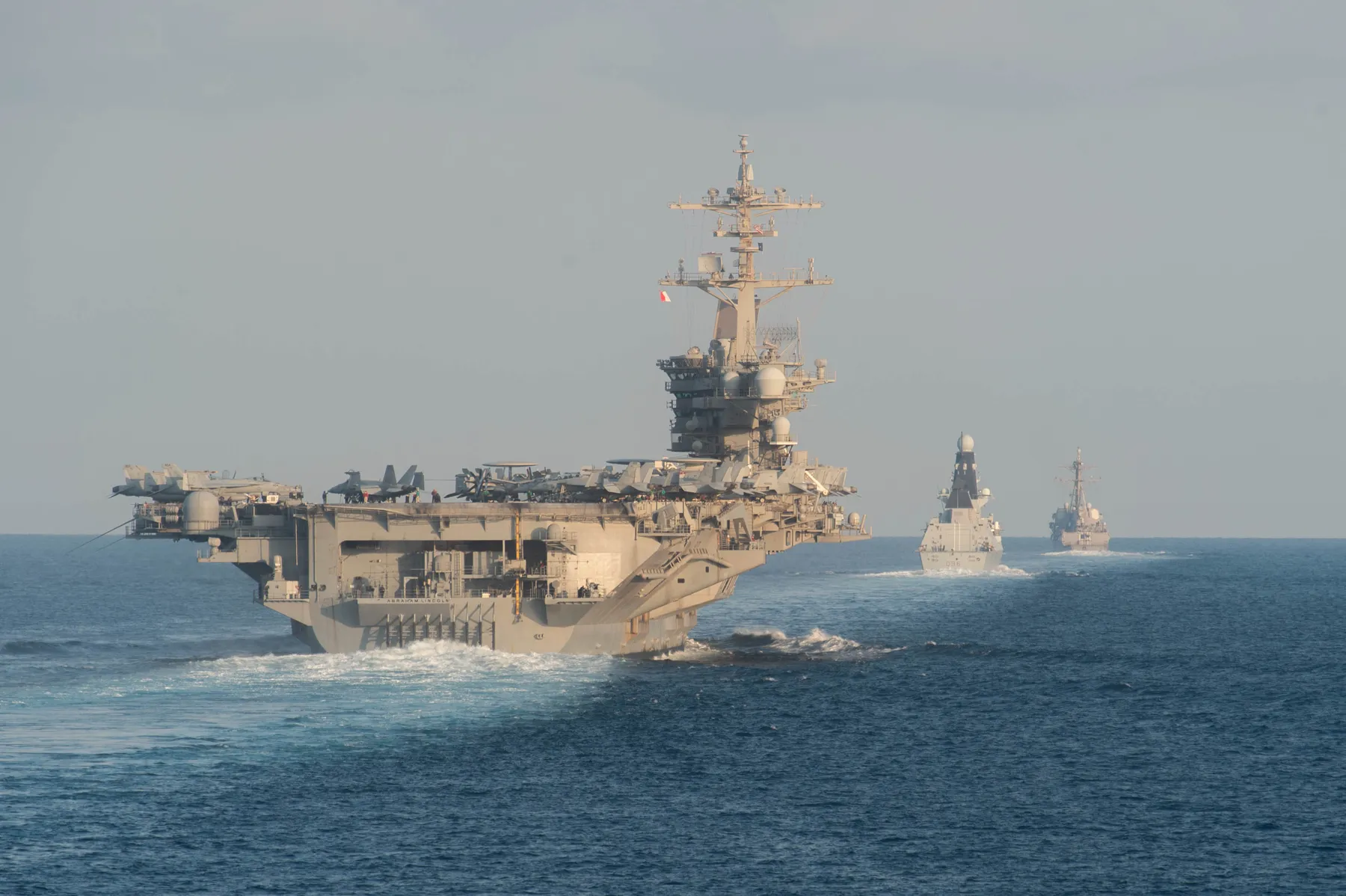
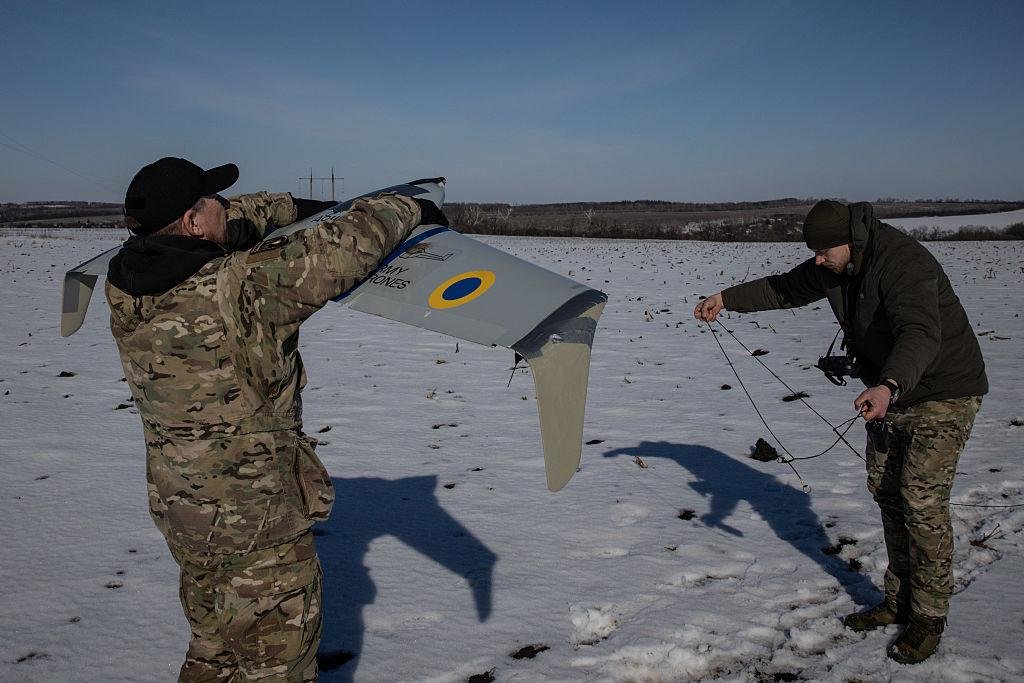
    Iranian media outlet Tasnim News Agency reported that Iran recently deployed a Shahed-129 surveillance drone to monitor the movements of the U.S. aircraft carrier USS Abraham Lincoln. The United States has claimed that it shot down the drone using an F-35C fighter jet.

    An F-35C fighter jet costs an estimated $110 million to $120 million per unit. In contrast, Iran’s Shahed-series drones reportedly cost between $20,000 and $50,000. This sharp disparity in cost has drawn widespread attention from military observers.

    Iran has rejected the U.S. claim, stating that the drone completed its mission and transmitted images and video footage before returning. Tehran insists the operation was part of routine and lawful surveillance activities conducted in international waters.

    Iranian outlets further claimed that another Shahed drone later moved toward the USS Abraham Lincoln. Around the same period, small Iranian gunboats reportedly issued radio warnings to a U.S. oil tanker, ordering it to leave Iranian waters. U.S. naval vessels then escorted the tanker away from the area.

    Together, these incidents have been presented by Iran as a demonstration of its maritime and aerial capabilities, despite relying on relatively inexpensive military assets. Further background on similar encounters can be found on the Daljoog News.

    Why This Matters

    The incidents underscore a key lesson in contemporary conflict: dominance is no longer defined solely by high-end, high-cost weaponry. Affordable and flexible systems can impose real strategic pressure on much larger forces.

    The USS Abraham Lincoln alone is valued at an estimated $12 billion to $16 billion and costs roughly $2.5 million per day to operate. The F-35 and Super Hornet fighter jets aboard the carrier are collectively valued at around $5 billion.

    By comparison, the carrier’s overall value rivals the gross domestic product of smaller nations such as the Maldives, Bhutan, or Fiji. When such an asset must repeatedly respond to low-cost drones and small boats, the financial and strategic strain becomes apparent.

    For U.S. planners, Iran’s approach complicates operations in the Gulf and raises questions about sustainability, escalation risk, and long-term deterrence. More regional security coverage is available on the [Category Page].

    What Analysts or Officials Are Saying

    Iranian officials say their drone deployments and naval patrols are defensive in nature and fully consistent with international law. They argue that monitoring foreign military activity near their borders is a sovereign right.

    U.S. officials have offered limited public comment, but defense analysts note that the United States operates under a low-tolerance risk posture. Even a relatively simple drone can be treated as a serious threat if it approaches high-value assets.

    Some military analysts describe the situation as a textbook example of asymmetric warfare. By forcing the U.S. to respond with costly systems, Iran is effectively increasing the economic burden of American operations without matching U.S. spending.

    Daljoog News Analysis

    The pattern suggests Iran is deliberately applying pressure through controlled, visible actions rather than confrontation. Low-cost drones, small gunboats, and persistent surveillance allow Tehran to signal capability while avoiding outright conflict.

    For the United States, this creates a strategic dilemma. Failing to respond could expose vulnerabilities, while responding decisively comes at a steep financial cost. This imbalance works in Iran’s favor and reflects a broader shift in how power is exercised at sea.

    Daljoog News assesses that these encounters are less about immediate conflict and more about shaping long-term behavior. The growing effectiveness of inexpensive systems may eventually force major powers to rethink how they protect high-value assets.

    What Happens Next

    Surveillance and counter-surveillance activity in the Gulf region is likely to intensify. The United States may seek more cost-efficient ways to counter drones, while Iran is expected to continue showcasing its capabilities.

    The risk of miscalculation remains. Even limited encounters carry the potential for rapid escalation in a crowded and strategically vital waterway.
    Share. Facebook Twitter Pinterest LinkedIn Tumblr Email
    Andrew Rogers
    Andrew Rogers
    • Website
    • Facebook

    Andrew Rogers is a seasoned journalist and news analyst specializing in global affairs, politics, and finance. With a passion for investigative reporting, he delivers accurate, insightful stories that inform and engage readers worldwide.

    Related Posts

    Last US-Russia Nuclear Treaty Expires, Raising Global Alarm

    Last US-Russia Nuclear Treaty Expires, Raising Global Alarm

    February 5, 2026
    Tehran and Washington soften after threats; talks begin

    Tehran and Washington soften after threats; talks begin

    February 4, 2026
    What conditions did Trump give Khamenei?

    What conditions did Trump give Khamenei?

    February 4, 2026

    Comments are closed.

    Our Picks
    Majority Doubt Trump Admin’s Account of Pretti Shooting

    Majority Doubt Trump Admin’s Account of Pretti Shooting

    February 5, 2026
    Japan’s First Woman PM Poised for Landslide Election Win

    Japan’s First Woman PM Poised for Landslide Election Win

    February 5, 2026
    Sen. Justice Secures Millions for West Virginia in Funding Bill

    Sen. Justice Secures Millions for West Virginia in Funding Bill

    February 5, 2026
    Senator Mitch McConnell Hospitalized With Flu-Like Symptoms

    Senator Mitch McConnell Hospitalized With Flu-Like Symptoms

    February 4, 2026
    Stay In Touch
    • Facebook
    • Twitter
    • Instagram
    • YouTube
    Don't Miss
    Nova Scotia wildfire

    Nova Scotia Wildfire Grows Amid Strong Winds Near Annapolis Valley

    World August 24, 2025

    Nova Scotia’s largest wildfire has expanded in size as firefighters continue to battle shifting winds…

    Alpine, Wyoming: Hidden Mountain Town with Adventure

    Alpine, Wyoming: Hidden Mountain Town with Adventure

    November 25, 2025
    Immigration and Customs Enforcement

    Immigration and Customs Enforcement: Key Facts and Role

    June 18, 2025
    NYC Protests Erupt After Ice Chinatown Raid

    NYC Protests Erupt After Ice Chinatown Raid

    October 22, 2025
    About Us

    Daljoog News is a trusted news platform that brings you the latest global and local updates with accuracy and fairness. We are committed to clear and unbiased reporting, covering topics like politics, business, technology, science, and culture and more. Using the latest technology and expert journalism, we provide reliable coverage of important stories. Stay informed, inspired, and empowered with Daljoog News—your source for breaking news, the latest updates, and videos that matter.

    Email Us: info@daljoognews.com

    Our Picks
    Why can't the US dollar's depreciation be stopped?

    Why can’t the US dollar’s depreciation be stopped?

    February 1, 2026
    UN Warns of Potential Bankruptcy Amid Delayed Member Payments

    UN Warns of Potential Bankruptcy Amid Delayed Member Payments

    February 1, 2026
    Fed Set to Hold Rates Amid Global Market Tensions

    Fed Set to Hold Rates Amid Global Market Tensions

    January 25, 2026
    Latest News
    Last US-Russia Nuclear Treaty Expires, Raising Global Alarm

    Last US-Russia Nuclear Treaty Expires, Raising Global Alarm

    February 5, 2026
    Majority Doubt Trump Admin’s Account of Pretti Shooting

    Majority Doubt Trump Admin’s Account of Pretti Shooting

    February 5, 2026
    Australia Charges Teen Over Threats to Israeli President

    Australia Charges Teen Over Threats to Israeli President

    February 5, 2026
    Facebook X (Twitter) RSS YouTube Instagram
    • Home
    • About Us
    • Contact Us
    • Our Authors
    • Privacy Policy
    • Terms & Conditions
    • Sitemap
    © 2026 DaljoogNews.com

    Type above and press Enter to search. Press Esc to cancel.