


Immigration enforcement operations in Minnesota are continuing to disrupt daily life in immigrant communities, with growing evidence that access to medical care and mental health services has been deeply affected.
According to Daljoog News analysis, the announced reduction in federal immigration agents has done little to ease fear in the Twin Cities, where residents report ongoing arrests, sightings of officers, and a persistent sense of uncertainty.
The situation highlights how immigration policy enforcement can ripple far beyond legal outcomes, shaping health decisions, emotional well-being, and trust in public institutions at a critical moment for vulnerable communities.
What Happened?
Federal immigration authorities previously announced a drawdown of Immigration and Customs Enforcement personnel operating in Minnesota. The move was presented as a de-escalation after weeks of heightened enforcement activity.
However, residents and advocacy groups across Minneapolis and St. Paul say the change has not translated into noticeable relief on the ground. Many report continued ICE presence in neighborhoods, outside apartment complexes, and near workplaces.
Community organizations say arrests and detentions have not slowed in a meaningful way. For families already living with precarious legal status, the perception of constant surveillance remains unchanged.
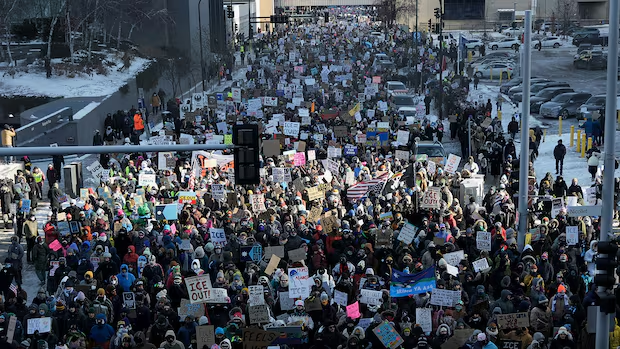
The enforcement push has coincided with a sharp decline in routine activities. Clinics, schools, and community centers report lower attendance as residents avoid leaving their homes unless necessary.
Special correspondent Fred de Sam Lazaro reported that health systems are among the institutions most affected, as fear of encountering federal agents keeps patients away from care.
Why This Matters
Health care providers across the Twin Cities warn that immigration enforcement is now shaping medical outcomes. Patients are skipping appointments, delaying treatment, and avoiding mental health services due to fear of detention.
For individuals managing chronic conditions such as diabetes, heart disease, or asthma, missed checkups and interrupted medication can have serious consequences. Providers say the risk extends beyond immigration status, affecting entire households.
Mental health professionals report rising anxiety, depression, and trauma-related symptoms among both adults and children. The constant stress of potential separation from family members has created a climate of emotional exhaustion.
Public health experts note that fear-driven avoidance undermines preventive care, which can lead to more costly and severe health emergencies later. In communities already facing barriers to access, enforcement pressure compounds existing inequities.
The situation also raises broader concerns about public trust. When residents fear seeking care, it weakens the effectiveness of health systems designed to serve the entire population.
What Analysts or Officials Are Saying
Community health workers say patients routinely ask whether clinics are safe spaces or whether staff might share information with federal authorities. Many providers have been forced to reassure patients repeatedly that medical facilities are not immigration enforcement sites.
Local advocacy groups argue that the federal drawdown announcement created confusion rather than clarity. Without transparent data on enforcement levels, residents rely on word of mouth and social media, which often amplifies fear.
Some state and local officials have emphasized that Minnesota law enforcement agencies do not participate in routine federal immigration enforcement. However, advocates say those distinctions offer little comfort when federal officers operate independently.
Medical professionals stress that enforcement activity near housing complexes and transit routes has an outsized impact. Even unverified sightings can deter patients from attending appointments.
Mental health counselors working with immigrant youth describe children exhibiting sleep disturbances, academic decline, and withdrawal from social activities. They attribute these patterns to chronic stress and fear of family separation.
Federal officials have not released detailed information on arrest numbers following the announced drawdown, leaving communities uncertain about whether enforcement intensity has truly changed.
Daljoog News Analysis
The Minnesota experience underscores a recurring gap between federal messaging and lived reality. Announcing a reduction in enforcement agents may signal restraint, but without a visible change, communities remain on edge.
Health care disruptions reveal the unintended consequences of immigration policy. Enforcement strategies focused narrowly on arrests can destabilize essential systems that depend on trust and accessibility.
The mental health impact is particularly concerning. Prolonged stress can have lasting effects, especially on children, shaping educational outcomes and long-term well-being. These costs rarely appear in policy debates but are borne quietly by families.
There is also a strategic question. When enforcement drives people away from hospitals and clinics, it creates public health risks that affect the broader population. Delayed treatment and untreated mental illness do not stop at immigration status boundaries.
Minnesota’s case suggests that enforcement decisions cannot be evaluated solely by numbers detained or deported. Their influence on health, community stability, and institutional trust must be part of the calculation.
What Happens Next
Advocates are calling for clearer guidance and stronger protections to ensure that medical facilities remain accessible and trusted. Some are urging federal agencies to avoid enforcement actions near health centers, schools, and places of worship.
Health systems are expanding outreach efforts, including telehealth options and mobile clinics, to reach patients who are afraid to travel. Mental health providers are also increasing trauma-informed care resources.
State lawmakers may face pressure to reinforce policies that separate health services from federal immigration enforcement, though their authority remains limited.
For now, uncertainty persists. Until communities see tangible changes in enforcement patterns, fear is likely to continue shaping health decisions across the Twin Cities.