



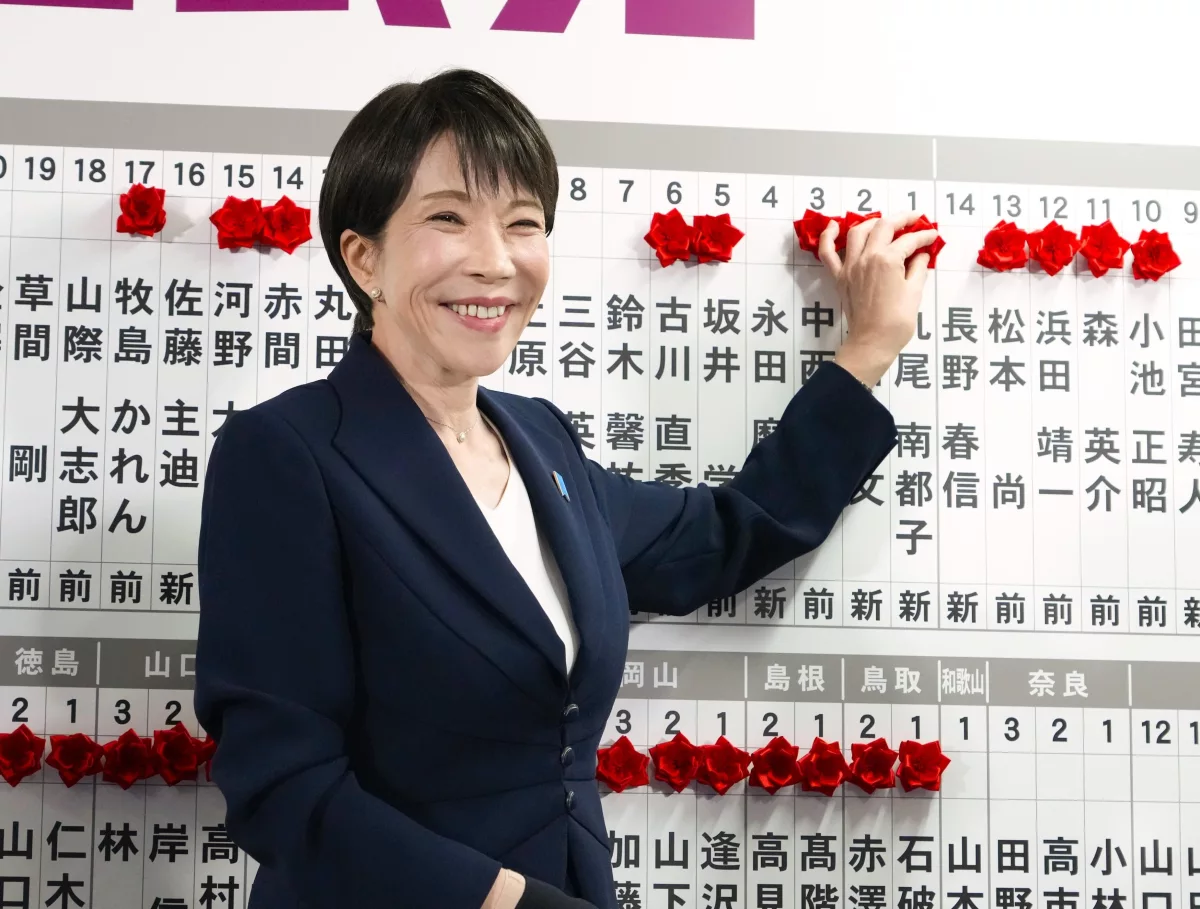
Japanese Prime Minister Sanae Takaichi achieved a historic supermajority in this weekend’s snap elections, marking the first time a post-war Japanese leader has secured such overwhelming parliamentary control. Her win comes amid heightened tensions with China over Taiwan and trade disputes.
According to Daljoog News analysis, the victory reflects a nationalist surge triggered in part by Chinese economic and diplomatic pressure after controversial comments Takaichi made on Taiwan. Her refusal to back down elevated her public profile and mobilized voters.
The outcome positions Takaichi to pursue a transformative agenda, from economic stimulus to a “peace through strength” policy that could include constitutional revision and increased military spending, intensifying regional geopolitical tensions.
What Happened?
Takaichi’s electoral triumph followed months of escalating friction between Japan and China. In November, a Chinese diplomat posted an inflammatory remark on X targeting the prime minister, sparking outrage in Japan. China then implemented economic and diplomatic measures, including advising tourists to avoid Japan, banning certain Japanese seafood imports, and restricting exports of rare earths.
Instead of apologizing, Takaichi doubled down, which resonated with voters and boosted her approval ratings. In the elections, her party secured a supermajority in the Diet, granting her unprecedented legislative freedom to implement her policy priorities.
Takaichi has signaled ambitions to revise Japan’s pacifist constitution and increase defense spending, framing these moves as a counterbalance to China’s growing influence in the region. The victory also reinforces her position as a key figure in Japanese politics, turning her defiance against China into a defining element of her leadership brand.
Why This Matters
The election outcome carries major implications for Northeast Asia and beyond. A strengthened Takaichi government may accelerate Japan’s military modernization and deepen alignment with the United States, heightening tensions with China.
The controversy over Taiwan, combined with Takaichi’s potential visit to the Yasukuni Shrine—a site honoring Japan’s war dead, including convicted war criminals—could provoke a new diplomatic freeze with Beijing. Historical precedent suggests such a move would be seen as a direct affront to China’s narrative of World War II victory, further straining bilateral relations.
For the United States, the development complicates President Donald Trump’s engagement with Chinese leader Xi Jinping. Tokyo’s assertive stance under Takaichi intersects with Washington’s strategic interests in the Asia-Pacific, including arms sales to Taiwan and maintaining a regional security presence.
What Analysts or Officials Are Saying
Observers note that both domestic and international factors fuel Takaichi’s electoral surge. Domestically, she has tapped into widespread frustration with perceived Chinese provocations and amplified nationalist sentiment. Her defiance against Beijing has strengthened her personal brand as a resolute leader.
From a foreign policy perspective, China shows no signs of easing pressure. Chinese officials reiterated calls for Takaichi to retract her Taiwan remarks, signaling continued diplomatic tension. Analysts warn that economic coercion, which backfired politically, could escalate further if Tokyo pursues aggressive trade and defense policies.
Trump’s administration has attempted to balance engagement with China while affirming commitments to allies in Asia. While the president has offered praise for Takaichi on social media and endorsed her leadership, U.S. officials are closely monitoring how the supermajority will influence Japan’s foreign policy stance.
Daljoog News Analysis
Takaichi’s victory underscores the potency of nationalist sentiment in Japanese politics, particularly when fueled by external threats. Her handling of the China backlash converted potential vulnerability into political capital, demonstrating a savvy understanding of public perception.
This supermajority provides Takaichi with the legislative leverage to enact sweeping reforms, from economic stimulus to defense initiatives, without meaningful opposition. The consolidation of power also signals a shift in Japan’s approach to foreign policy, moving from cautious diplomacy to more assertive measures in the Asia-Pacific.
The unfolding situation illustrates a delicate balance: Japan seeks to assert sovereignty and security while managing a relationship with China that remains fraught with historical grievances and contemporary strategic competition. Takaichi’s defiance, coupled with popular support, may embolden future leaders to take similar stances, setting the stage for ongoing regional friction.
What Happens Next
Takaichi is now positioned to advance her agenda with minimal legislative resistance. Key priorities likely include constitutional revision, defense spending increases, and economic initiatives to counter regional pressures.
Diplomatic relations with China will remain tense. Any move to visit the Yasukuni Shrine or further engage in Taiwan-related diplomacy could provoke Beijing and test the limits of international negotiation.
For the United States, maintaining strong ties with Japan under Takaichi will be critical to regional strategy. Upcoming summits and potential trade agreements with China will require careful coordination, as the dynamics between Tokyo, Beijing, and Washington evolve in real time.