


The Department of Homeland Security is on the brink of a second shutdown in two weeks if Congress fails to pass a funding bill by Friday. Lawmakers remain deeply divided, leaving little hope for a last-minute agreement.
According to Daljoog News analysis, the stalemate reflects a broader partisan clash over immigration enforcement, with Democrats demanding sweeping reforms and Republicans rejecting them as unworkable and extreme.
The timing is critical. While other federal agencies have secured funding through September, DHS is running on a temporary allocation that expires at midnight Friday, putting national security operations and staffing at risk.
What Happened?
The standoff stems from Democrats’ insistence on reforming immigration enforcement practices across DHS, including ICE and Customs and Border Protection. Senate filibuster rules give Democrats the power to block any funding measure that doesn’t meet their conditions.
Earlier this month, the same disagreement caused a brief partial government shutdown that lasted four days. Congress reopened the government but left DHS with only short-term funding, effectively setting the stage for a repeat showdown.
Senators and House leaders have made public statements signaling pessimism. Democratic Sen. John Fetterman predicted a shutdown was “absolutely” likely, while House Minority Leader Hakeem Jeffries emphasized that no bill would pass without substantive reforms. Republican leaders, including Sen. John Thune and Rep. Katie Britt, dismissed Democrats’ demands as impractical and radical.
Why This Matters
A DHS shutdown would disrupt more than immigration enforcement. The department oversees multiple agencies critical to national security, including the Coast Guard, FEMA, the TSA, and the Secret Service. Unlike ICE and CBP, which received additional funding last summer, these agencies lack financial buffers and would be forced to furlough employees or delay payments.
Past shutdowns show the potential impact. During the 43-day federal shutdown last year, DHS designated over 90% of employees as essential, allowing operations to continue without pay. A repeat scenario could strain staffing at airports, emergency management operations, and other security services, creating both logistical and safety challenges.
What Democrats Want
Democratic leaders released a list of ten reforms they say must be included in any DHS funding bill. Central demands include requiring judicial warrants for home or business searches by immigration agents, banning anonymous operations by requiring officers to display identification, ending racial profiling in arrests, and protecting sensitive locations such as schools and churches from raids.
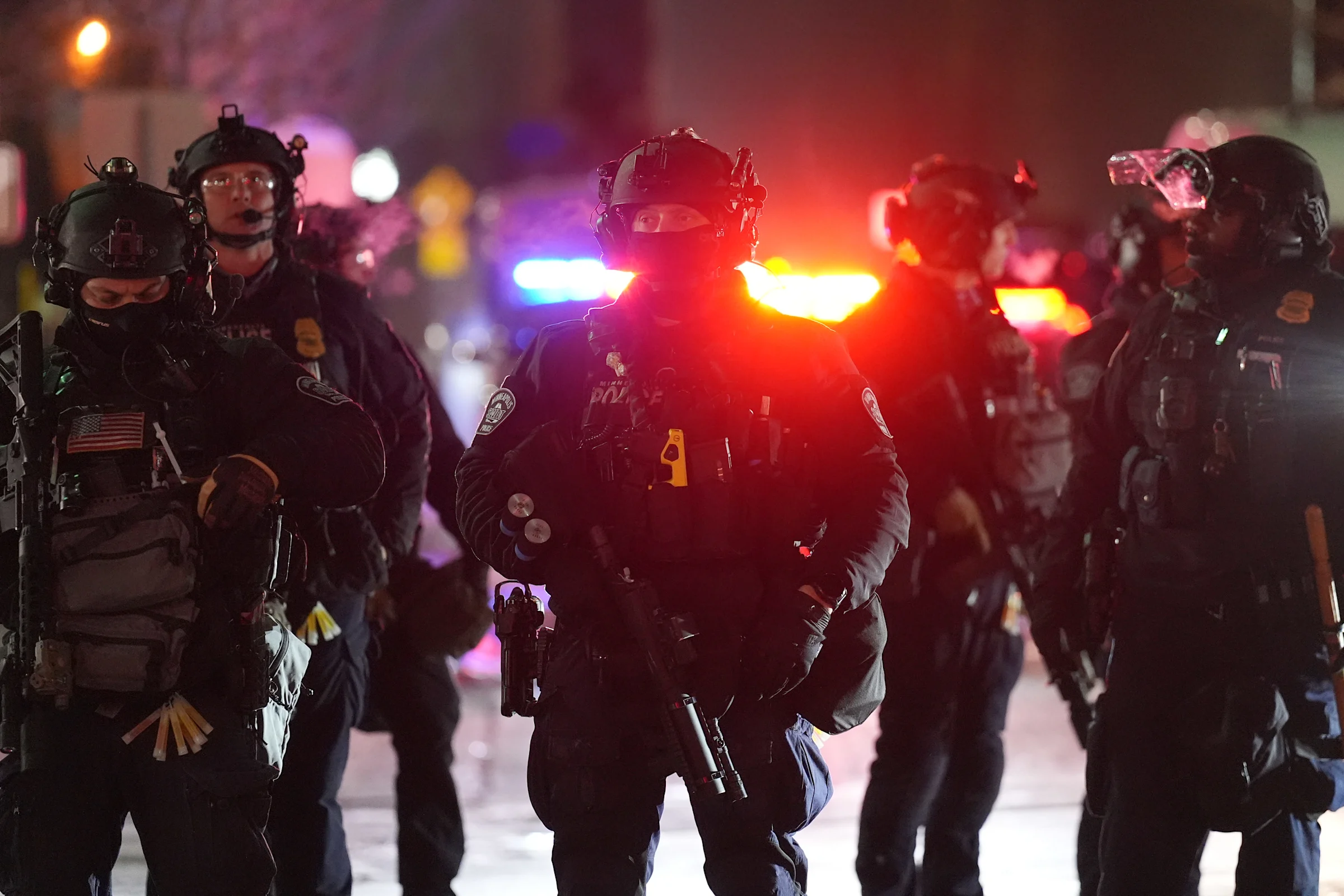
These proposals are designed to curb what Democrats describe as aggressive or illegal tactics implemented under the Trump administration. Lawmakers cite incidents such as deadly shootings by federal immigration agents in Minneapolis as evidence of the need for oversight.
What Republicans Say
Republicans argue that many of the proposed reforms are unworkable. House Speaker Mike Johnson questioned the feasibility of requiring judicial warrants for routine operations, citing limited judicial capacity. ICE officials maintain that covering officers’ faces protects them from threats and harassment, a point echoed by GOP leaders.
Some Republicans are advancing even stricter immigration measures, including punishing “sanctuary cities” and introducing sweeping voter ID legislation. Sen. Thune and other GOP lawmakers have called Democrats’ proposals a “nonstarter” and accused them of political posturing.
Daljoog News Analysis
The DHS funding standoff illustrates how immigration has become a central flashpoint in U.S. politics, with both parties using funding votes to assert control over policy priorities. While Democrats frame reforms as necessary protections for civil liberties, Republicans emphasize operational flexibility and officer safety.
The current stalemate highlights the fragility of short-term funding strategies. DHS remains operational for now, but repeated temporary measures create uncertainty that complicates planning and can undermine public confidence in essential security services.
The situation also underscores the strategic leverage Democrats hold in the Senate. With filibuster rules in place, even a symbolic stand can delay appropriations and force negotiations under extreme pressure.
What Happens Next
Congress has only a few days to resolve the impasse. If no agreement is reached, DHS will begin a partial shutdown at midnight Friday, affecting employees, operational readiness, and national security infrastructure.
The broader government will remain open, but disruptions to agencies without financial backstops could ripple across transportation, emergency management, and law enforcement services. Lawmakers may continue high-stakes negotiations behind the scenes, but with both sides entrenched, the risk of a second DHS shutdown in as many weeks remains significant.