

Russia’s war against Ukraine has long been financed by oil and gas exports. But as the fourth anniversary of the invasion nears, revenue from these exports has fallen to levels not seen since the COVID-19 pandemic.
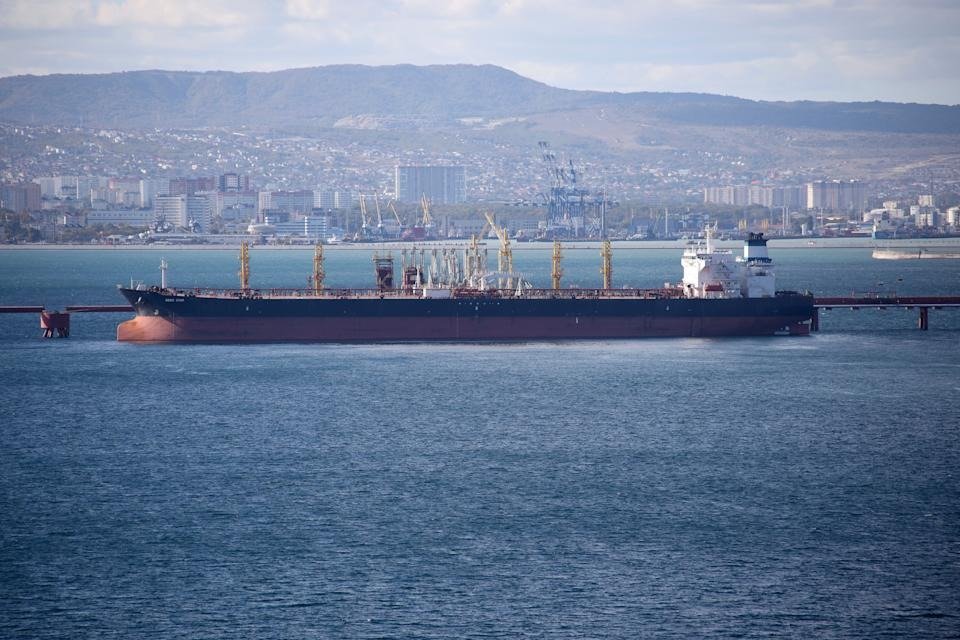
According to Daljoog News analysis, a combination of U.S. and EU sanctions, trade pressure on India, and enforcement against sanctions-evading tankers has sharply reduced the Kremlin’s energy earnings. The drop is forcing President Vladimir Putin to rely on domestic borrowing and tax hikes to keep the state budget afloat.
The decline comes amid broader economic pressures, with growth slowing and inflation proving stubborn—putting Russia’s war economy under fresh strain.
What Happened?
In January, Russia collected 393 billion rubles ($5.1 billion) in revenue from oil and gas taxes, down from 587 billion ($7.6 billion) in December and 1.12 trillion ($14.5 billion) in January 2025, according to German Institute for International and Security Affairs expert Janis Kluge.
Sanctions targeting Russia’s two largest oil companies, Rosneft and Lukoil, have made buyers wary of using U.S. banks, while the EU banned fuel made from Russian crude on Jan. 21. Additional restrictions on shipping and tanker operations aim to cut Russia off from European markets entirely.
Meanwhile, U.S. President Donald Trump applied tariff pressure on India, seeking to reduce Russian oil imports. Russian shipments to India have fallen from 2 million barrels per day in October to 1.3 million barrels in December. Shadow fleets of tankers attempting to bypass sanctions are increasingly targeted by Ukrainian, U.S., U.K., and EU authorities.
Why This Matters
The combination of sanctions, price discounts, and logistical hurdles has forced Russia to sell oil at steep discounts—Urals crude traded around $38 per barrel in December, compared to $62.50 for Brent crude. Because state taxes on oil are price-based, this sharply reduces government revenue.
Daljoog News analysis shows the ripple effects extend beyond the Kremlin’s budget. Tankers filled with unsold oil, increased shipping costs, and declining tax receipts threaten Russia’s fiscal stability. Lower growth—GDP rose just 0.1% in Q3 2025—compounds the strain.
What Analysts Are Saying
Mark Esposito of S&P Global Energy notes that sanctions are a “one-two punch,” hitting both crude flows and refined product exports. Kluge warns that while the Kremlin is unlikely to seek peace immediately, dwindling resources may lead to slower, more targeted military operations to manage costs.
Daljoog News Analysis
Russia’s response—raising VAT from 20% to 22%, increasing taxes on cars, alcohol, and cigarettes, and borrowing domestically—temporarily fills gaps but risks stalling growth and worsening inflation. The state’s wealth fund provides a buffer, but these measures are not sustainable long-term.
The situation highlights the effectiveness of coordinated international pressure: sanctions and trade restrictions can directly undermine revenues critical for military operations, forcing economic and strategic recalibration.
What Happens Next
Russia may slow war operations or focus on limited fronts if sustaining costs becomes untenable. Oil exports to India and other non-Western buyers could continue, but full disengagement is unlikely in the near term. Analysts expect continued pressure on Russian oil shipping, stricter enforcement of sanctions, and growing financial stress in Moscow over the next year.