


The United States has issued new guidance urging its commercial vessels to avoid Iranian territorial waters. The directive came Monday from the U.S. Maritime Administration amid rising tensions between Washington and Tehran.
According to Daljoog News analysis, the advisory aims to safeguard maritime navigation while minimizing potential conflict in a region where U.S. and Iranian forces operate in proximity. This move follows ongoing diplomatic and military considerations in the Gulf and Arabian Sea.
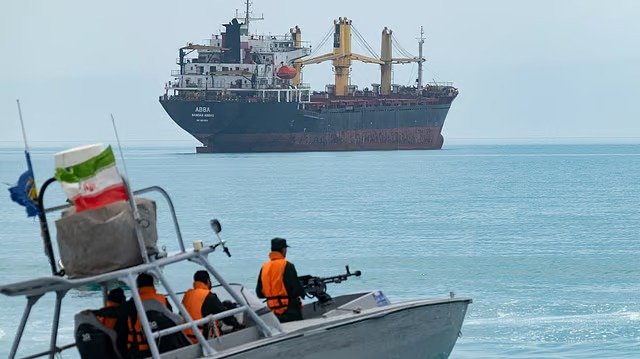
The guidance instructs U.S.-flagged commercial ships to stay as far away as possible from Iranian waters and, when traveling eastward, to pass near Omani territorial waters instead. Captains are explicitly advised not to allow Iranian personnel onboard their vessels.
What Happened?
On Monday, the U.S. Maritime Administration issued guidance for American commercial ships navigating near Iranian waters. The recommendation comes amid heightened tensions in the region and a continued U.S. naval presence in nearby seas.
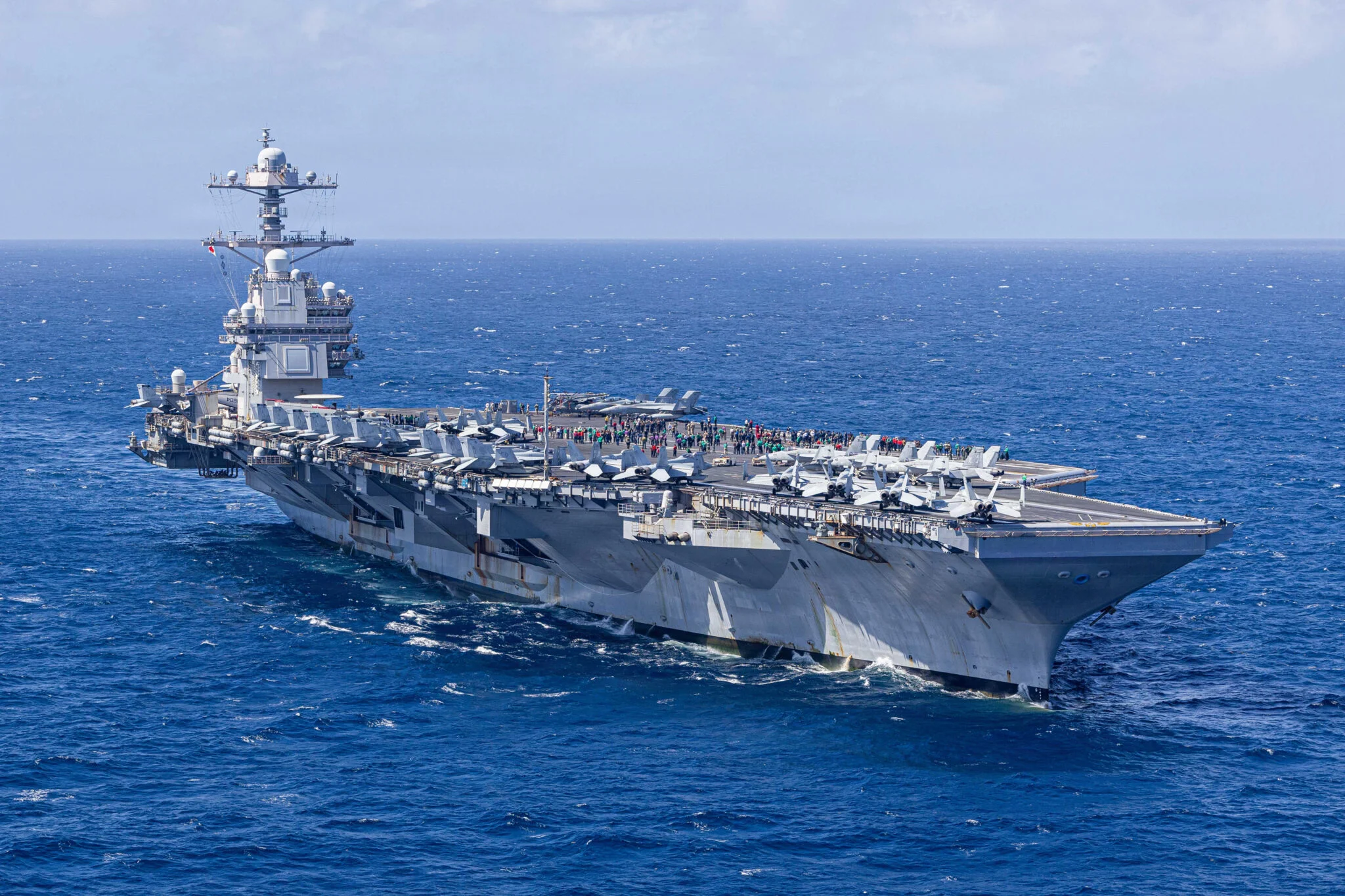
Currently, the U.S. Navy’s aircraft carrier Abraham Lincoln remains deployed in the Arabian Sea. The directive aligns with broader U.S. efforts to ensure the security of commercial traffic while maintaining operational readiness for potential incidents.
Why This Matters
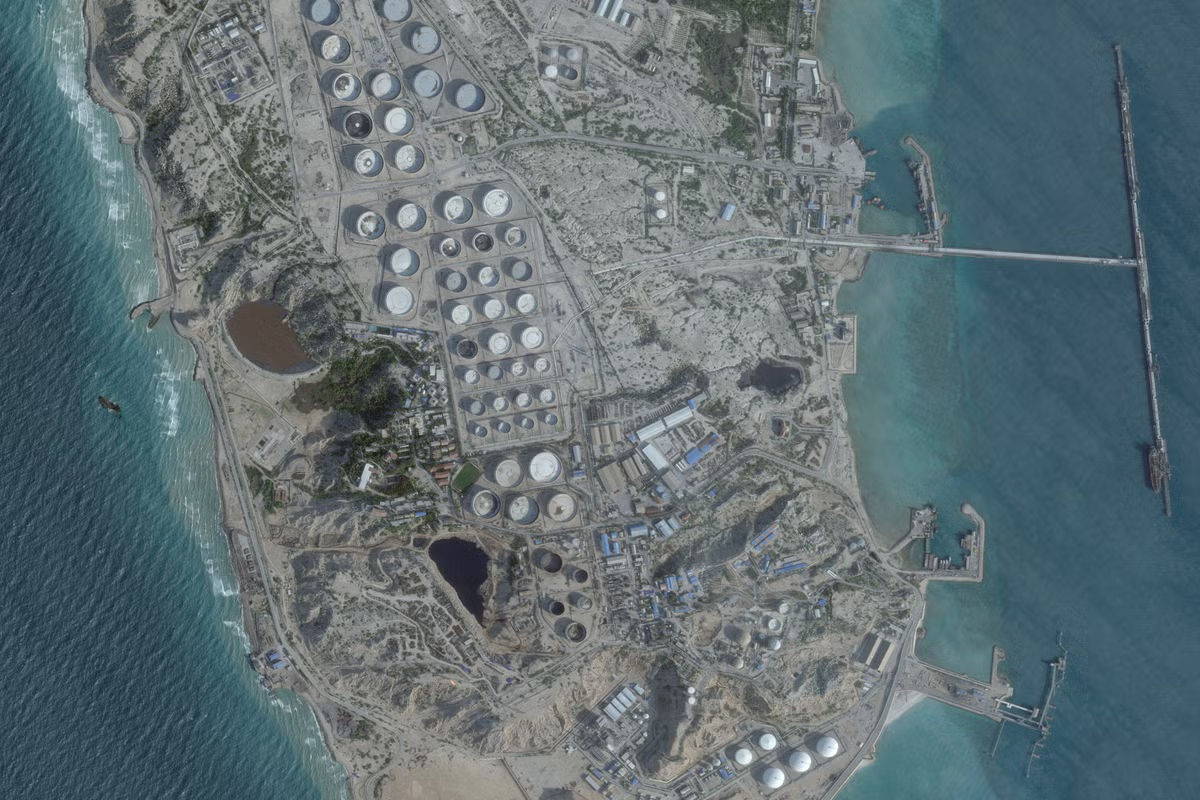
Iranian waters are strategically significant for international shipping routes, particularly for oil and other trade passing through the Gulf region. By avoiding these waters, U.S. commercial vessels reduce the risk of confrontation and protect crew safety.
The advisory also reflects Washington’s intent to manage tensions without direct military escalation, providing a clear operational path for vessels amid a region that has previously seen confrontations between U.S. and Iranian forces.
What Analysts or Officials Are Saying
Security experts view the directive as a precautionary measure aimed at reducing risk. Analysts note that even minor incidents in the Gulf or Arabian Sea can quickly escalate into diplomatic or military crises.
Regional observers say routing ships near Omani waters reflects U.S. strategic planning to avoid Iran while maintaining secure passage for commercial traffic. This also sends a subtle signal to Tehran regarding U.S. vigilance and operational caution.
Daljoog News Analysis
The advisory underscores the complexity of maritime security in the Gulf region. Steering clear of Iranian waters is not only a safety measure but also a diplomatic signal.
From a strategic perspective, the U.S. is protecting commercial shipping while signaling to Iran that any interference or aggressive action would be closely monitored. Although this guidance mitigates immediate risks, the region remains volatile, and long-term stability depends on ongoing diplomacy.
What Happens Next
U.S. commercial vessels will follow the recommended routes in the coming weeks, with maritime authorities monitoring compliance and readiness for potential incidents.
While diplomatic engagement between Washington and Tehran continues, the advisory helps maintain secure shipping lanes and prevents unexpected confrontations. Regular coordination and adherence to safety protocols will remain essential for sustaining maritime traffic in the region.