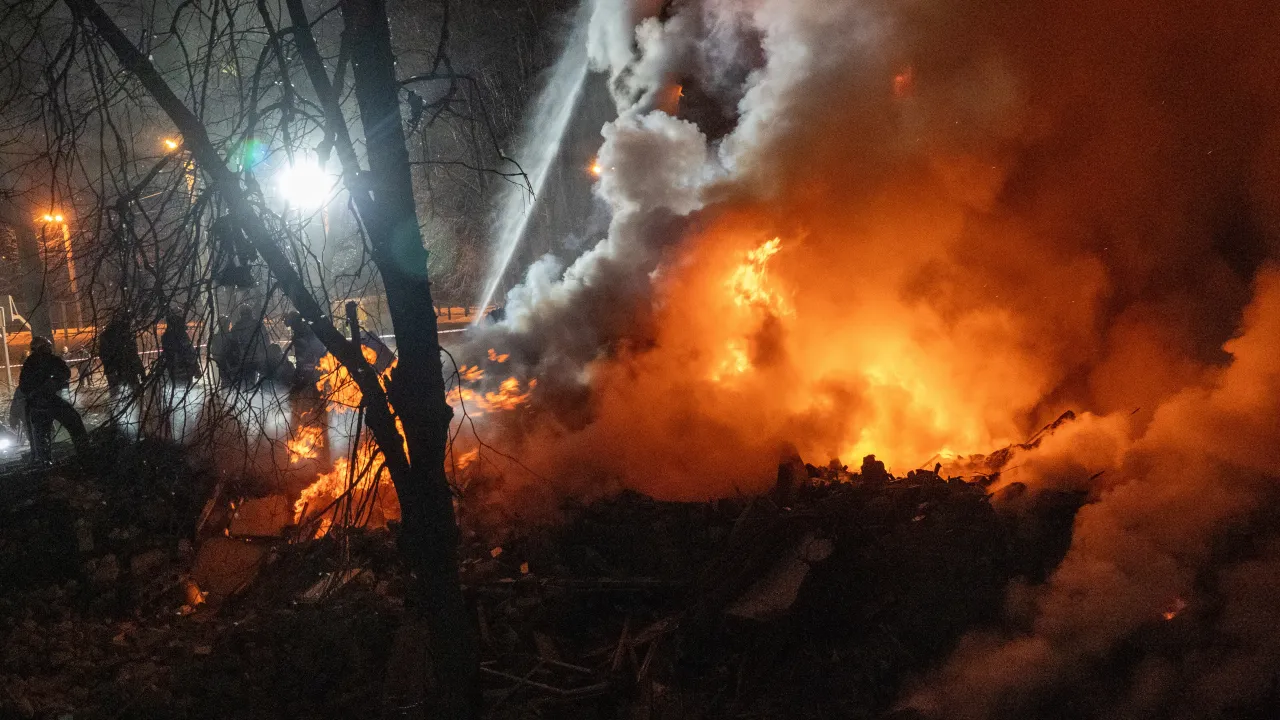



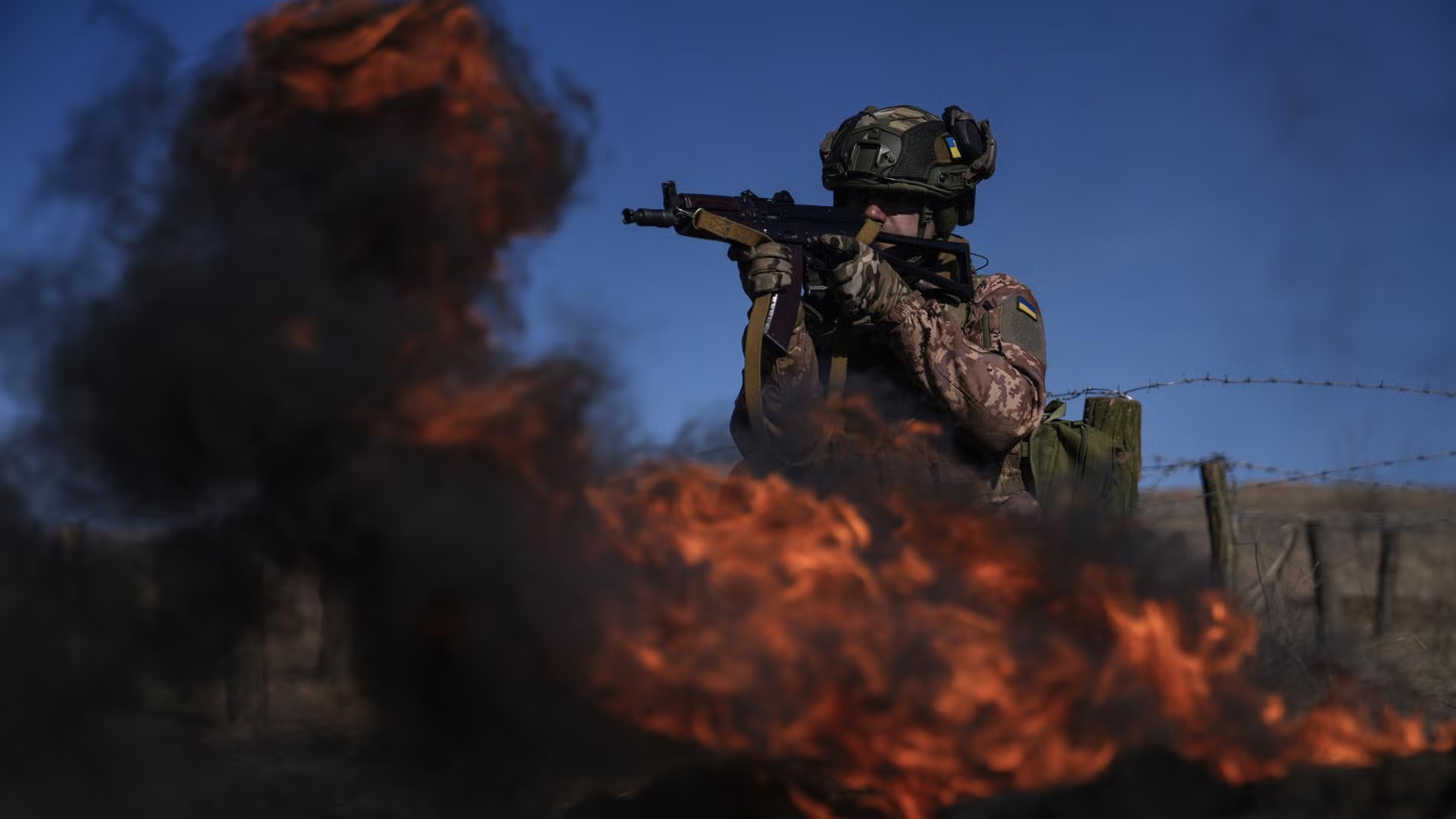
The Russia-Ukraine war has now completed four years, having started on February 24, 2022. Several ceasefire proposals emerged during this time, but none were fully implemented. On the ground, the conflict has caused massive casualties, destruction, and the displacement of millions of people.
According to Daljoog News analysis, both sides have tended to exaggerate enemy losses, yet the overall picture is devastating. International reports suggest that roughly two million people have been affected by death or injury during these four years.
This prolonged conflict has not only reshaped territorial control but has also profoundly impacted military spending, international assistance, and economic realities, creating long-term humanitarian and financial pressures.
What Happened?
According to Ukraine’s General Staff, just in the past year alone, 418,000 Russian soldiers were killed, bringing total Russian losses to over 1.2 million. CSIS reports indicate that from February 24, 2022, to December 2025, Russian fatalities are around 325,000, while total Ukrainian losses may reach 600,000, including roughly 140,000 deaths.
Territorially, in March 2022, Russia controlled 26 percent of Ukraine, including Crimea (occupied since 2014) and large parts of Luhansk and Donetsk. By the following month, Ukrainian forces had recaptured Kyiv, Kharkiv, Sumy, and Chernihiv, reducing Russian control to 20 percent. In August-September 2022, Ukrainian troops pushed Russian forces back in Kharkiv and Kherson.
By December 2025, Russia controlled 19.3 percent of Ukrainian territory, approximately 116,000 square kilometers. After nearly three years of stagnation, the conflict saw renewed military movements and territorial shifts.
Why This Matters
Military spending has increased significantly for both countries. According to the Stockholm International Peace Research Institute, Russia’s spending rose from $66 billion in 2021 to $149 billion in 2025. Ukraine’s defense budget also rose from $6.9 billion in 2021 to $71 billion in 2025.
The European Union and the United States have collectively provided over $300 billion in assistance since 2022. In 2025, U.S. support was largely suspended, while Europe contributed $70 billion to fill the gap. About $300 billion of Russia’s central bank reserves are frozen in Western institutions, including $230 billion inaccessible in Belgium.
What Analysts or Officials Are Saying
Experts note that this four-year war has deeply affected international politics, the economy, and humanitarian conditions. While each side inflates the enemy’s losses, both Russia and Ukraine have suffered enormous human casualties. Territorial changes and Ukraine’s defensive efforts have further complicated the overall landscape.
Daljoog News Analysis
The prolonged conflict has profoundly impacted global politics, economics, and humanitarian realities. Russian and Ukrainian losses, international aid, and the lack of stability will have long-term consequences. Analysts suggest the war’s extended effects will influence Ukraine’s reconstruction, Russia’s economic adjustments, and Western strategic planning.
What Happens Next
In the coming years, territorial control, political stability, and economic recovery will remain the main challenges. The extent of international assistance and policy decisions will shape the future of both Ukraine and Russia, as well as their effects on global markets.
Monitoring military spending, humanitarian aid, and diplomatic activity will be crucial to understanding the long-term impacts of the war and guiding future peace processes.