


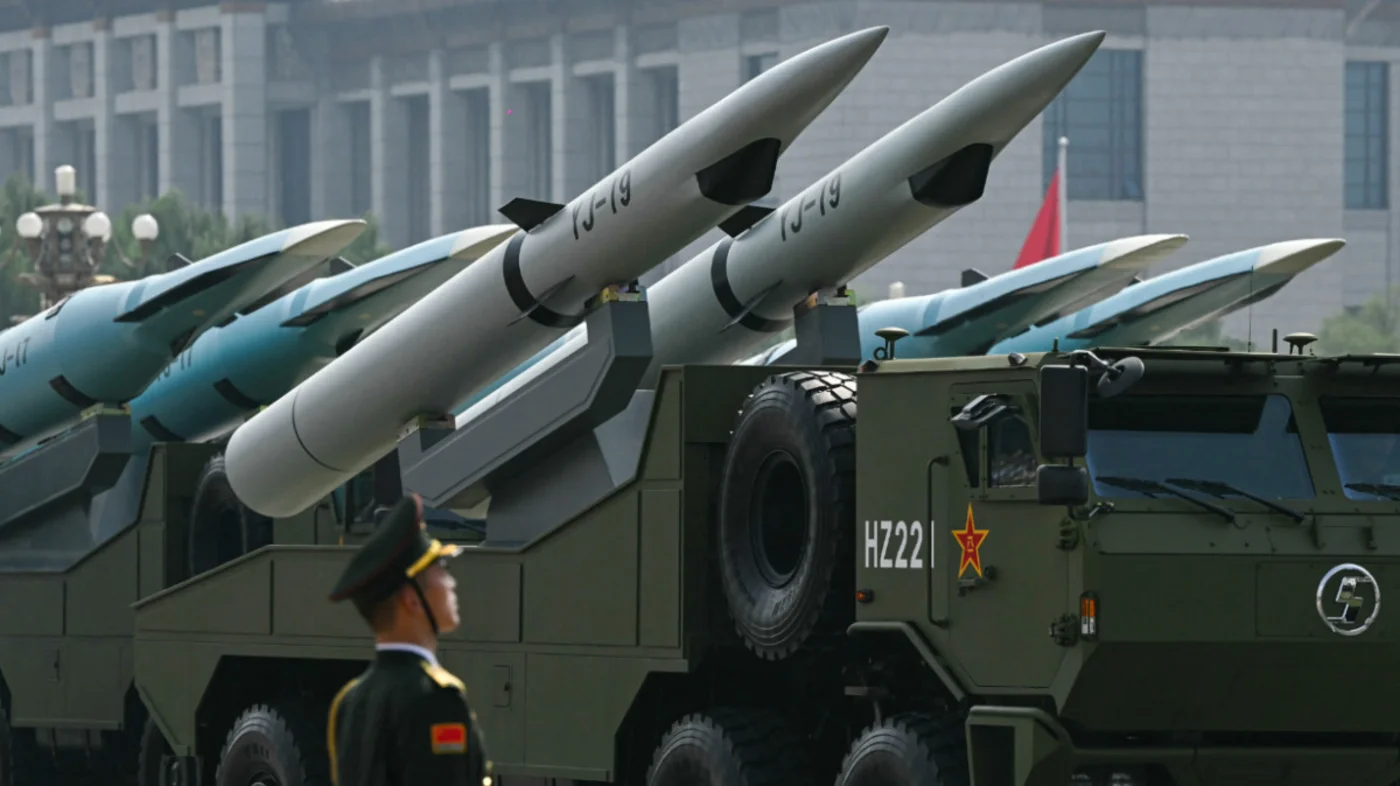
Iran is reportedly in the final stages of acquiring advanced anti-ship cruise missiles from China, a move expected to significantly enhance the country’s naval strike capabilities. The deal involves the CM-302 supersonic cruise missile, designed to target warships and other naval assets.
According to Daljoog News analysis, this procurement signals Tehran’s intent to modernize its maritime forces amid ongoing regional tensions, particularly in the Persian Gulf and Strait of Hormuz, while balancing diplomatic overtures regarding its nuclear program.
The announcement comes alongside reports of extensive Iranian military drills along the country’s southern coastline, highlighting a combination of conventional and drone-based operations.
What Happened?
Sources familiar with the negotiations told Reuters that Iran is finalizing a purchase of Chinese-made CM-302 supersonic anti-ship cruise missiles. Military analysts note that these weapons are capable of engaging large naval vessels at long ranges with high precision, which could dramatically increase Iran’s ability to project power in regional waters.
Iran’s Islamic Revolutionary Guard Corps (IRGC) conducted large-scale exercises ahead of the deal, involving missile launches, drone operations, artillery, and amphibious exercises across the southern coast. State television reported that drills were also carried out in other regions to test readiness and coordination.
Officials described the negotiations as being in their final phase, indicating that both countries are working toward formalizing the missile transfer soon.
Why This Matters
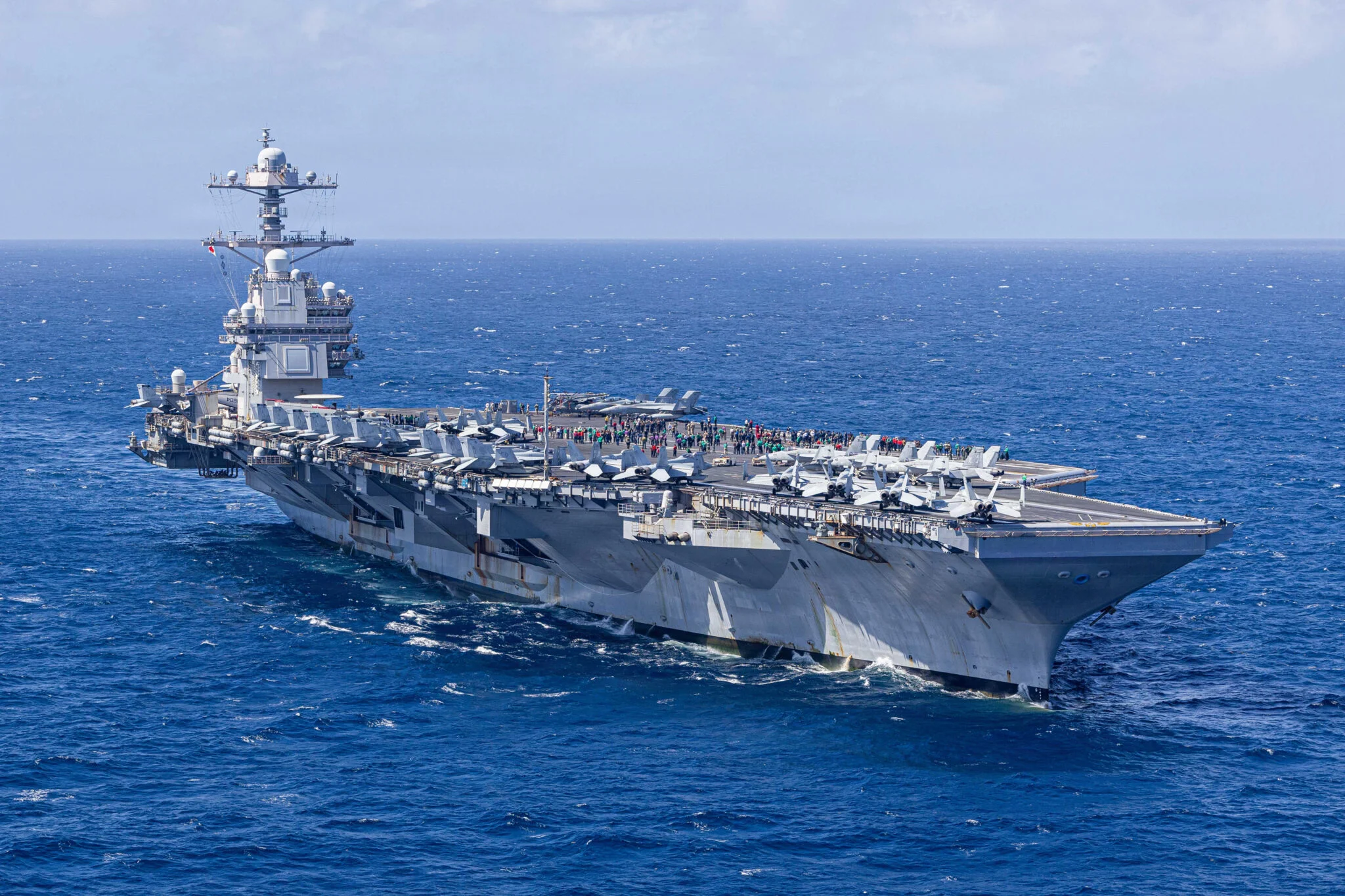
Acquiring CM-302 missiles would give Iran a substantial boost in anti-ship warfare, potentially altering the strategic balance in the Persian Gulf. The missiles’ supersonic speed and precision targeting increase the threat to foreign warships operating near Iranian waters, complicating naval operations for the United States and its allies.
The development also occurs amid ongoing U.S.-Iran nuclear diplomacy. Iranian Foreign Minister Hossein Takht-Ravanchi has emphasized Tehran’s desire to reach a nuclear agreement with Washington quickly, signaling a dual approach of advancing military capabilities while pursuing diplomatic engagement.
What Analysts or Officials Are Saying
Defense experts say the CM-302 is a highly capable platform that could extend Iran’s ability to deter naval incursions and challenge adversary ships in regional waters. They warn that even limited deployment could complicate military planning for the U.S. Navy and regional partners.
Iranian officials stress that the missile acquisition is part of defensive planning, even as senior advisors in Washington previously expressed skepticism and threatened potential military responses to Iran’s maritime capabilities. Meanwhile, President Donald Trump has dismissed media reports about imminent U.S. strikes on Iran as false.
Analysts note that Tehran’s simultaneous engagement in high-profile military drills and nuclear negotiations represents a strategic balancing act: showing strength while signaling willingness to compromise diplomatically.
Daljoog News Analysis
Daljoog News observes that Iran’s missile acquisition could reshape naval dynamics in the Gulf and signal a more assertive maritime posture. The deal underscores the role of China as a supplier of advanced military technology to Iran, strengthening Tehran’s regional deterrence.
The timing is also notable. By accelerating missile procurement while entering negotiations in Geneva, Iran appears to be leveraging its military progress as a bargaining chip in nuclear discussions. This dual approach may pressure Washington while demonstrating Iran’s operational capabilities to regional actors.
What Happens Next
If finalized, delivery of the CM-302 missiles could take months, during which Iran will likely continue extensive military drills to integrate new systems and refine coastal defense strategies. Regional navies, particularly those of the U.S., Saudi Arabia, and other Gulf states, are expected to monitor Iranian deployments closely.
Diplomatic observers will also watch the Geneva talks, as Iran balances its military modernization with ongoing efforts to resume or finalize nuclear agreements with the United States.