

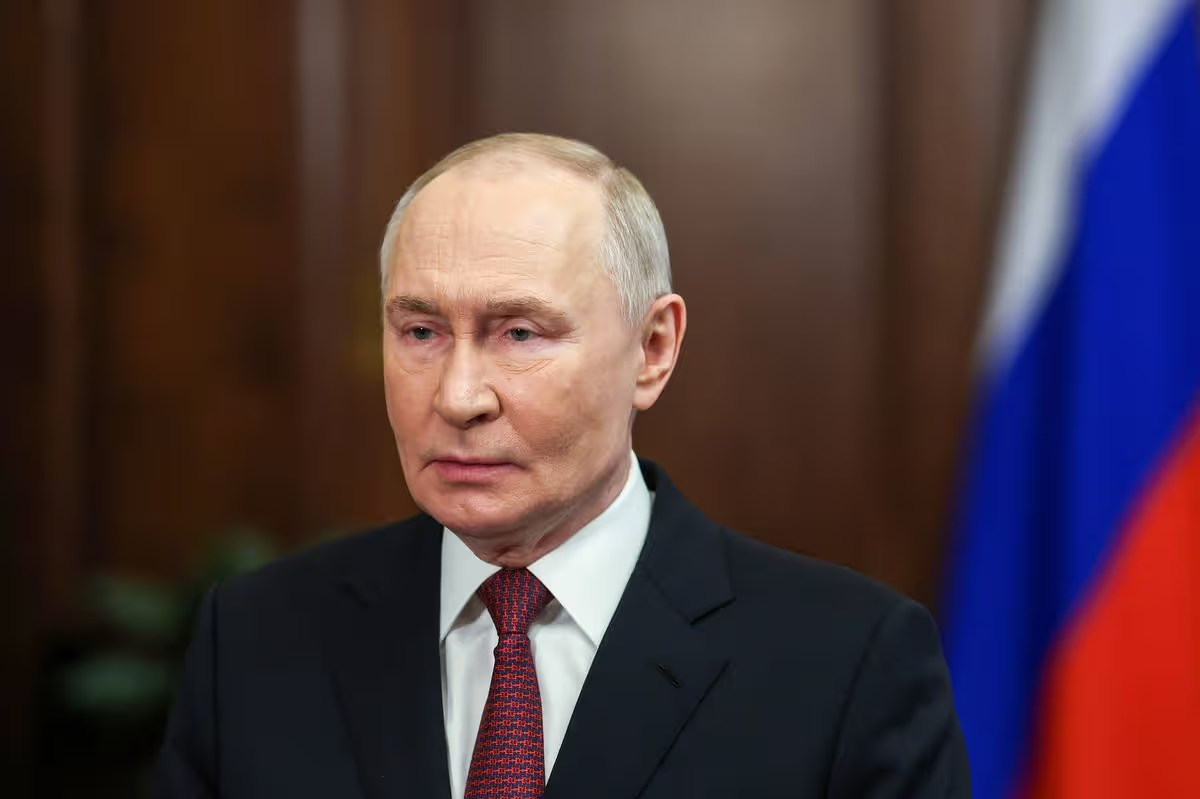
Russia has issued a stark warning that the escalating conflict between Iran, Israel, and the United States could spiral into a global war if tensions continue unchecked. The statement comes after joint US-Israeli strikes in Tehran killed senior Iranian leadership and triggered retaliatory missile attacks across the Gulf region.
The crisis has already widened beyond Iran’s borders. Missile launches and drone activity have affected neighboring countries, raising fears that a miscalculation could transform a regional confrontation into a broader international conflict.
According to Daljoog News analysis, Moscow’s latest comments reflect both concern over instability and an effort to position itself strategically in a rapidly shifting geopolitical landscape.
What Happened?
Following the assassination of Iran’s Supreme Leader Ali Khamenei in coordinated US-Israeli strikes, Tehran launched missile retaliation targeting Israeli positions and US-linked interests in the Gulf.
The exchange of attacks has heightened military alert levels across the Middle East. Regional governments are reinforcing air defenses, while global energy markets monitor potential disruptions.
Amid this tension, Dmitry Medvedev, deputy chairman of Russia’s Security Council and a close ally of Vladimir Putin, publicly addressed the possibility of a wider war.
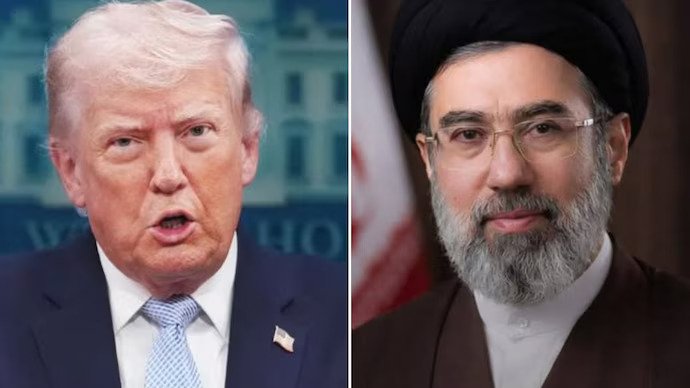
Medvedev stated that World War III has not begun, but he warned that continued aggressive policies by US President Donald Trump could push the situation toward global confrontation.
His remarks quickly gained international attention, adding to diplomatic strain between Moscow and Washington.
Why This Matters
When senior Russian officials reference the possibility of World War III, markets and policymakers listen.
Russia remains a nuclear power and a permanent member of the United Nations Security Council. Its statements carry strategic weight, even if they are partly rhetorical.
The Middle East conflict already involves multiple actors with overlapping alliances. The United States backs Israel. Iran maintains regional influence through allied groups. Gulf states host US forces while managing delicate ties with Tehran.
If major powers become directly involved, escalation pathways multiply. Military engagement between US and Russian forces, even indirectly, would mark a dramatic shift in global security dynamics.
The risk does not lie only in deliberate escalation. It also lies in misinterpretation, miscalculation, or accidental confrontation in crowded airspace and maritime corridors.
What Analysts or Officials Are Saying
Security analysts describe Medvedev’s statement as a warning shot rather than a declaration of intent.
Russian officials have criticized US and Israeli actions in Iran as destabilizing and unlawful. However, Moscow has not signaled plans for direct military intervention.
Western observers note that Russia remains heavily engaged in Ukraine, limiting its capacity and appetite for additional fronts.
Diplomatic experts argue that Moscow may be using strong language to increase pressure on Washington while reinforcing its image as a counterweight to US power.
Meanwhile, US officials have emphasized that their focus remains on neutralizing Iran’s missile capabilities and protecting American interests in the region.
Regional analysts warn that if missile exchanges intensify or if the Strait of Hormuz faces prolonged disruption, international actors could feel compelled to intervene more directly.
Daljoog News Analysis
Russia’s reference to World War III serves multiple purposes.
First, it signals disapproval of US military actions without committing to escalation. Second, it reinforces Moscow’s narrative that Washington’s policies destabilize global order. Third, it positions Russia as a voice of caution, even as it pursues its own strategic goals elsewhere.
The language is dramatic, but the underlying calculation appears measured.
Moscow understands the catastrophic consequences of direct war between nuclear-armed powers. Its warning likely aims to deter further US escalation rather than to prepare for its own intervention.
At the same time, the broader environment remains fragile. The combination of leadership assassinations, missile strikes, and threats to energy routes increases unpredictability.
Daljoog News assesses that the probability of a deliberate World War III remains low. However, the probability of prolonged regional instability remains high.
What Happens Next
Diplomatic pressure will likely intensify at the United Nations and through bilateral channels.
Russia may continue issuing sharp statements while avoiding operational involvement. The United States is expected to maintain military readiness without signaling broader war plans.
The key variable remains escalation control. If missile exchanges stay limited and communication channels remain open, the crisis may stabilize.
If not, the risk of unintended confrontation between major powers could grow.