

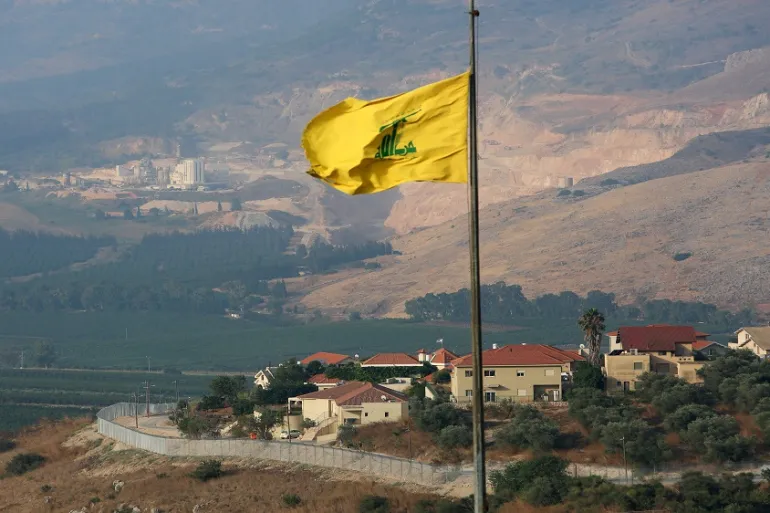
South Lebanon crisis escalates as Israeli military operations intensify across the southern regions of Lebanon, with growing reports of expanded ground control and widespread displacement affecting border communities near Israel.
According to Daljoog News analysis, the South Lebanon crisis is increasingly moving beyond temporary battlefield developments and toward a deeper territorial and strategic transformation with long-term regional implications.
The escalation unfolds amid renewed debate over the so-called “Greater Israel” concept, a controversial idea that continues to shape political discourse and heighten tensions across the Middle East.
What Happened?
South Lebanon crisis escalates following expanded Israeli military operations in southern Lebanon, where reports suggest control or active presence across an estimated 1,500 square kilometers of territory.
The campaign, which began in March under the stated objective of establishing a security buffer zone, has evolved into what observers describe as a sustained military deployment rather than a short-term operation.
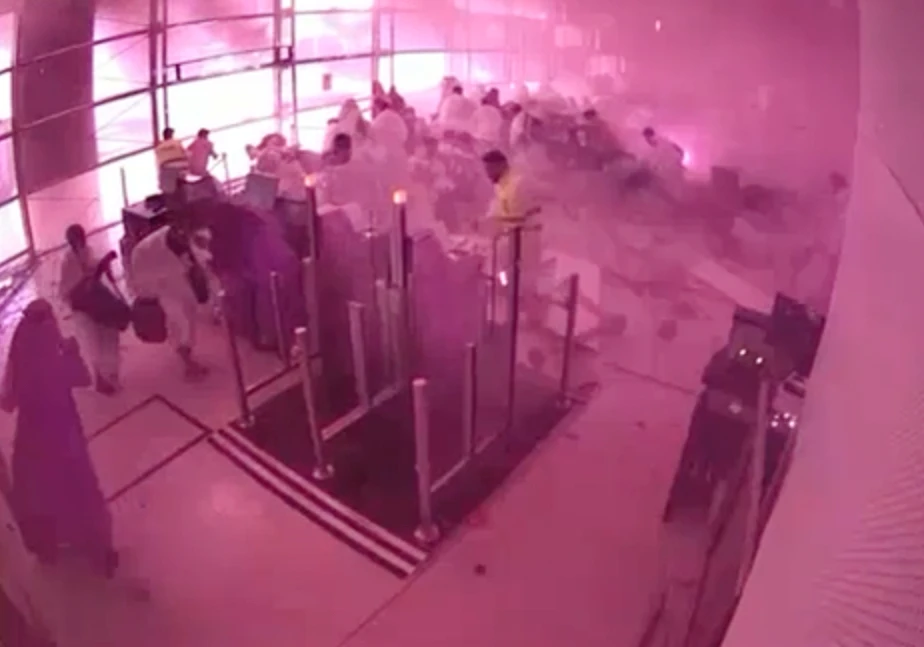
Large-scale civilian displacement has been reported, with multiple villages in southern districts left largely abandoned as residents flee ongoing strikes and instability. Infrastructure damage has further worsened conditions on the ground.
Military actions in the region have drawn comparisons to earlier large-scale operations in Gaza due to reported destruction patterns and population movement.
Why This Matters
South Lebanon crisis escalates at a moment when regional borders and sovereignty are already under pressure from multiple conflicts across the Middle East.
The situation raises concerns that temporary security zones could become de facto long-term territorial arrangements, altering the balance of control in southern Lebanon.
Humanitarian impacts are also significant, with large-scale displacement placing additional strain on Lebanon’s already fragile state institutions and limited resources.
What Analysts or Officials Are Saying
Analysts note that the South Lebanon crisis may reflect a shift from conventional conflict toward structural territorial control. They point to the scale of displacement and infrastructure damage as key indicators of a deeper strategy.
Some interpretations link the developments to broader ideological frameworks such as the “Greater Israel” concept, which has historically been associated with expanded territorial interpretations based on religious and historical narratives.
Others caution against drawing definitive conclusions, emphasizing that security concerns and border tensions remain the immediate drivers of military activity.
Comparisons are being made with the 1982 Lebanon conflict, though experts highlight that current operations appear more focused on sustained ground presence rather than political realignment through local alliances.
Daljoog News Analysis
South Lebanon crisis escalates in a way that reflects a broader transformation in how regional conflicts are being conducted. Instead of short-term confrontations, there is a growing pattern of prolonged territorial engagement supported by military infrastructure.
The weakening of state authority in Lebanon has created conditions where external military presence can expand with limited resistance, raising concerns about long-term sovereignty erosion.
At the same time, the scale of civilian displacement suggests that the humanitarian dimension of the crisis is becoming as significant as the military one. This combination increases the risk of a prolonged instability cycle.
What Happens Next
South Lebanon crisis escalates further depending on whether diplomatic efforts succeed in establishing a durable ceasefire or a political framework for de-escalation.
Without a breakthrough, continued military presence and displacement are likely to persist, deepening the humanitarian crisis in southern regions.
International responses will play a critical role in shaping the next phase, particularly regarding pressure for negotiations and protection of civilian populations.
If current trends continue, analysts warn that the situation may evolve into a long-term territorial standoff with lasting consequences for regional stability and borders.