


The war between Iran, the United States and Israel has entered its fifth consecutive day, with airstrikes and missile attacks expanding across multiple fronts. Hundreds of locations across Iran have reportedly been hit, while Tehran continues retaliatory strikes against Israeli cities and U.S. positions in the region.
According to Daljoog News analysis, the conflict is shifting from targeted military exchanges to a broader regional confrontation. Civilian areas, energy facilities and strategic infrastructure are increasingly at risk, raising fears that the war could spiral beyond its initial scope.
With casualties mounting and threats of possible ground operations emerging, the trajectory of the conflict remains uncertain — and increasingly volatile.
What Happened?
Over the past four days, U.S. and Israeli forces have reportedly carried out more than 1,000 strikes across 153 Iranian cities, targeting over 500 locations. Reported fatalities have risen to at least 787, though independent verification remains difficult amid ongoing fighting.
Key cities affected include Tehran, Isfahan, Bushehr and Kermanshah province. Military facilities, command centers linked to the Islamic Revolutionary Guard Corps (IRGC), and nuclear-related sites have been targeted. Satellite imagery indicates damage at the Natanz nuclear facility following two separate rounds of strikes.
Cultural and civilian sites have also reportedly suffered damage, including the Golestan Palace in Tehran, a UNESCO-recognized heritage location. The inclusion of such sites has intensified international scrutiny.
Washington has claimed strikes on IRGC command and control infrastructure. Meanwhile, Iran has responded with ballistic missiles and drone attacks targeting Israeli cities such as Tel Aviv, Haifa and Jerusalem. Air raid sirens have become frequent across Israel.
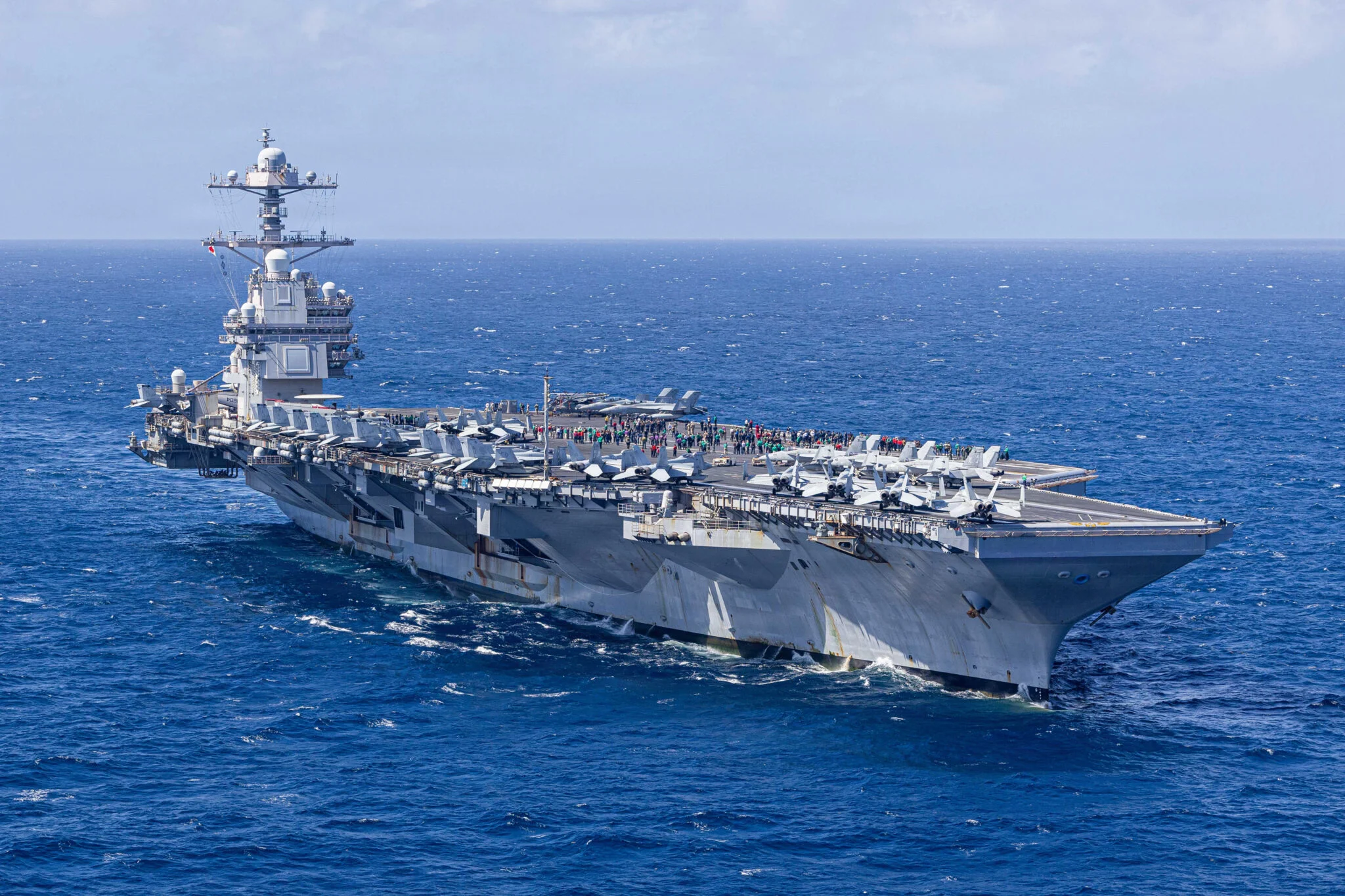
In the Gulf region, Iranian-backed operations have reportedly targeted U.S. military installations. Bahrain and other Gulf states have seen heightened military alerts. There were also reports of misdirected defensive actions amid the tension, reflecting the high-alert environment.
Saudi Arabia and Qatar have faced indirect security concerns, particularly around energy and diplomatic facilities.
Why This Matters
The conflict is no longer confined to symbolic or limited military exchanges.
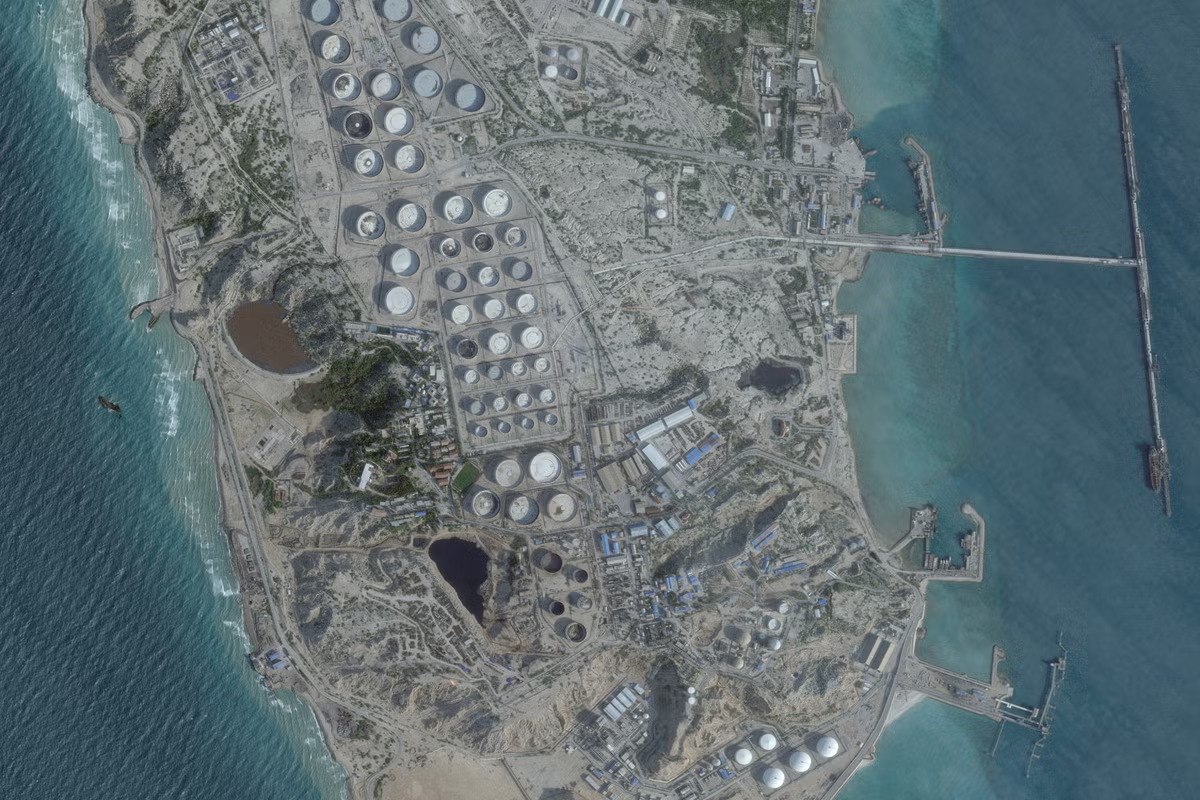
Strikes on nuclear facilities, command centers and urban areas represent a significant escalation. Damage to energy infrastructure and threats to Gulf security could disrupt global oil markets at a time when supply chains remain fragile.
The reported targeting of sites such as Natanz raises international alarm over nuclear safety risks. Any sustained damage to nuclear facilities could create environmental and political fallout far beyond Iran’s borders.
The expanding geography of the conflict also increases the risk of drawing more regional actors into confrontation. Gulf states hosting U.S. bases now face difficult security calculations.
Meanwhile, civilian casualties and damage to cultural heritage sites are likely to intensify diplomatic pressure from the United Nations and European governments.
What Analysts or Officials Are Saying
U.S. officials have warned that the situation could escalate further if Iran continues its retaliatory campaign. President Donald Trump has signaled that ground operations remain an option if strategic objectives are not achieved.
Israeli leadership has stated that it does not seek a prolonged war but insists on neutralizing perceived threats from Tehran.
Iranian officials, including representatives aligned with Supreme Leader Ali Khamenei, have declared readiness for sustained resistance. They argue that the country will use all available capabilities if attacks continue.
Military analysts note that both sides are attempting to project strength while avoiding full-scale regional war. However, they caution that the pace and scale of strikes reduce room for controlled de-escalation.
Security observers also warn that miscalculations — particularly around U.S. bases in the Gulf — could trigger a broader coalition response.
Daljoog News Analysis
The current phase of fighting suggests a dangerous middle ground between limited conflict and full regional war.
Neither Washington nor Tel Aviv appears eager for a prolonged ground invasion. Yet the scale of air and missile operations already surpasses what many analysts expected in the early days.
Iran’s strategy appears focused on demonstrating resilience and imposing costs across multiple fronts, including Israeli urban centers and U.S. regional assets. This multi-layered retaliation increases uncertainty and stretches defensive systems.
For the United States, maintaining deterrence while preventing regional collapse is a delicate balance. Public discussion of possible ground action signals seriousness but also raises the stakes dramatically.
The longer the conflict continues, the harder it becomes to contain.
Economic pressure will also mount. Energy markets, insurance costs for shipping and investor confidence could deteriorate if the Gulf region becomes unstable. Even without a direct blockade, perceived risk can shift global pricing.
Daljoog News assesses that the coming days will determine whether this war stabilizes into limited deterrence or expands into a wider confrontation involving additional regional players.
What Happens Next
Several critical factors will shape the war’s direction.
First, the intensity of Iranian missile strikes against Israeli cities will influence Israel’s next moves. Sustained urban attacks may push for deeper strikes inside Iran.
Second, any confirmed attack causing heavy casualties at U.S. Gulf bases could prompt broader American military engagement.
Third, international diplomatic efforts may intensify. European powers and regional intermediaries are likely working behind the scenes to prevent escalation.
Finally, the possibility of a ground operation remains the largest escalation risk. If initiated, it would transform the conflict into a far more complex and prolonged war.
For now, the fighting continues with no clear exit strategy. The war’s trajectory depends less on rhetoric and more on whether either side decides that current objectives have been met — or that further escalation is unavoidable.