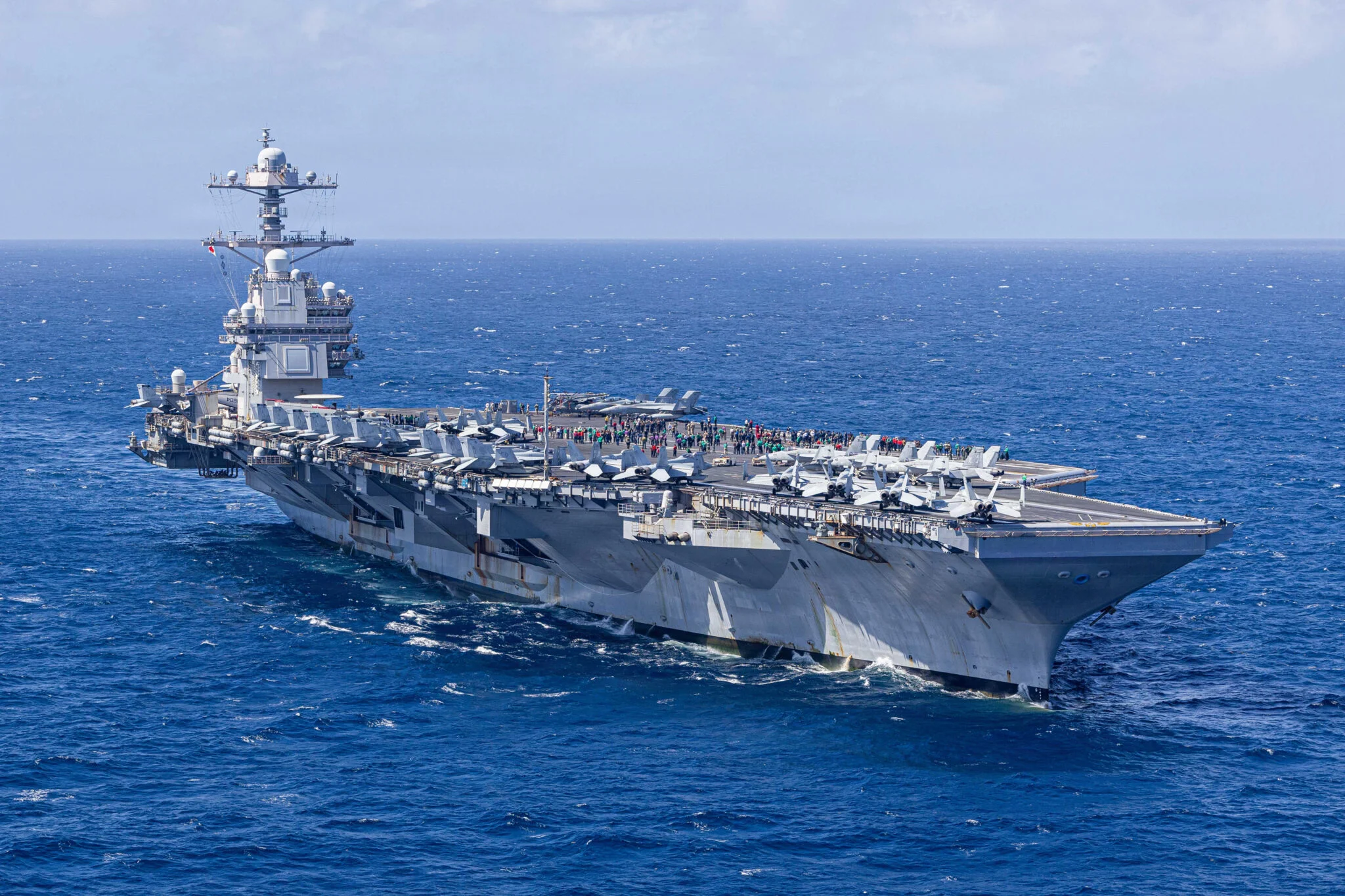



Three advanced US fighter jets were shot down over Kuwaiti airspace after being misidentified by Kuwait’s own air defense systems. The incident, which occurred on March 2, involved an American aircraft conducting patrol operations amid heightened regional tensions.
According to Daljoog News analysis, the episode underscores how quickly battlefield confusion can override even sophisticated identification systems. Despite close military ties between Washington and Kuwait, a breakdown in coordination turned allied skies into a flashpoint.
The event unfolded during the third day of what US Central Command described as an ongoing operation responding to missile and drone threats originating from Iran.
What Happened?
The aircraft involved were three F-15 Strike Eagle jets operated by the United States Air Force. They were flying defensive patrols when Kuwaiti radar systems reportedly classified them as hostile targets.
Kuwait’s air defense forces launched interceptors, striking all three aircraft. The jets crashed within Kuwaiti territory.
All six crew members — three pilots and three weapons systems officers — successfully ejected and landed safely by parachute. US military officials later confirmed that their condition was stable.
The incident took place in Kuwaiti airspace during what Washington has referred to as Operation Epic Fury. United States Central Command stated the aircraft were responding to incoming Iranian missile and drone threats at the time.
Kuwait’s government issued an official expression of regret, calling the episode an unintended accident during a period of intense aerial activity.
Why This Matters
Kuwait has long been a strategic partner of the United States. Since the 1991 Gulf War, the country has hosted US military personnel and facilities, serving as a logistical and operational hub in the region.
This friendly fire incident raises difficult questions about joint defense coordination. Advanced aircraft like the F-15 Strike Eagle are equipped with identification systems designed to prevent exactly this type of mistake. Yet even with modern electronic warfare suites and encrypted transponders, misidentification occurred.
Military analysts point to the complexity of modern aerial warfare. In an environment crowded with drones, cruise missiles, and high-speed aircraft, radar operators face enormous pressure. Seconds matter. A single misread signal can trigger irreversible consequences.
The episode also highlights the vulnerability of even trusted alliances during high-intensity operations. When multiple nations share airspace under threat, seamless communication becomes critical.
What Analysts or Officials Are Saying
Defense experts argue that such incidents often stem from a combination of technical overload and human decision-making under stress. When radar screens fill with incoming objects — some small, some fast, some designed to evade detection — distinguishing friend from foe becomes significantly harder.
Kuwaiti authorities have framed the event as a tragic error rather than a systemic failure. However, analysts suggest that investigations will likely examine data-sharing protocols, identification friend-or-foe (IFF) integration, and joint command procedures.
Regional observers also note the political sensitivity. While both governments may seek to downplay tensions publicly, behind closed doors military planners are likely reassessing coordination standards.
Daljoog News Analysis
The central question — “Isn’t Kuwait a friend of America?” — reflects public confusion rather than diplomatic reality. Kuwait remains a formal US partner and host to American forces. The incident does not signal a shift in alliance.
However, it exposes a deeper truth about contemporary warfare: alliances do not eliminate risk. In fast-moving conflict zones, technology can falter and communication chains can fracture.
The F-15 Strike Eagle has long symbolized American air superiority. Losing three of them — even without casualties — carries symbolic weight. It complicates narratives of seamless operational control.
This event also arrives at a politically sensitive time. Early claims from Washington and Tel Aviv suggested significant degradation of Iranian capabilities. Yet sustained missile and drone activity indicates a more contested battlefield. Friendly fire only sharpens scrutiny of operational effectiveness.
Public reaction within Kuwait adds another layer. Social media footage reportedly showed local frustration directed at US personnel after the ejections. Civilian perception in host nations can quickly influence political calculations, especially during prolonged conflict.
Ultimately, the incident reflects the unpredictable nature of modern, multi-domain warfare. Air defense systems designed to protect can become liabilities when information flows fail.
What Happens Next
A joint US-Kuwaiti investigation is expected to examine radar data, communications logs, and identification protocols. Temporary adjustments to flight corridors and coordination mechanisms are likely.
Washington will aim to preserve alliance stability, while Kuwait must reassure its population that airspace security remains intact.
The broader regional environment remains tense. Continued Iranian missile and drone operations mean allied forces will keep flying high-alert patrols. That reality increases the urgency of tightening coordination procedures.