

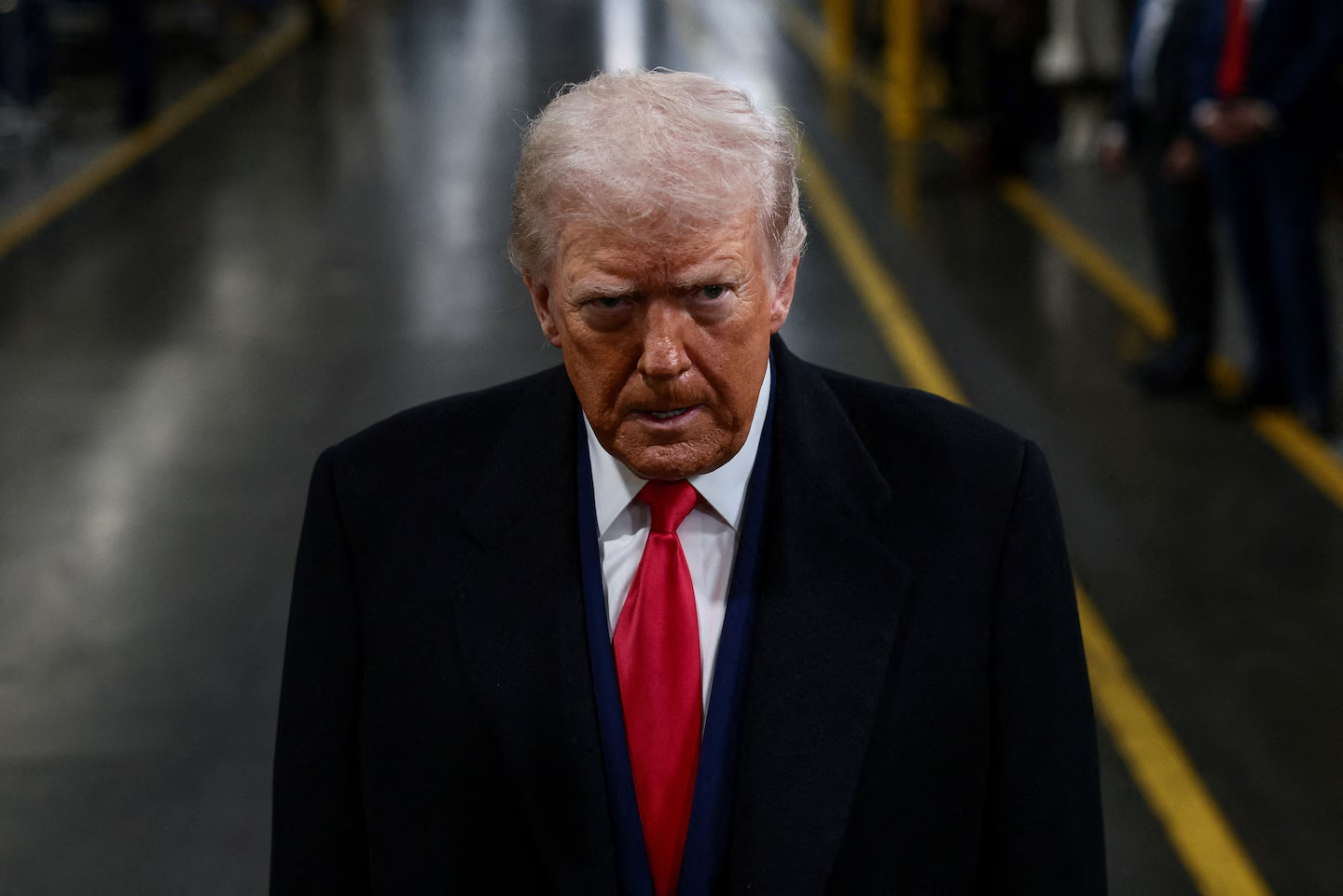
U.S. efforts to weaken Iran through rapid military pressure have not delivered the swift outcome many in Washington expected. Instead of collapsing under short, high-intensity strikes, Tehran appears to be shifting toward a prolonged conflict strategy aimed at increasing pressure on President Donald Trump.
According to Daljoog News analysis, Iran’s approach suggests a calculated attempt to stretch the timeline of confrontation. Rather than matching force with force, Tehran appears focused on economic and political leverage—particularly targeting vulnerabilities that could affect decision-making in the White House.
The situation unfolds as tensions in the Persian Gulf intensify, raising fears of wider instability in the Middle East. With global energy flows at risk and regional allies on alert, the stakes extend well beyond the battlefield.
What Happened?
Early U.S. and Israeli strikes reportedly aimed to disrupt Iranian command structures and trigger internal destabilization. The underlying assumption was that concentrated pressure over a short period could force strategic concessions or even regime-level shifts.
However, analysts now argue that such expectations may have underestimated Iran’s preparedness for asymmetric retaliation.
In recent weeks, the Islamic Revolutionary Guard Corps has adopted a pattern of dispersed attacks targeting U.S. allies and military interests across the region. Rather than escalating into a single decisive clash, Tehran appears to favor calibrated responses designed to prolong tension without triggering total war.
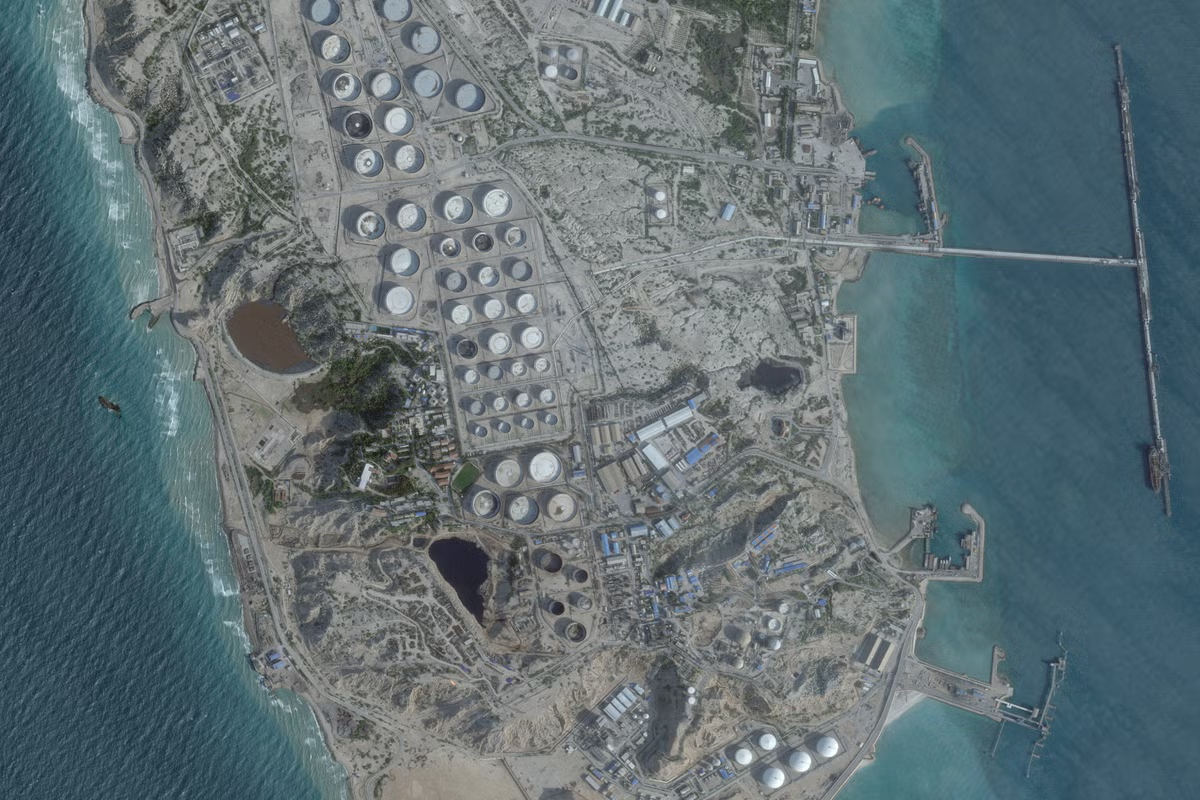
At the same time, Iranian officials have hinted at the possibility of disrupting shipping in the Strait of Hormuz. Nearly 20 percent of the world’s crude oil passes through this narrow waterway, making it a critical chokepoint for global trade.
Even limited interference in that corridor would send shockwaves through energy markets.
Why This Matters
Military conflicts are not fought only on battlefields. They also unfold in financial markets, public opinion polls, and diplomatic corridors.
A prolonged confrontation would increase operational costs for Washington. Sustained deployments, missile defense operations, and logistical support require billions of dollars. Economic strain at home could translate into political pressure abroad.
For President Trump, the timing is sensitive. Analysts suggest that extended conflict risks undermining economic stability—one of the pillars of his political narrative.
Iran’s strategy appears designed to exploit exactly that pressure point.
Tehran may calculate that the United States has greater difficulty sustaining a drawn-out campaign than absorbing short bursts of confrontation. Rising fuel prices, inflationary concerns, and market volatility could amplify domestic criticism.
What Analysts or Officials Are Saying
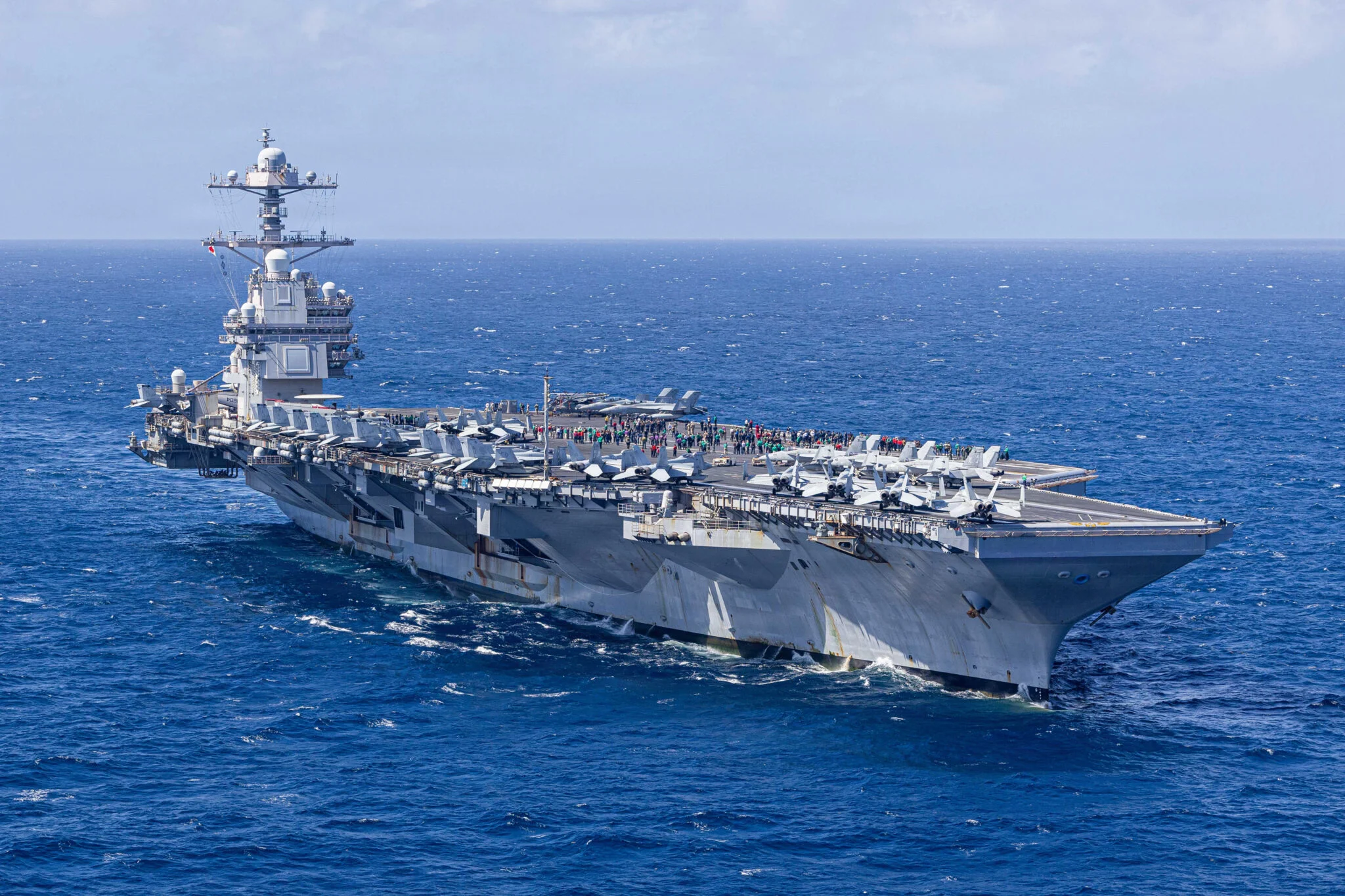
Security observers argue that Washington retains overwhelming military superiority but faces constraints in duration and public tolerance. The cost of maintaining carrier groups, air operations, and missile defense systems is substantial.
Some analysts believe that President Trump would prefer a limited engagement rather than an open-ended conflict. They point to his previous emphasis on cost control and reluctance toward prolonged overseas wars.
Iranian strategists, meanwhile, appear to view time as a strategic asset. By avoiding a decisive confrontation and instead sustaining controlled pressure, Tehran could attempt to shape political calculations in Washington.
Regional experts note that disrupting Gulf stability—even symbolically—can have global consequences. A partial closure or credible threat to close the Strait of Hormuz would not only affect the U.S. but also European and Asian economies dependent on Gulf oil supplies.
Diplomatic officials caution that miscalculation remains a serious risk. Even limited engagements can spiral if one side perceives weakness or overreach.
Daljoog News Analysis
The current trajectory suggests a shift from rapid military objectives to an endurance-based strategy.
If initial expectations in Washington centered on swift results, the unfolding reality appears more complex. Iran has not mirrored U.S. firepower directly. Instead, it has leveraged geography, regional alliances, and economic chokepoints.
The Strait of Hormuz is central to this equation. Even the suggestion of disruption introduces uncertainty into global markets. That uncertainty translates into political pressure in capitals far from the Gulf.
President Trump now faces a delicate balance. Escalation could reinforce deterrence but risks economic backlash. De-escalation might reduce costs but could be portrayed as a strategic retreat.
Iran’s approach seems focused on forcing that dilemma.
A prolonged standoff increases the likelihood that domestic considerations—economic indicators, public sentiment, and electoral dynamics—play a larger role in policy decisions.
The broader implication is that modern conflicts often hinge less on battlefield dominance and more on resilience, narrative control, and economic endurance.
What Happens Next
Several pathways remain possible.
Washington could intensify pressure through additional strikes or sanctions, seeking to restore deterrence quickly. Alternatively, diplomatic channels—either direct or via intermediaries—could open to prevent further escalation.
Iran may continue calibrated regional actions while avoiding a direct clash that would justify overwhelming retaliation.
Energy markets will remain highly sensitive. Even limited disruptions in Gulf shipping could produce immediate price spikes.
Ultimately, analysts suggest that the decision to expand or limit the conflict rests largely with President Trump. Tehran appears aware of that political reality and may structure its strategy accordingly.
The coming weeks will test whether economic pressure, military posture, or diplomatic maneuvering defines the next phase of this confrontation. Daljoog News will continue to monitor developments as the balance between escalation and restraint unfolds.