

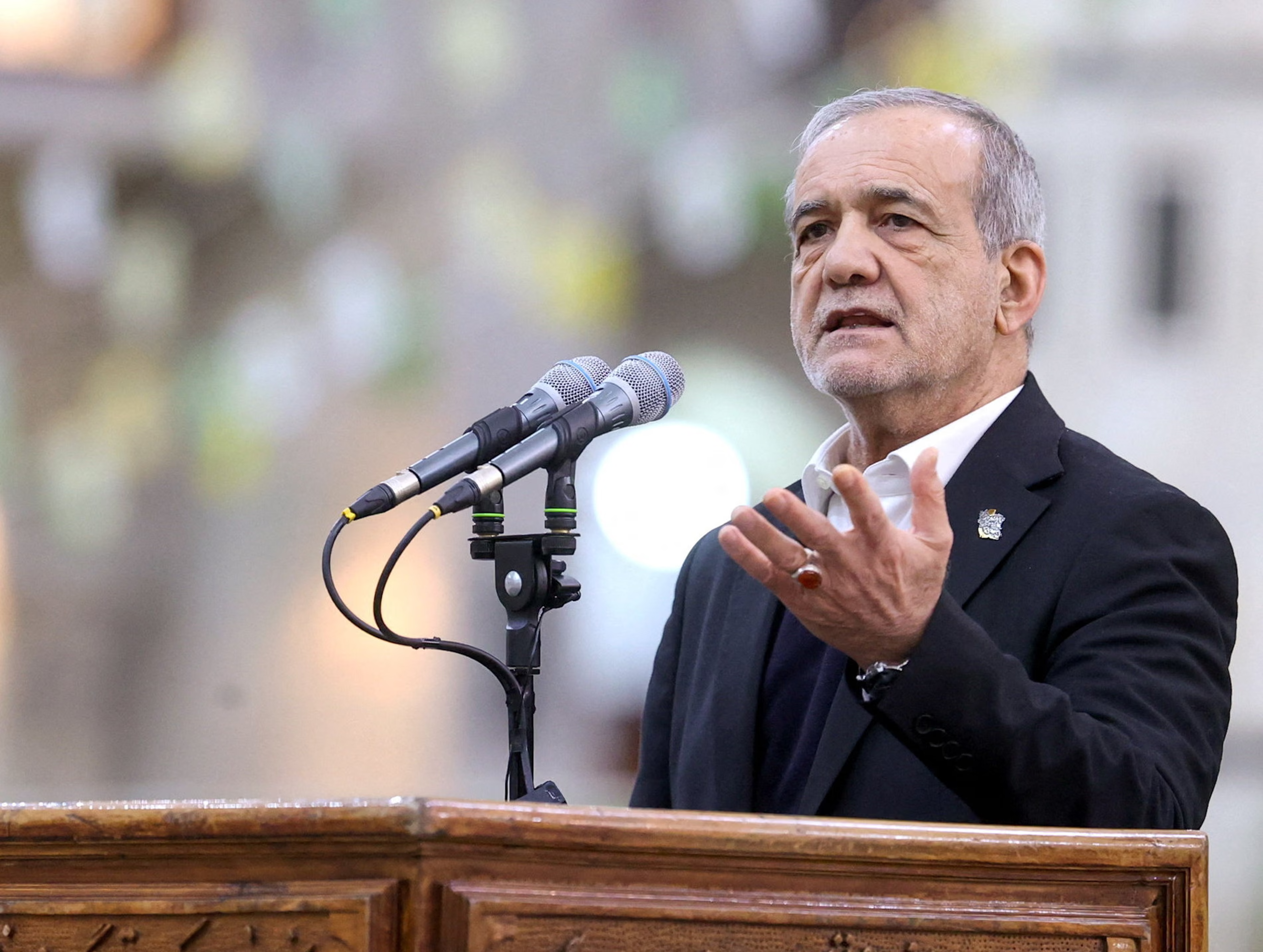
Iran’s president has publicly justified Tehran’s large-scale counterattack following joint U.S. and Israeli strikes on Iranian territory last weekend. The escalation has pushed the Middle East closer to a broader regional crisis.
According to Daljoog News analysis, the remarks by President Masoud Pezeshkian signal that Tehran wants to frame its response as defensive rather than expansionist. The statement also suggests Iran believes it had exhausted diplomatic options before turning to military retaliation.
The developments follow what Washington has described as a preemptive operation authorized by President Donald Trump. The operation, reportedly named “Epic Fury,” has triggered diplomatic shockwaves across Europe and the Gulf.
What Happened?
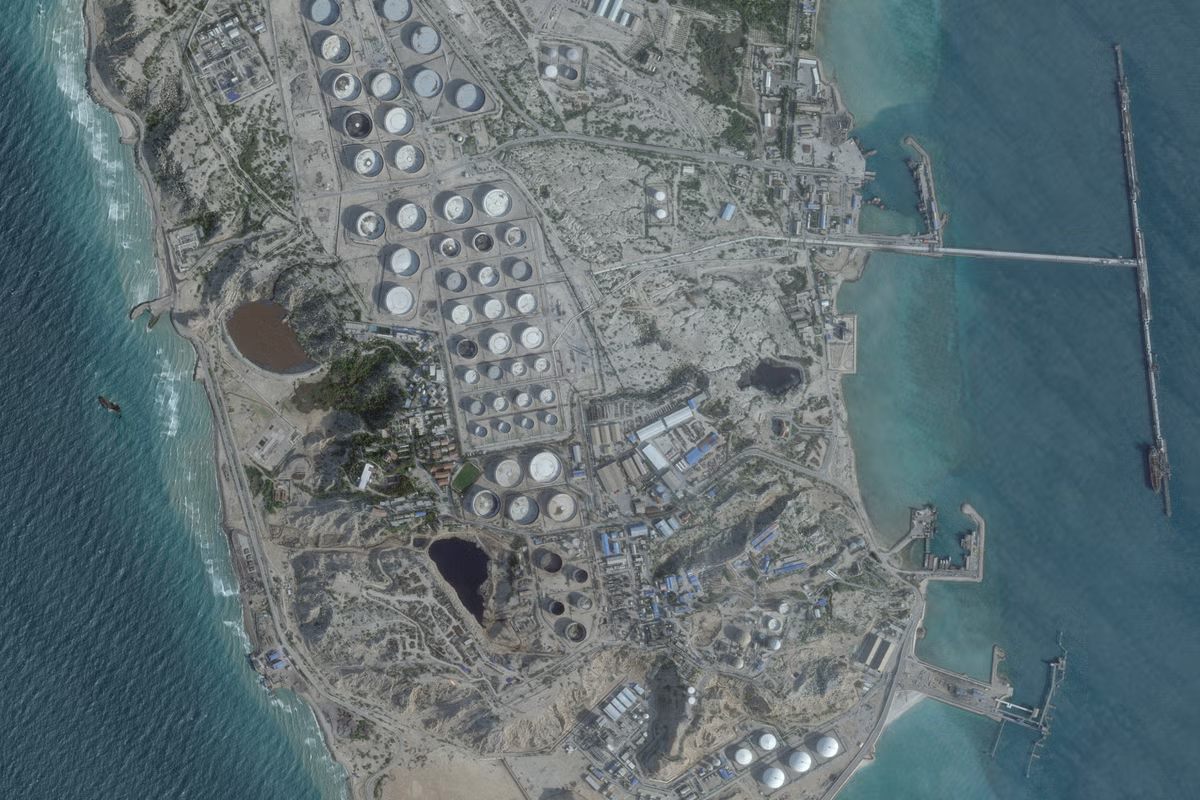
Last Saturday, U.S. and Israeli forces launched coordinated strikes on Iranian targets. While officials have not released full operational details, the attacks reportedly focused on strategic military and infrastructure sites.
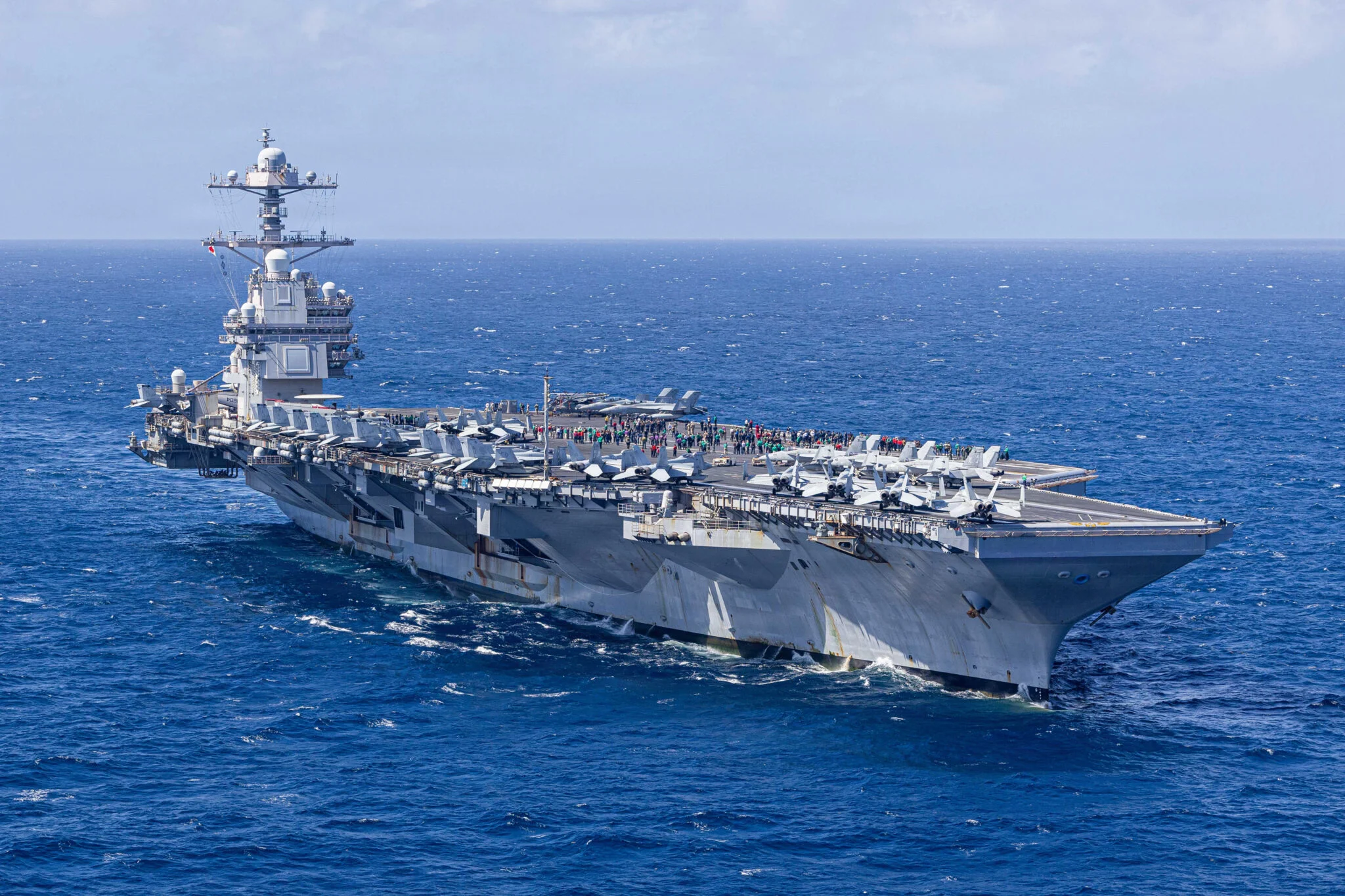
In response, Tehran targeted U.S. military bases across the Middle East. Iranian officials described the strikes as measured but firm retaliation.
President Pezeshkian stated that Iran had sought to avoid open confrontation through diplomacy. However, he argued that once Washington and Tel Aviv initiated military action, Iran had no remaining alternative.
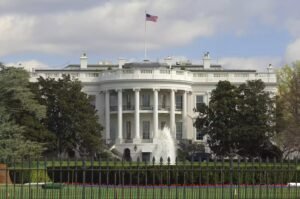
At a White House press briefing on Wednesday, Press Secretary Karoline Leavitt defended the decision to strike first. She said U.S. intelligence assessments indicated Iran was preparing potential attacks, prompting Washington to act preemptively.
Leavitt also claimed that before launching the operation, the Trump administration had offered Tehran a broad diplomatic package. According to her account, the proposal included lifting strict sanctions, supplying nuclear fuel for peaceful energy use, and launching a joint civilian nuclear program backed by American investment.
In exchange, Iran was asked to dismantle its uranium enrichment infrastructure permanently.
U.S. officials say Tehran rejected those conditions, leading to the military action.
Why This Matters
The crisis is no longer confined to direct U.S.-Iran tensions. Regional allies and European governments are now navigating the fallout.
A direct exchange of strikes increases the risk of sustained confrontation. U.S. bases in Iraq, Syria, and the Gulf remain on high alert. Energy infrastructure and shipping routes also face heightened security risks.
The proposed dismantling of Iran’s enrichment capabilities touches the core of Tehran’s national security doctrine. Iranian leaders have long framed nuclear infrastructure as both a sovereign right and a strategic safeguard.
At the same time, Washington views uranium enrichment capacity as a potential pathway to weapons capability, making it a central red line.
The clash between those positions leaves little room for easy compromise.
What Analysts or Officials Are Saying
U.S. officials maintain that the operation aimed to neutralize emerging threats and prevent future attacks. They argue that intelligence assessments justified immediate action.
Iranian leaders counter that the strikes violated international norms and left them with no option but retaliation.
European governments have taken a cautious stance. Germany’s defense minister has stated that Berlin is not a party to the conflict and will not deploy forces in support of military escalation. He also emphasized that military force alone cannot resolve the crisis.
Security analysts warn that even limited retaliatory exchanges can escalate quickly if miscalculations occur. Missile strikes, drone interceptions, or intelligence failures could widen the battlefield.
Some observers also note that leadership uncertainty in Tehran may complicate stability. U.S. officials acknowledged that intelligence agencies are closely monitoring succession dynamics following reports of leadership disruptions at the highest levels.
Daljoog News Analysis
President Pezeshkian’s remarks appear carefully calibrated. By emphasizing failed diplomacy, Tehran aims to shape international opinion and avoid isolation.
Washington, meanwhile, frames the operation as preventive rather than aggressive. That narrative is designed to reassure allies and domestic audiences that escalation was unavoidable.
The competing narratives reveal a deeper strategic struggle. The United States seeks to restrict Iran’s nuclear and military capabilities. Iran seeks deterrence and regional influence.
Neither side appears willing to concede core demands.
Europe’s cautious response suggests growing concern that the confrontation could spiral beyond initial calculations. Energy markets and financial institutions are already factoring in geopolitical risk.
The most fragile element is trust. Once both sides publicly justify strikes as necessary, the political space for compromise narrows.
If diplomacy does resume, it will likely require third-party mediation and incremental steps rather than sweeping agreements.
What Happens Next
Military alert levels across the region are expected to remain high. U.S. forces may reinforce defensive systems at regional bases.
Iran could continue calibrated responses while avoiding actions that would trigger overwhelming retaliation.
Diplomatic outreach may intensify behind closed doors, especially through European intermediaries seeking de-escalation.
Energy markets will continue to react to every signal from the Gulf. Any disruption near the Strait of Hormuz would amplify global concern.
For now, the confrontation stands at a delicate point. Whether it evolves into sustained conflict or shifts back toward negotiation depends on political calculations in both Washington and Tehran.
Daljoog News will continue to track developments as the region navigates one of its most volatile moments in recent years.