


Iran’s retaliatory strikes across the Gulf have caused an estimated $2 billion in U.S. military losses, according to regional assessments and open-source intelligence reviews. The attacks follow joint U.S. and Israeli operations inside Iran, widening the scope of confrontation.
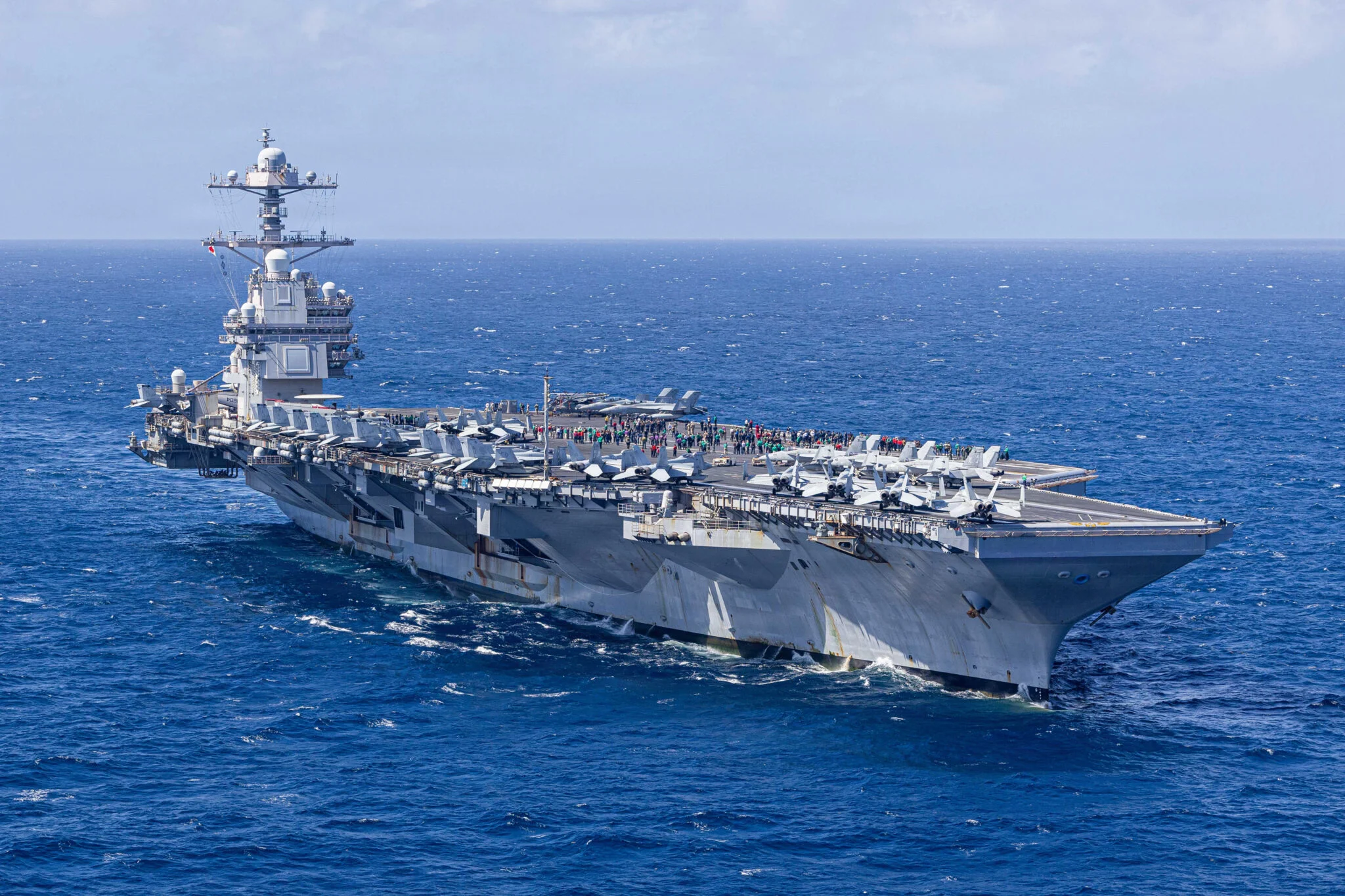
According to Daljoog News analysis, the financial toll highlights the vulnerability of high-value American assets positioned across the Middle East. While Washington retains overwhelming military capability, the cost of sustaining forward deployments is rising sharply.
The damage spans multiple countries, including Qatar, Kuwait, Bahrain, Saudi Arabia, and the United Arab Emirates, underscoring how the conflict is no longer geographically contained.
What Happened?
Estimates compiled by Turkey’s Anadolu Agency and defense analysts suggest U.S. military losses reached approximately $1.9 to $2 billion by Tuesday.
The most significant reported damage occurred at Al Udeid Air Base, where an American early warning radar system was struck. The radar, valued at roughly $1.1 billion, reportedly suffered extensive damage following a missile attack. Qatari authorities confirmed the system was hit and sustained heavy impact.
In Kuwait, a friendly-fire incident within the country’s air defense system led to the destruction of three F-15E Strike Eagle jets. Although all six pilots survived, the aircraft were lost. The estimated cost of the destroyed jets stands at around $282 million.
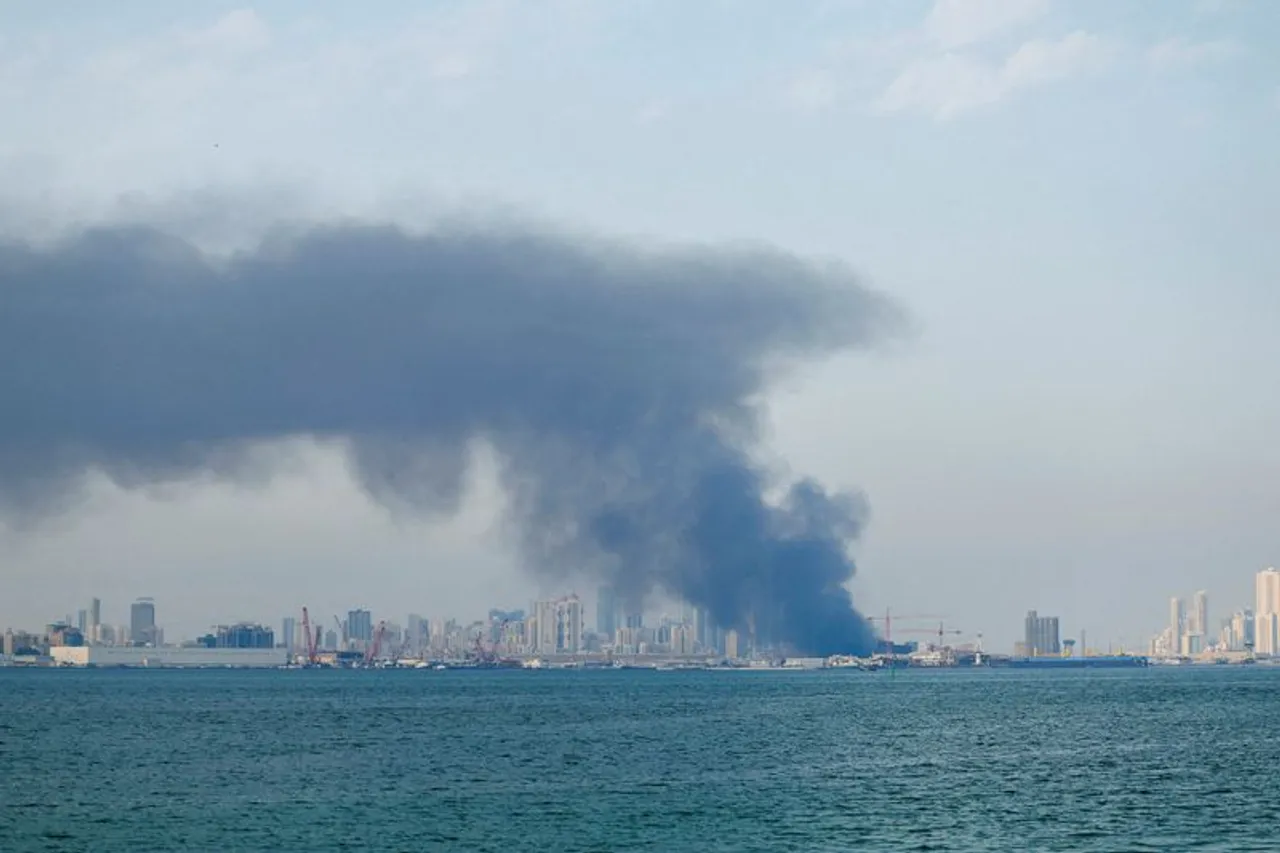
Earlier retaliatory strikes targeted the U.S. Navy’s Fifth Fleet headquarters in Manama, Bahrain. Reports indicate that two satellite communication terminals and several large buildings were destroyed. Open-source intelligence assessments place the value of each affected terminal at approximately $20 million, including installation and deployment costs.
Iran has also claimed responsibility for damaging radar components linked to a Terminal High Altitude Area Defense (THAAD) system deployed near Al Ruwais industrial area in the United Arab Emirates.
Beyond military installations, U.S. diplomatic facilities have also faced attacks. Two drones reportedly struck near the U.S. Embassy in Riyadh, Saudi Arabia. The U.S. Embassy in Kuwait City, Kuwait, experienced both drone and missile incidents. In Dubai, a suspected Iranian drone struck a parking area near the U.S. Consulate General.
While casualty figures remain unclear, reports suggest the United States has also suffered personnel losses during the escalating exchanges.
Why This Matters
The reported financial damage reflects more than material loss. It signals how modern missile and drone warfare can impose high economic costs even without a full-scale invasion.
Forward-deployed systems such as early warning radars, advanced fighter jets, and missile defense platforms represent some of the most expensive assets in the U.S. arsenal. Replacing or repairing them requires time, logistics, and additional funding.
The strikes also expose the interconnected security architecture of the Gulf. Bases in Qatar, Bahrain, Kuwait, and the UAE serve as central hubs for American operations. Damage in one location affects broader regional readiness.
Energy infrastructure and shipping routes remain under heightened threat. Any prolonged instability increases insurance premiums, shipping delays, and global energy volatility.
What Analysts or Officials Are Saying
U.S. defense officials have not publicly confirmed the full financial figures but acknowledge that several facilities sustained damage.
Regional defense analysts emphasize that the loss of high-value systems can alter tactical calculations, even if temporarily. Early warning radars play a crucial role in missile detection and interception.
Security experts also note that friendly-fire incidents highlight the complexity of multilayered air defense networks operating under intense pressure.
Iranian officials describe the strikes as proportionate retaliation for earlier U.S. and Israeli operations. They argue that American military presence across the region makes such facilities legitimate targets in a conflict scenario.
European governments have urged restraint, warning that sustained attacks could destabilize the Gulf’s security architecture.
Daljoog News Analysis
The $2 billion estimate underscores a critical shift in conflict dynamics.
For decades, U.S. bases across the Gulf functioned as relatively secure platforms. Today, precision-guided missiles and long-range drones have narrowed that advantage.
The financial cost may be manageable for Washington in the short term. However, prolonged attrition could compound expenses significantly. Sustained damage to high-value systems erodes deterrence and strains defense budgets.
Iran’s strategy appears focused on imposing economic and operational costs rather than seeking outright military superiority. By targeting expensive assets, Tehran can create disproportionate financial pressure.
The diplomatic dimension also matters. Gulf states hosting U.S. bases may face domestic and regional scrutiny as their territories become battlegrounds.
The situation illustrates how asymmetric tactics can reshape traditional power balances.
What Happens Next
The United States is likely to reinforce air defense systems and disperse high-value assets to reduce vulnerability.
Repair operations and asset replacement will begin quickly, but restoring full operational capability may take time.
Iran may continue calibrated strikes while avoiding escalation that would trigger overwhelming retaliation.
Diplomatic engagement through regional mediators could intensify as the economic toll rises.
For now, the Gulf remains on edge. The reported $2 billion in losses marks a significant financial blow, but the larger question is whether the confrontation escalates further or shifts toward negotiation.
Daljoog News will continue monitoring military, economic, and diplomatic developments as this high-stakes conflict unfolds.