



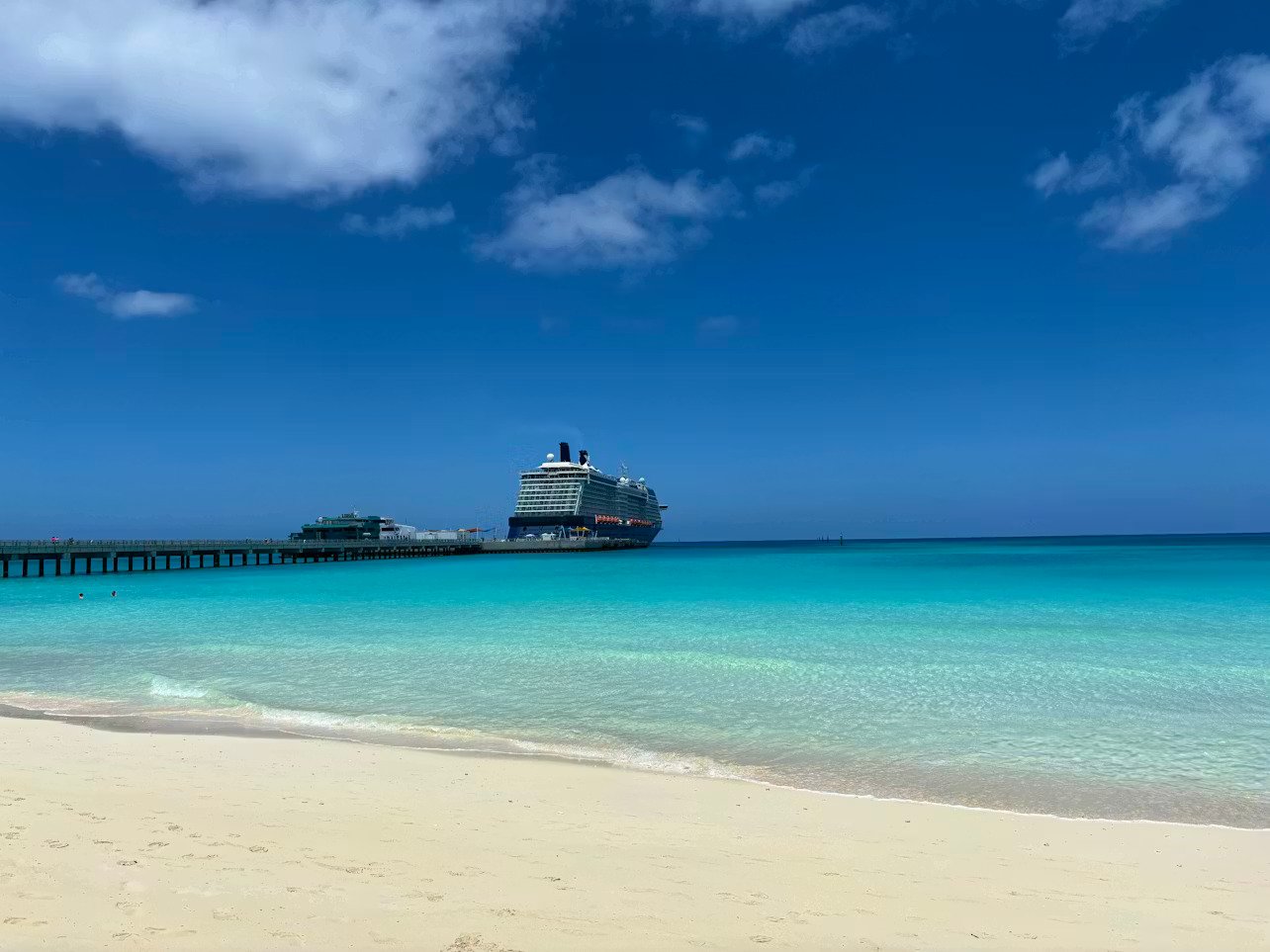
Caribbean cruises run year-round, offering sun, beaches, and water sports in nearly every season. But while any time is technically cruise season, timing your trip can affect weather, crowd sizes, and ticket prices.
According to Daljoog News analysis, the best Caribbean cruises balance pleasant weather with manageable crowds and cost, while avoiding the peak hurricane season. Travelers who understand these patterns can make smarter decisions and maximize their vacation experience.
Whether you prioritize sunny skies, lower fares, or fewer fellow passengers on board, knowing the seasonal trends can help you plan a cruise that fits your schedule and expectations.
What Happened?
The Caribbean’s climate and tourism cycle create natural peaks and valleys throughout the year. The dry season, running roughly from December to April, offers the most predictable weather, with temperatures in the high 70s to mid-80s Fahrenheit and minimal rainfall. Cruise lines schedule many of their premium sailings during this window, taking advantage of reliable conditions.
Conversely, the summer months and early fall bring hotter temperatures, higher humidity, and the potential for rain or storms. Hurricane season officially runs from June 1 to November 30, with the highest likelihood of tropical storms in September and October. Cruise lines, however, are experienced at rerouting ships to avoid weather hazards, allowing travelers to sail even during these months.
Beyond climate, other factors shape the cruise experience. Peak holiday periods, spring break, and summer vacations drive up crowds and ticket prices, while off-peak months offer the advantage of quieter ships and lower fares.
Why This Matters
Choosing when to cruise the Caribbean affects more than comfort—it impacts safety, budget, and overall vacation quality. High temperatures and strong sun in midsummer require careful sun protection, while hurricane-prone months demand flexibility and preparedness for itinerary changes.
Lower fares during September, October, and early December can provide significant savings, but come with the trade-off of increased rain risk. Likewise, off-peak months may offer more space onboard and at port, enhancing the overall experience for travelers seeking a relaxed atmosphere.
Understanding these variables allows passengers to align their priorities—whether it’s perfect beach weather, lower costs, or avoiding crowds—with the timing of their cruise.
What Analysts or Officials Are Saying
Travel experts and cruise specialists emphasize that while December through April generally offers the most stable weather, flexibility is key. Experienced cruisers point out that ships frequently adjust itineraries during storm-prone months, mitigating risk without canceling vacations.
Industry analysis also shows that prices peak during major holidays and spring break, while shoulder seasons like May, early June, and early December offer a balance between favorable weather, fewer crowds, and moderate fares. Smaller or older ships may also provide cost savings compared with newer vessels, though amenities can vary.
Daljoog News Analysis
While many guides highlight December to April as the “ideal” window for Caribbean cruising, Daljoog News notes that personal schedule, tolerance for heat or rain, and budget often matter more than seasonal averages. For families, peak summer months may be the only viable option, while solo travelers or couples might prefer the quieter shoulder seasons for a more intimate experience.
Month-by-month trends reveal practical patterns: January and February offer reliable weather and lower fares outside holiday weeks; March and April see higher prices and spring-break crowds; May and June balance heat and manageable ship occupancy; July and August peak with family travel and high prices; September and October offer deals but hurricane risks; November and early December are ideal for avoiding crowds while still enjoying dry conditions.
Cruise duration and route further influence experience. Shorter cruises may feel more crowded and energetic, while longer itineraries allow for a slower pace and greater exploration. Cruise lines also often combine Bahamas sailings with Caribbean itineraries, providing similar beach and water activities.
What Happens Next
Travelers planning a Caribbean cruise should consider both personal priorities and seasonal patterns. Inspect cruise line schedules, look for off-peak pricing, and account for your tolerance for heat, humidity, and potential storms.
Even if your ideal window isn’t available, cruising in other months is rarely a bad choice. Cruise operators are adept at maintaining enjoyable itineraries year-round, and the Caribbean’s warm climate makes most trips worthwhile.
For practical planning, consult expert guides on selecting ships, itineraries, and timing. Daljoog News offers additional resources on Caribbean cruise strategies via Daljoog News and Travel, helping travelers make informed choices for an unforgettable sailing experience.