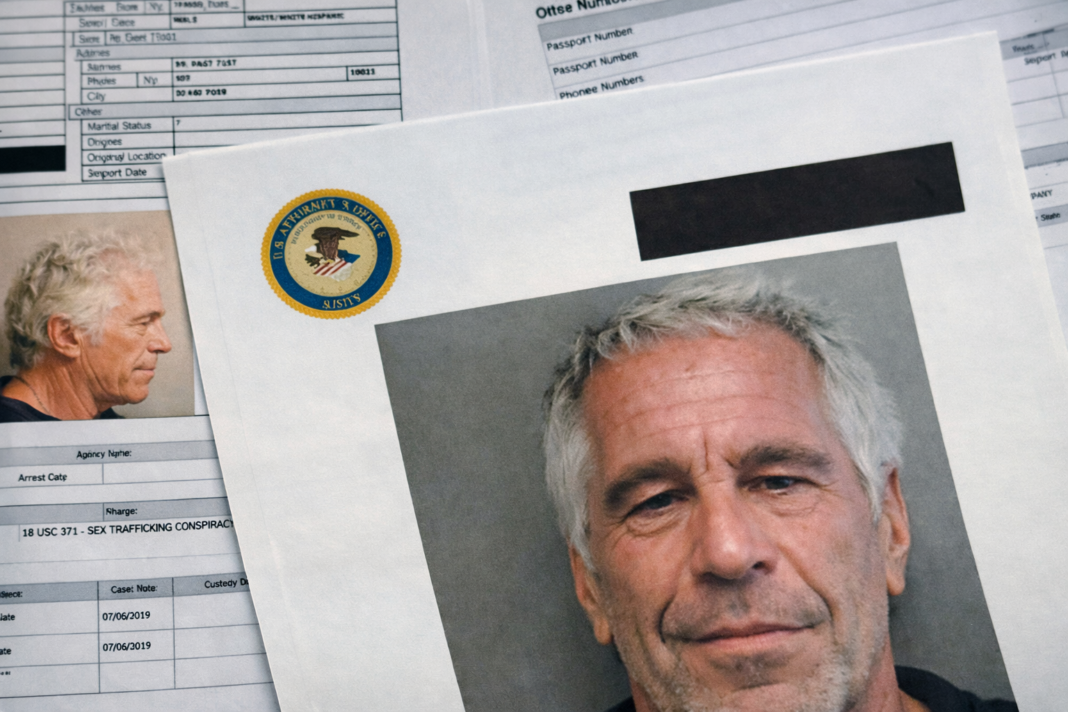



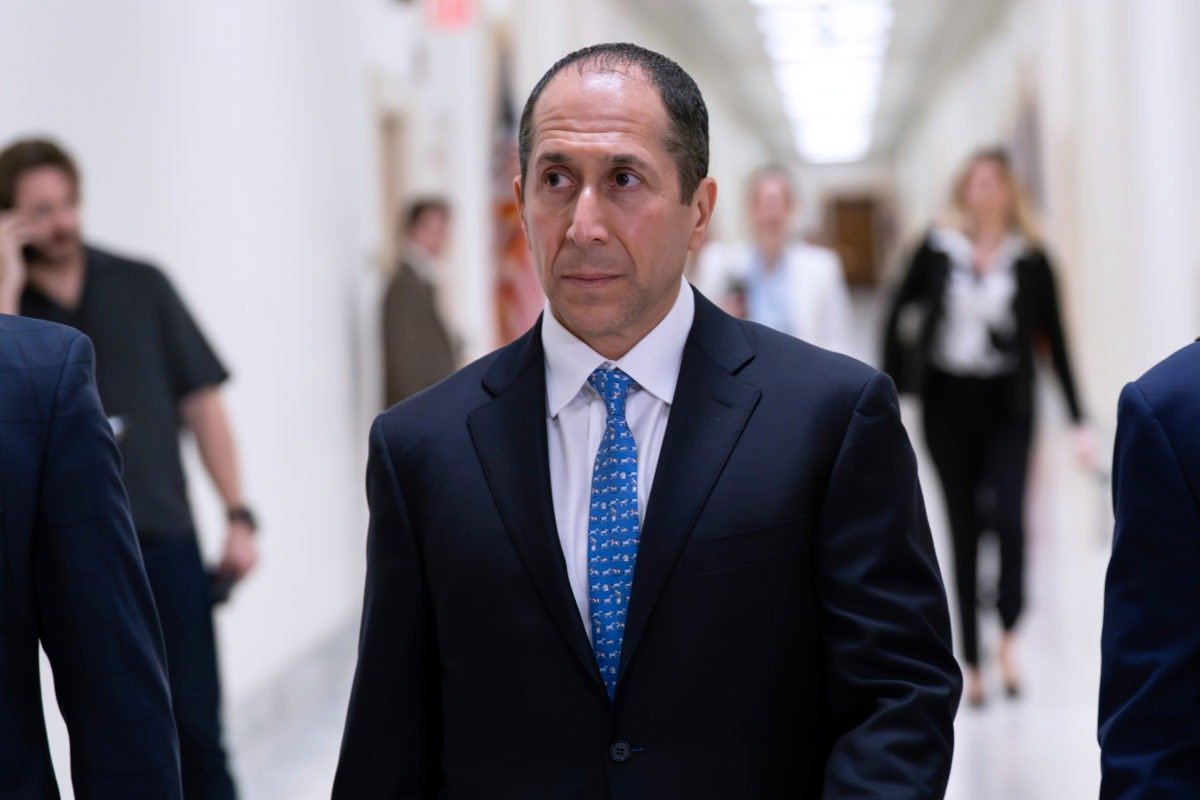
Richard Kahn, Jeffrey Epstein’s longtime accountant and co-executor of his estate, told Congress on Wednesday that he did not know about Epstein’s sexual abuse until after the financier’s death. Kahn, who managed Epstein’s complex finances and Caribbean properties for over a decade, testified under subpoena to the House Oversight Committee.
According to Daljoog News analysis, Kahn’s statements highlight the challenges investigators face in separating financial oversight from complicity in criminal activity. His testimony also raises questions about how Epstein’s extensive financial network may have shielded his illegal operations.
The testimony comes amid an ongoing series of high-profile depositions involving Epstein associates, including billionaire Les Wexner and Ghislaine Maxwell. The committee is exploring the full scope of Epstein’s financial dealings, settlements, and connections to influential figures.
What Happened?
Kahn appeared before the House Oversight Committee in a closed-door session, providing a prepared statement in which he emphasized that he “did not see anything that suggested Epstein was abusing or trafficking women.” He noted that he tracked Epstein’s expenditures, including gifts to women and men, but considered them a minor part of the overall spending and not a warning sign.
The accountant confirmed that Epstein had substantial annual expenses and maintained a large staff to manage his properties and personal affairs. Kahn said he did not socialize with Epstein outside of work and would have immediately ceased working for him had he been aware of any abusive behavior.
During the deposition, Democratic Rep. Suhas Subramanyam of Virginia revealed that Kahn acknowledged a settlement involving an accuser connected to President Trump. Kahn also referenced financial dealings with former Israeli Prime Minister Ehud Barak, confirming the depth of Epstein’s international financial network.
Kahn provided details about Epstein’s clients who had paid significant sums: Les Wexner, Glenn Dubin, Steven Sinofsky, the Rothschild family, and Leon Black. He insisted he had never observed payments or transactions involving Trump or his family.
Why This Matters
The testimony underscores the pivotal role financial managers played in Epstein’s operations. While Kahn denies knowledge of the abuse, experts note that accountants and lawyers were instrumental in maintaining the complex web of companies, trusts, and offshore accounts that facilitated Epstein’s activities.
The disclosures are particularly relevant because they shed light on how wealthy individuals can use corporate structures to obscure transactions. The testimony also raises broader questions about accountability, ethics, and the responsibilities of financial professionals working for high-profile clients engaged in criminal behavior.
The committee is examining whether Kahn’s management of Epstein’s estate and the settlement of claims influenced victims’ compensation or protected influential associates. Epstein’s Victim Compensation Fund resolved claims for more than 130 women, with additional settlements ongoing.
What Analysts or Officials Are Saying
Some lawmakers expressed skepticism about Kahn’s claimed ignorance. California Democrat Rep. Robert Garcia noted that Kahn admitted facilitating sham marriages, impersonating Epstein in bank communications, and witnessing frequent discussions about Donald Trump, all of which suggest involvement in Epstein’s complex operations.
House Oversight Democrats described Kahn as a central figure in maintaining the structures that enabled abuse, while others, including Virginia Democrat James Walkinshaw, suggested that his inability to recall key communications may indicate willful ignorance.
Legal representatives for Kahn and co-executor Darren Indyke have maintained that neither engaged in, witnessed, or facilitated Epstein’s sexual abuse, and that claims to the contrary are false. Both recently settled a lawsuit alleging their involvement in sham marriages intended to enable victim exploitation.
Daljoog News Analysis
Kahn’s testimony illustrates the murky line between managing high-value financial assets and unknowingly facilitating criminal behavior. Even if accountants like Kahn were unaware of the abuse, their oversight enabled Epstein to operate with minimal scrutiny.
The depositions also highlight the broader implications for high-profile associates and clients connected to Epstein. Transparency about financial dealings and settlements is crucial not only for justice for victims but also for restoring public trust in financial and legal oversight of the wealthy.
Kahn’s acknowledgment of Epstein’s global network and settlement negotiations further demonstrates the reach of Epstein’s influence and the challenges investigators face in untangling his complex operations.
What Happens Next
The committee will continue hearings, with Darren Indyke scheduled to testify on March 19. Lawmakers plan to examine additional Epstein associates, financial records, and settlements to clarify the extent of the network supporting Epstein’s activities.
Future depositions will likely explore links to other high-profile individuals, including public figures mentioned in Epstein’s files, and investigate how corporate structures and estates were managed to potentially obscure wrongdoing.