



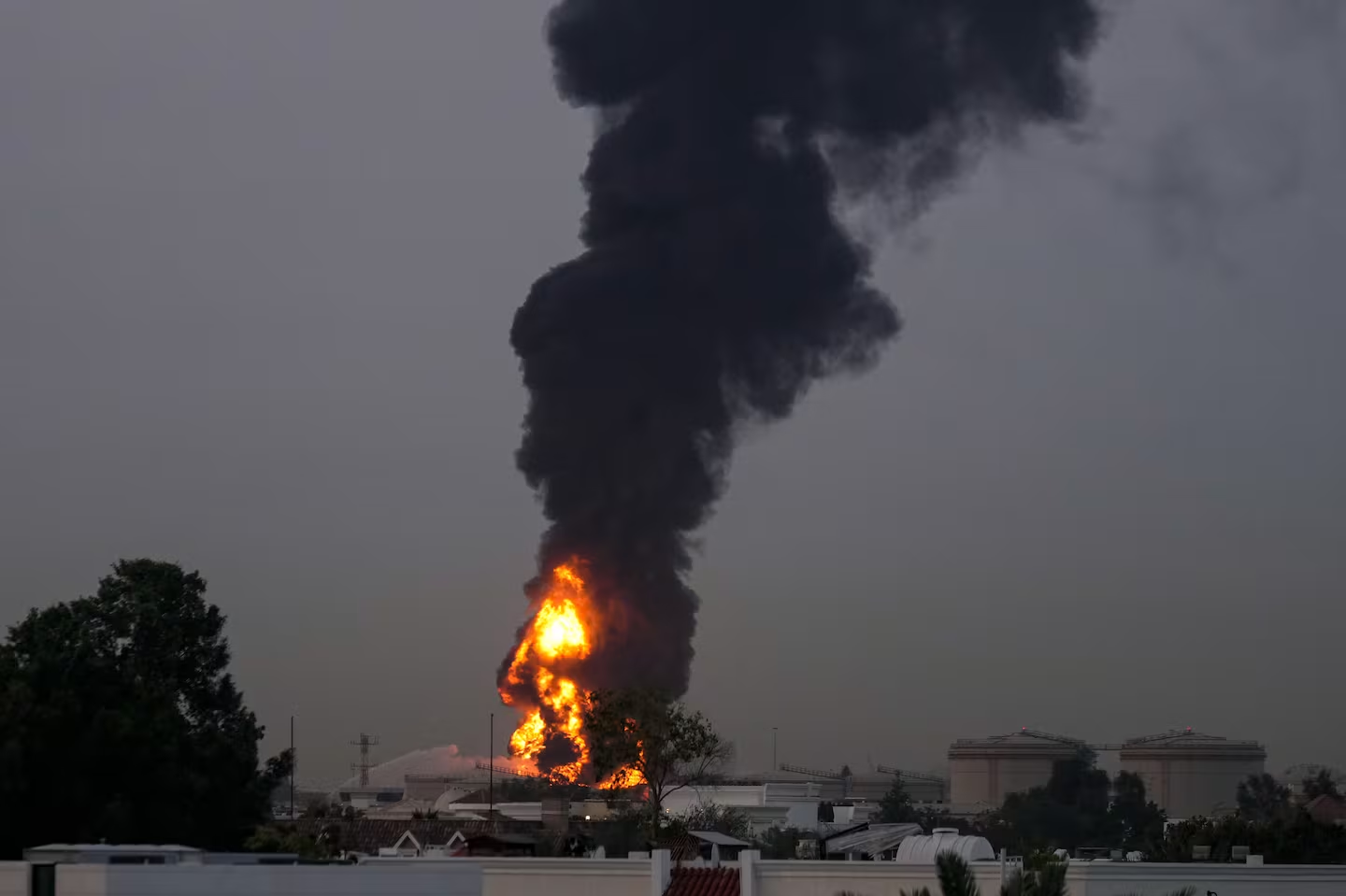
A drone strike near Dubai International Airport early Monday morning sparked a fire at a nearby fuel storage tank, forcing the temporary closure of all flights. Authorities confirmed that emergency crews quickly controlled the blaze, preventing major damage and casualties.
According to Daljoog News analysis, the incident underscores rising security concerns across the Gulf amid escalating regional conflicts, with critical infrastructure increasingly vulnerable to aerial attacks. The airport, one of the busiest in the world, was temporarily disrupted, highlighting potential risks to global air traffic and trade.
The attack adds to a series of recent strikes targeting strategic sites in the United Arab Emirates, reinforcing the need for enhanced surveillance and emergency preparedness in high-risk areas.
What Happened?
The drone reportedly struck a fuel storage tank close to Dubai International Airport, immediately triggering a fire. Dubai Civil Defense units responded within minutes, and after several hours, confirmed that the fire was fully contained. No casualties have been reported so far.
Airport authorities suspended all flight operations as a precaution. Incoming flights were diverted to alternative hubs, including Al Maktoum International Airport. Security forces closed surrounding roads and tunnels, establishing a perimeter while conducting emergency inspections. Passengers and staff in the affected area were evacuated safely.
Why This Matters
Dubai International Airport is a central hub for regional and global air traffic. A disruption of this magnitude, even briefly, can have ripple effects on international travel, cargo logistics, and the Gulf economy. Fuel storage sites and transport infrastructure are critical not only to aviation but also to the UAE’s broader energy and trade sectors.
Security analysts point out that repeated drone and missile activity in the Gulf region raises the stakes for civilian infrastructure. Protecting strategic sites has become increasingly challenging amid ongoing regional conflicts.
What Analysts or Officials Are Saying
Officials note that since the escalation of hostilities in the Middle East, Iran has launched over 1,800 drones and missiles toward the UAE. Most were intercepted by defense systems, but the sheer frequency of attacks increases risks to ports, airports, and energy installations.
The UAE Ministry of Defense confirmed six fatalities linked to recent conflict-related incidents—four civilians and two military personnel, the latter resulting from a helicopter accident reportedly caused by technical failure. Analysts warn that further attacks could disrupt aviation, trade, and regional economic stability if protective measures fail.
Daljoog News Analysis
Daljoog News analysis indicates that the Dubai airport strike reflects the growing vulnerability of Gulf infrastructure amid asymmetric warfare. While current damage was contained, repeated drone activity could escalate into a larger operational threat, forcing airlines and governments to reassess risk protocols.
This incident highlights the interconnectedness of regional security and global commerce. Even localized strikes can have international implications, affecting air traffic flow, energy supply chains, and investor confidence. Dubai’s swift emergency response demonstrates readiness, but the persistent threat underscores the broader geopolitical tensions in the Gulf.
What Happens Next
Authorities continue to monitor the situation closely. Flight operations will resume gradually once security teams confirm the airport’s safety. Passengers are advised to contact their airlines for updated schedules and travel guidance.
Security experts anticipate increased surveillance and potentially more robust aerial defense measures across key UAE installations. Regional governments may also intensify diplomatic efforts to reduce the risk of further strikes, but analysts warn that the threat of drones and missiles targeting civilian infrastructure is likely to remain in the near term.