

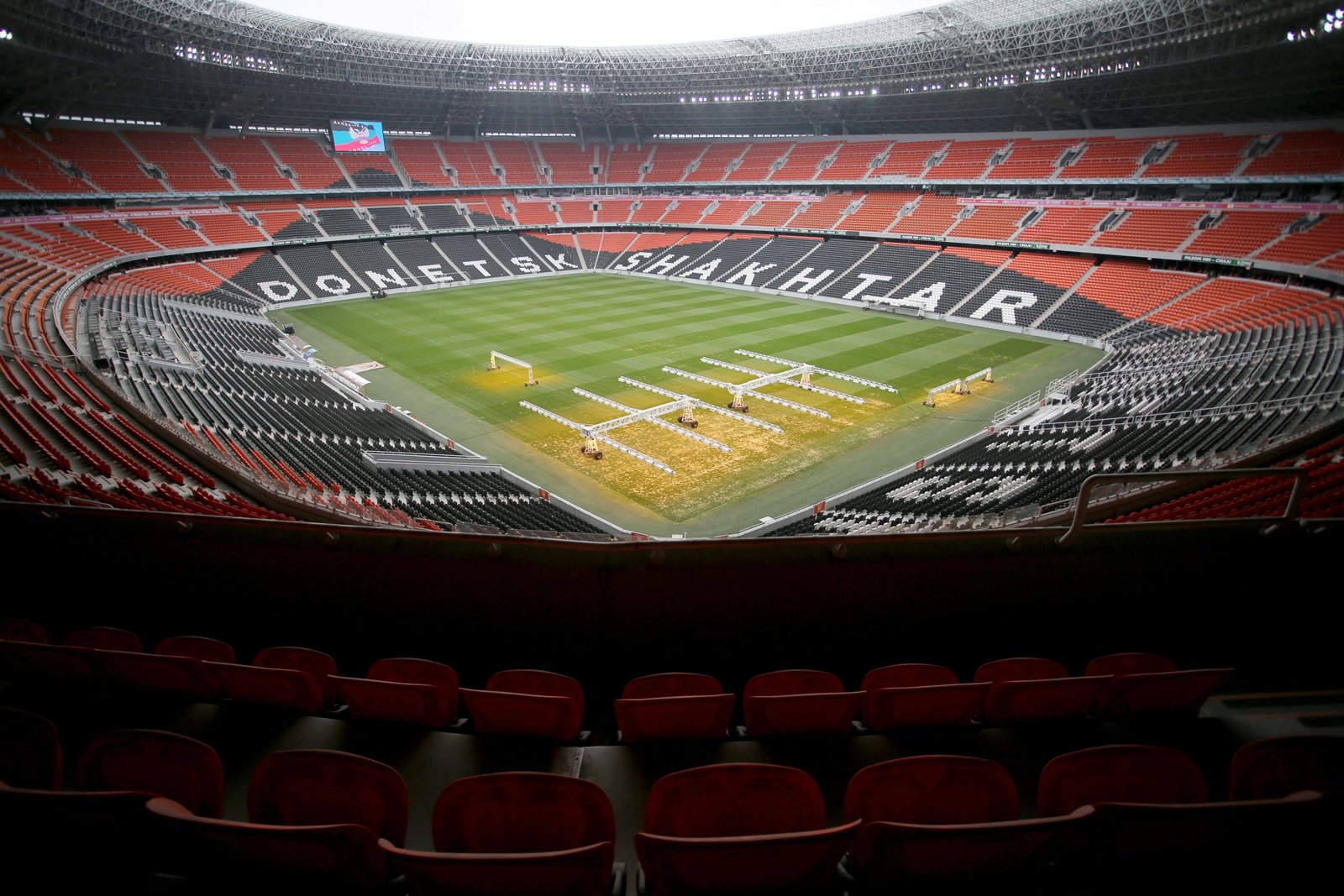
Ukrainian football club Shakhtar Donetsk is using London as a base for its European campaign because the war has prevented the team from playing regular home matches in Ukraine. The club’s move reflects the continuing effect of the conflict on sport, travel and daily life. Even as teams compete internationally, they must deal with the loss of familiar stadiums and the challenges of organising matches away from home.
Shakhtar has a long history in Ukrainian football and has competed regularly in European tournaments. Playing outside the country changes the experience for players and supporters. The team must travel for training and matches, while fans may find it difficult or impossible to attend games. A temporary base also means that the club has to work with new facilities and local arrangements rather than relying on its normal home environment.
Football clubs can provide a sense of identity during difficult periods. For supporters who have been displaced or separated from their communities, following a team may offer a connection to home. The club’s participation in European competition also keeps Ukrainian football visible to international audiences. Players and staff face the sporting challenge of maintaining performance while dealing with the uncertainty caused by war.
The arrangement in London is a practical response to a situation that has continued for years. It allows Shakhtar to keep competing, but it cannot replace the experience of playing at home in front of its own supporters. The club’s situation also shows how conflict affects sport far beyond the pitch, shaping travel plans, finances, training and the lives of fans. For now, Shakhtar must focus on its matches while hoping that conditions will eventually allow football to return to a safer and more stable home environment.