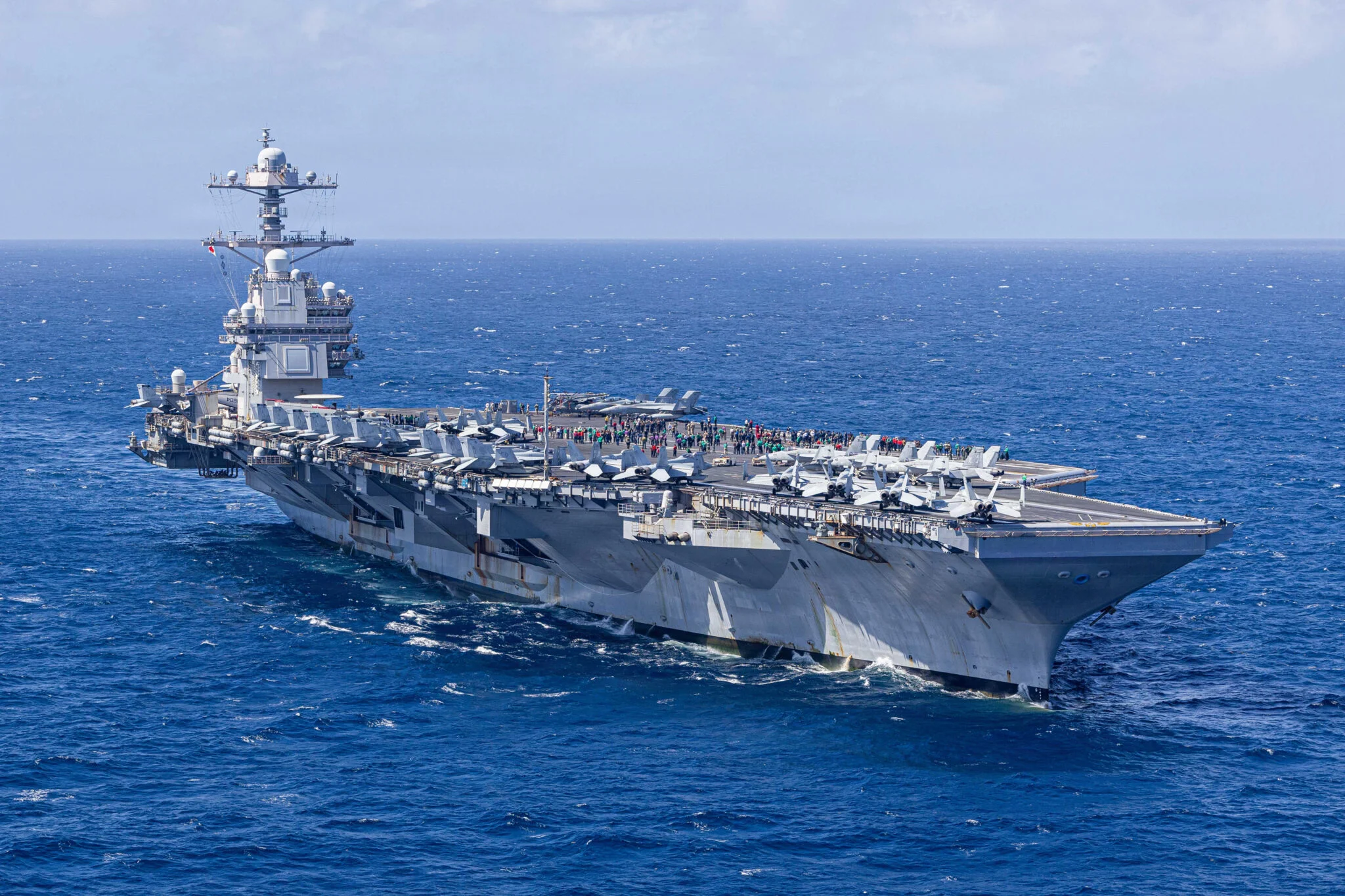



The United States may be preparing a potential ground offensive in Iran, according to military analysts. Strategic planning reportedly focuses on disabling Iran’s radar and communication networks before any direct deployment of troops.
According to Daljoog News analysis, early strikes would likely include extensive aerial bombardment aimed at neutralizing Iran’s defense systems and establishing a secure path for U.S. forces. This approach reflects lessons learned from prior regional conflicts and underscores the complexity of operating in the Gulf.
The timing of such operations, combined with Iran’s preemptive preparations, could make any offensive highly risky. Control over key islands in the Persian Gulf could directly affect global oil flows and reshape regional power dynamics.
What Happened?
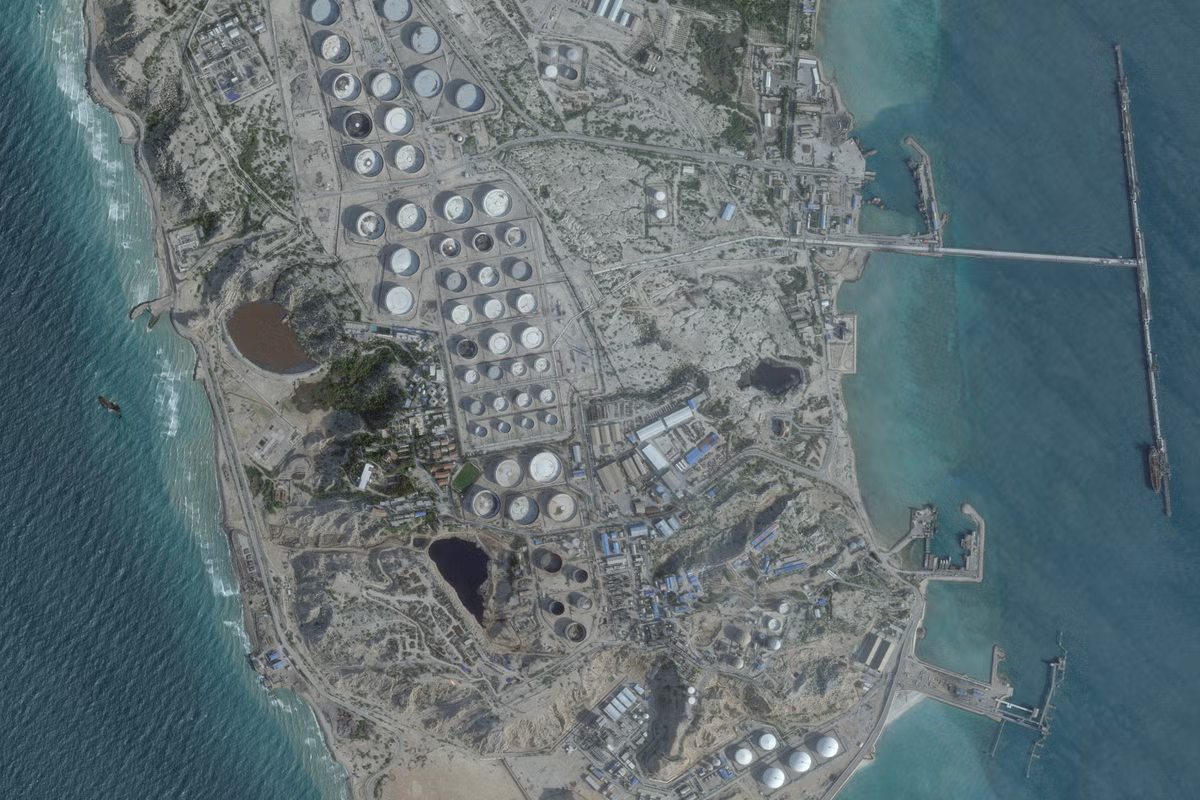
Reports indicate that U.S. planners are focusing on three critical islands, with Khark Island at the top of the list. Khark handles nearly 90 percent of Iran’s oil exports, and seizing it would significantly disrupt the country’s economic infrastructure.
Other targets include Abu Musa and the surrounding smaller islands, valued for their strategic geographic positions. The largest challenge is Qeshm Island, which hosts extensive tunnel networks and stockpiles of drones and missiles, making it heavily fortified and difficult to capture.
Military analysts warn that any ground operation would face stiff Iranian resistance. Iran has reportedly strengthened its Mosaic defense system and decentralized its command structure, creating 31 independent units capable of launching missile or drone attacks autonomously. This allows local forces to respond quickly even if central command is compromised.
Why This Matters
The islands in question are not only key to Iran’s energy exports but also central to regional security. Controlling them would give the U.S. leverage over Persian Gulf shipping lanes and oil flows, potentially destabilizing markets worldwide.
Iran’s defensive strategy suggests a shift toward guerrilla-style tactics, avoiding open confrontation while targeting U.S. forces with missiles and drones. Analysts note that this could significantly slow or complicate any ground operation, increasing the risk of casualties and operational failure.
What Analysts or Officials Are Saying
Military strategists highlight the logistical challenges for U.S. forces, particularly resupply. With the Strait of Hormuz under Iranian control, large naval deployments are restricted, meaning the U.S. would likely rely heavily on airlift operations to sustain troops on the islands.
Experts warn that even limited engagement could escalate into broader conflict, drawing in regional allies and affecting global energy supply. Analysts also point to Iran’s decentralized command and fortified positions as major obstacles to conventional military approaches.
Daljoog News Analysis
The potential for U.S. ground operations underscores the fragile balance in the Persian Gulf. Daljoog News analysis suggests that while the U.S. may achieve short-term tactical gains, prolonged engagement could expose forces to sustained attacks, logistical strain, and regional backlash.
Iran’s combination of missile capabilities, drones, and guerrilla tactics makes any direct assault high-risk. Moreover, the geopolitical ramifications of seizing key islands could provoke retaliation against U.S. allies in the region, potentially expanding the conflict beyond the immediate targets.
What Happens Next
Monitoring and preparation are likely to continue as U.S. forces weigh options. Analysts expect aerial and cyber operations to precede any ground deployment, while diplomatic channels may attempt to mitigate escalation.
If a ground offensive occurs, the key indicators to watch will include movement toward Khark, Abu Musa, and Qeshm, as well as Iran’s defensive responses. Any disruption to shipping lanes or energy exports could have immediate global consequences.