



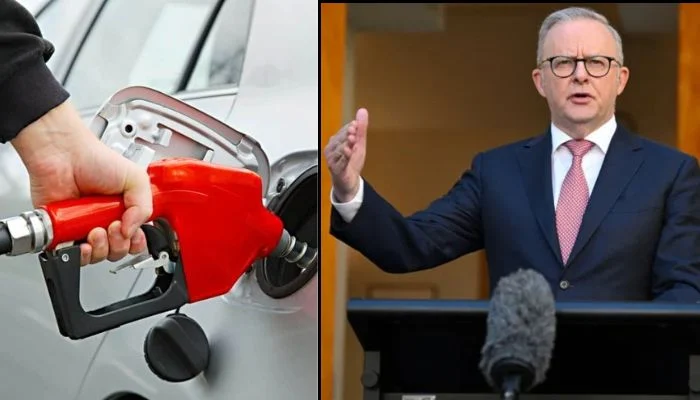
Australia’s Prime Minister Anthony Albanese has announced a 50 percent reduction in fuel taxes to help citizens and businesses cope with rising energy costs.
According to Daljoog News analysis, the move comes as global oil prices surge and gas supply remains unpredictable, putting significant financial pressure on households and the commercial sector.
The timing is critical as countries worldwide grapple with energy instability, making Australia’s initiative a potential model for both economic relief and sustainable energy management.
What Happened?
The Australian government has cut fuel taxes by half, aiming to lower monthly expenditures for households and ease operational costs for businesses.
Finance officials highlighted that high energy prices have strained family budgets and business profitability. By reducing the tax burden, the government intends to provide immediate financial relief while maintaining economic stability.
The policy also encourages responsible fuel consumption across the nation. Authorities emphasized that tax relief will be paired with initiatives to promote environmentally friendly energy practices.
This measure comes amid rising international oil prices and fluctuating gas supplies, which have amplified inflationary pressures and increased living costs.
Why This Matters
The fuel tax reduction directly impacts Australians’ day-to-day expenses, helping households save on commuting and other energy-related costs.
Businesses, particularly in transport and manufacturing sectors, may see reduced operational costs, potentially stabilizing prices for goods and services.
On a broader scale, the move could influence global markets by slightly easing demand pressures and providing an example for other nations dealing with similar energy crises.
Analysts note that balancing economic relief with environmental goals is a key challenge. Australia aims to use the policy to encourage energy efficiency and reduce carbon emissions, despite lowering taxes temporarily.
What Analysts or Officials Are Saying
Experts suggest the tax cut could act as a short-term economic buffer, preventing further strain on households and small businesses.
Some economists warn, however, that while consumer relief is immediate, sustaining energy supply and transitioning to renewable sources remain long-term priorities.
Officials emphasize that complementary measures, including incentives for cleaner energy use and stricter efficiency standards, will accompany the tax reduction to align with Australia’s environmental commitments.
Analysts also note the potential ripple effect in the Asia-Pacific energy markets, where Australia’s policy may inspire similar interventions in other nations facing rising fuel costs.
Daljoog News Analysis
Australia’s approach balances immediate economic relief with a longer-term sustainability agenda. By reducing fuel taxes, the government addresses urgent cost-of-living pressures without abandoning its environmental targets.
Daljoog News analysis suggests this move may improve consumer confidence and business stability while demonstrating a pragmatic response to global energy volatility.
The initiative also highlights the interconnectedness of domestic policy and international energy markets. Rising oil and gas prices affect economies worldwide, and national measures like this can influence market behavior and regional strategies.
What Happens Next
Households and businesses will likely feel relief in the coming months, especially as fuel prices stabilize due to reduced taxes.
Government monitoring will focus on both economic impacts and energy consumption patterns to ensure the policy achieves its dual goals of relief and sustainability.
Globally, observers will watch if other countries adopt similar tax adjustments in response to international energy market fluctuations.
While the tax cut provides immediate relief, the broader challenge of energy security and environmental responsibility remains, requiring ongoing attention and policy innovation.