


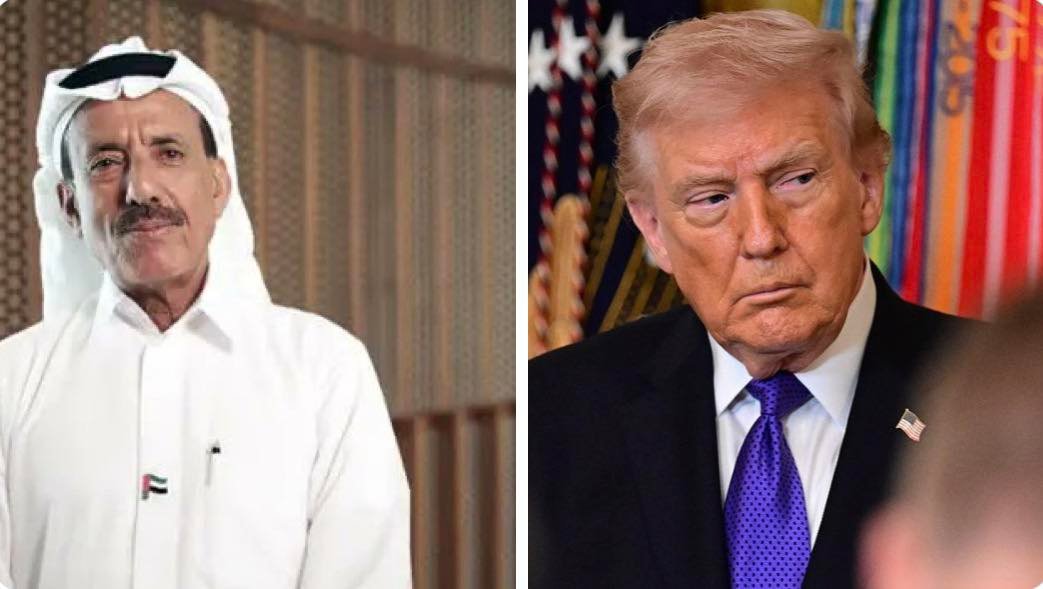
Former UN nuclear watchdog chief Mohamed ElBaradei has sharply criticised Donald Trump over his recent warning directed at Iran, raising fresh alarm about escalating tensions in the Middle East. His remarks come as geopolitical pressure in the region continues to intensify.
According to Daljoog News analysis, ElBaradei’s unusually direct language reflects growing unease among senior global figures about the potential consequences of aggressive rhetoric. His intervention signals that concerns are no longer confined to regional actors but are spreading across the international diplomatic community.
The exchange follows renewed friction over Iran and the strategic importance of the Strait of Hormuz, a vital route for global energy supplies. Any escalation in this area could have immediate and far-reaching global consequences.
What Happened?
Tensions rose after Trump issued a strong warning to Iran through his social media platform, calling for a rapid agreement and setting a strict 48-hour deadline. He indicated that failure to comply could trigger severe consequences, raising fears of potential military escalation.
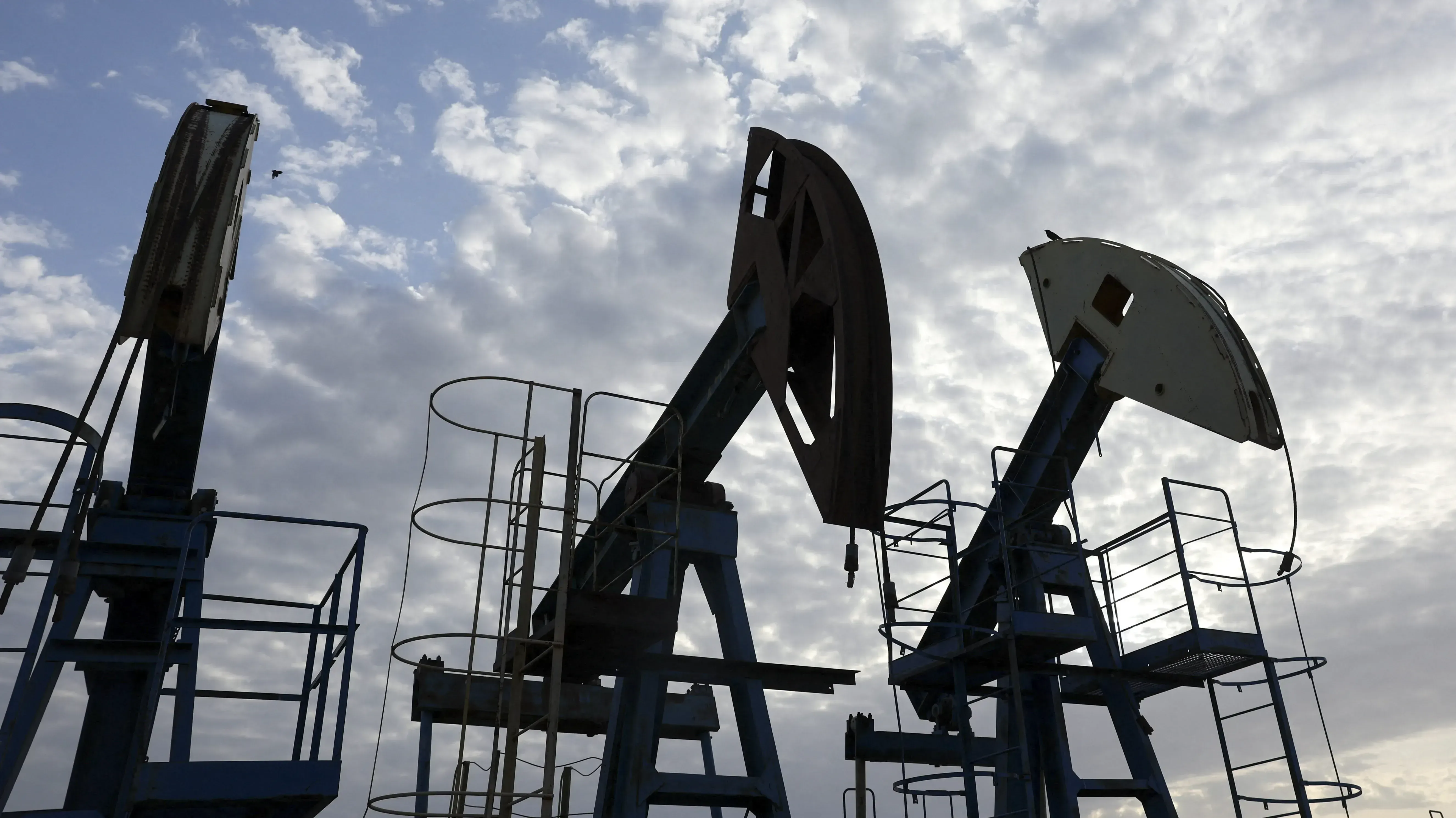
The warning also referenced the Strait of Hormuz, a critical maritime chokepoint through which a significant portion of the world’s oil supply passes. Any disruption there would likely send shockwaves through global markets.
In response, ElBaradei took to social media to condemn the tone and implications of Trump’s message. He urged regional and global leaders to act swiftly to prevent a dangerous escalation. His statement included a direct appeal to Gulf nations to use all available means to avoid a broader crisis.
Beyond regional actors, ElBaradei also called on major international players to intervene diplomatically. He specifically pointed to global institutions and key governments that have historically played roles in conflict de-escalation.
Why This Matters
The situation highlights the fragile balance in the Middle East, where rhetoric can quickly translate into real-world consequences. Statements from influential political figures often shape expectations and reactions on the ground.
The Strait of Hormuz remains one of the most sensitive points in global energy security. Any threat to its stability could disrupt oil supplies, increase prices, and affect economies far beyond the region.
Additionally, the exchange underscores the broader risks tied to US-Iran tensions. Past confrontations have shown how quickly incidents can escalate, especially when communication channels are strained.
For global powers, the stakes are high. A conflict involving Iran could draw in multiple countries, either directly or indirectly, creating a wider regional or even global crisis.
What Analysts or Officials Are Saying
Analysts say ElBaradei’s remarks reflect deep concern about the tone of current political discourse. His criticism is seen as a warning that diplomatic norms are under pressure at a time when restraint is most needed.
Experts also note that Trump’s approach aligns with a pattern of high-pressure tactics aimed at forcing rapid concessions. While such strategies can produce short-term results, they also carry significant risks if miscalculated.
International observers are increasingly calling for calm and renewed dialogue. Institutions like United Nations and the European Union are expected to play roles in encouraging diplomatic engagement.
Leaders such as Emmanuel Macron have previously advocated for dialogue with Iran, and similar positions may gain traction as tensions rise. Meanwhile, major powers including China and Russia are also being urged to use their influence to prevent escalation.
Daljoog News Analysis
ElBaradei’s intervention is notable not just for its content, but for its urgency. It reflects a broader concern that current geopolitical tensions are entering a more volatile phase, where traditional diplomatic guardrails may be weakening.
Trump’s rhetoric, while consistent with his past approach, introduces a level of unpredictability that complicates crisis management. Deadlines and public ultimatums can limit flexibility, making it harder for opposing sides to step back without losing face.
At the same time, the response from figures like ElBaradei suggests that global institutions and experienced policymakers are increasingly willing to speak out. This could signal a push for more proactive diplomacy before tensions reach a breaking point.
The broader risk lies in cumulative escalation. Multiple flashpoints, from the Middle East to other regions, are creating an environment where a single misstep could have amplified consequences.
What Happens Next
Attention will now turn to how Iran responds and whether diplomatic channels remain open. Any sign of military movement or disruption in the Strait of Hormuz would likely trigger immediate global concern.
International actors may increase efforts to mediate, particularly if rhetoric continues to intensify. Behind-the-scenes diplomacy could play a critical role in preventing further escalation.
Markets will also be watching closely. Energy prices often react quickly to developments in the region, making this not just a political issue but an economic one as well.
Ultimately, the coming days will be critical. Whether the situation stabilizes or escalates further will depend on how key players balance pressure with restraint in an already tense geopolitical environment.