



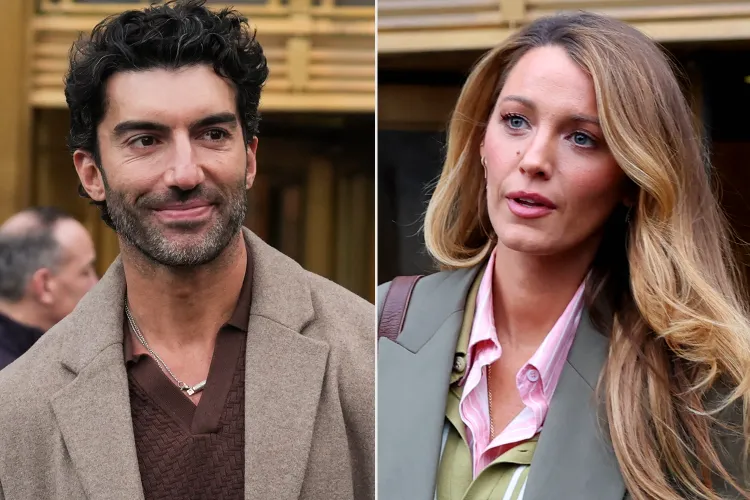
Hollywood star Blake Lively suffered a partial setback in her ongoing legal battle with fellow actor Justin Baldry. A federal court has dismissed 10 of the 13 claims Lively filed, including high-profile sexual harassment allegations.
According to Daljoog News analysis, the ruling underscores the legal complexities surrounding workplace disputes in entertainment, especially when federal statutes intersect with creative professions.
The case, ongoing for over a year, remains significant not only for the actors involved but also for its broader reflection on power dynamics, online harassment, and professional accountability in Hollywood.
What Happened?
Blake Lively had filed 13 claims against Justin Baldry, ranging from sexual harassment to breach of contract and retaliatory behavior. The court ruled that 10 of these claims were inadmissible under federal law, citing Baldry’s status as an independent artist and the nature of the alleged actions.
Despite this partial victory, three major claims—pertaining to alleged retaliatory conduct, facilitation of harassment, and breach of contract—remain unresolved. The court is expected to deliver decisions on these remaining points in May.
Lively’s legal team has stressed that the dismissed claims do not negate the seriousness of the remaining allegations, highlighting ongoing concerns about professional misconduct and workplace safety.
Why This Matters
The Lively-Baldry case has attracted attention far beyond the courtroom. Industry insiders view it as a symbol of the challenges faced by women in Hollywood, particularly regarding mental and social harassment in the digital age.
Online attacks and character assaults, according to Lively, can have psychological impacts comparable to physical harm, emphasizing the stakes of the trial. This case reflects a growing recognition that workplace harassment is not only physical but also emotional and reputational, with long-term effects on careers.
What Analysts or Officials Are Saying
Legal analysts note that the court’s dismissal of certain claims is tied to procedural and statutory factors, rather than an assessment of the underlying behavior. Experts stress that independent contractor status often complicates federal harassment claims, limiting the scope of legal remedies.
Entertainment industry commentators also see the case as a test of accountability measures within Hollywood. The decision could influence how studios and talent agencies structure contracts and address complaints in future disputes.
Daljoog News Analysis
Blake Lively’s approach frames the case as more than a personal dispute. She highlights systemic issues of online harassment and professional intimidation, casting the trial as a reflection of broader societal concerns in the digital era.
While the court’s partial dismissal may appear to favor Baldry, the unresolved claims continue to signal potential precedent-setting outcomes for how harassment, retaliation, and contractual obligations are handled in creative industries.
This ongoing litigation underscores the need for clear workplace protections, particularly for women navigating the intersection of public visibility and professional vulnerability.
What Happens Next
The remaining three claims are set for adjudication in May. Observers anticipate that the ruling will clarify legal responsibilities around retaliatory conduct and contract enforcement in entertainment.
Fans and industry professionals alike are watching closely, as the outcome may influence workplace norms, online conduct policies, and the balance of power within Hollywood.