



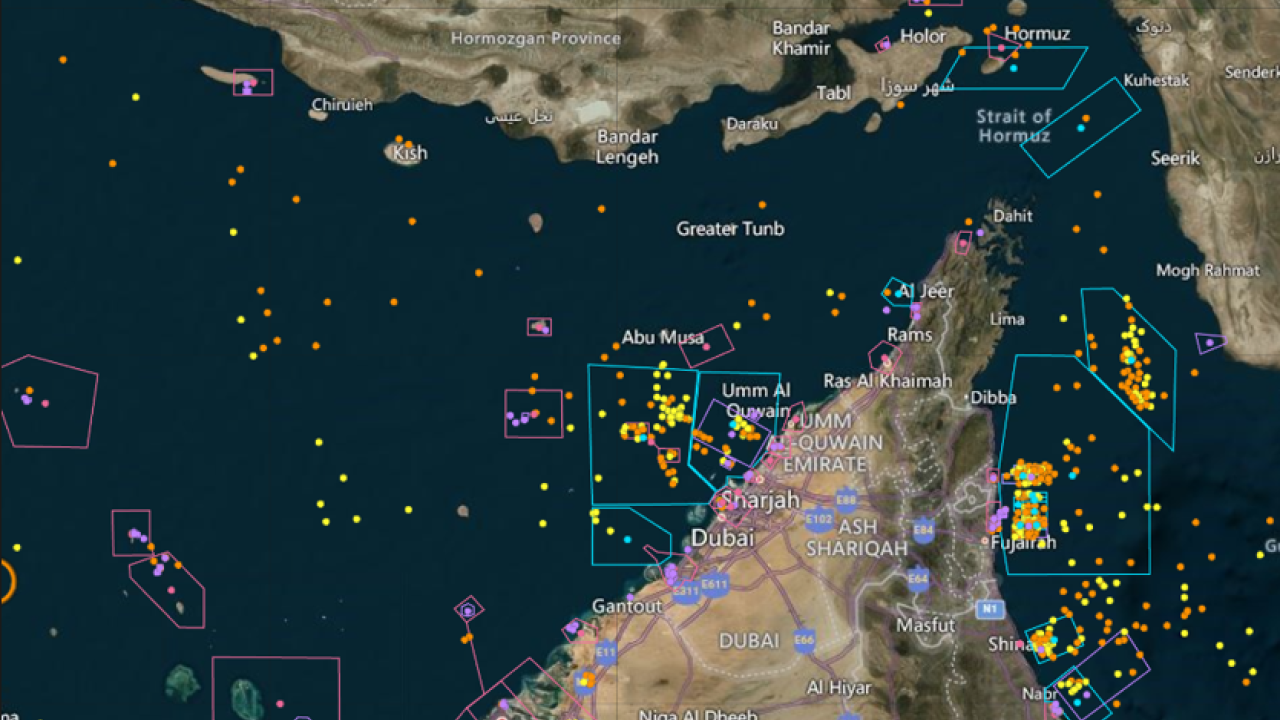
US Iran Hormuz Strait tensions have sharply escalated after Washington warned that any party financially supporting Tehran could face serious risks to their maritime operations. The warning centers on growing concerns over shipping security in one of the world’s most critical waterways.
According to Daljoog News analysis, the statement reflects a calculated move by the United States to deter both Iran and its economic partners by linking financial engagement to potential maritime disruption.
The timing is significant as global energy markets remain sensitive to instability in the Gulf, where even limited interference can disrupt supply chains and push up costs worldwide.
What Happened?
The United States issued a direct warning accusing Iran of interfering with international shipping through the Hormuz Strait. President Donald Trump claimed Tehran is creating artificial instability and pressuring vessels to pay illegal fees to pass safely.
US officials argue that Iran is using fears of naval mines to justify tighter control over ship movements. This, they say, has already slowed normal maritime traffic and raised concerns among commercial operators.
Trump made it clear that Washington would not tolerate such actions. He signaled readiness to remove potential threats in the water, including mines, to ensure uninterrupted navigation.
He also warned that any attack on US or commercial vessels would be met with a strong response, raising the stakes in an already tense environment.
Why This Matters
US Iran Hormuz Strait tensions carry global consequences due to the strategic importance of the waterway. A large share of the world’s oil supply passes through this narrow route, making it a vital artery for global trade.
Disruptions in the strait could drive up shipping costs and insurance premiums, with immediate effects on energy prices. Even the perception of risk can cause market volatility.
The situation also increases the likelihood of military escalation. With both sides signaling readiness to act, the risk of miscalculation grows, especially in a congested maritime zone.
Beyond immediate risks, the tensions reflect deeper geopolitical divisions over Iran’s regional influence and nuclear ambitions, suggesting the dispute may not be resolved quickly.
What Analysts or Officials Are Saying
US officials frame the warning as necessary to protect international navigation and maintain stability in global trade routes. They emphasize that freedom of movement at sea is a core strategic priority.
Iran’s Islamic Revolutionary Guard Corps responded with its own warning, stating that any hostile move in the Hormuz Strait would bring serious consequences. Iranian authorities insist they are maintaining security in the region while remaining ready to respond to threats.
Analysts view the exchange as a form of strategic signaling. Both sides are demonstrating strength without immediate escalation, but the continued rhetoric raises the risk of unintended confrontation.
Daljoog News Analysis
The rise in US Iran Hormuz Strait tensions highlights how maritime routes have become a central battleground in modern geopolitical rivalry. Control over such chokepoints offers both economic and strategic leverage.
Washington’s approach appears aimed at isolating Iran economically while reinforcing its dominance over global shipping security. By extending the warning to third parties, the US is broadening the scope of its pressure campaign.
Iran, however, continues to use the strait as a strategic asset. Maintaining influence in this corridor allows Tehran to respond asymmetrically to external pressure without engaging in direct large-scale conflict.
The danger lies in the narrowing space for de-escalation. As both sides increase pressure, even a minor incident could rapidly spiral into a larger confrontation.
What Happens Next
In the coming weeks, increased military monitoring and naval deployments are likely in the Hormuz Strait as both sides seek to assert control and deter threats.
Diplomatic efforts may also intensify, particularly among countries dependent on stable energy flows. However, meaningful progress will depend on a reduction in rhetoric from both Washington and Tehran.
Shipping companies are expected to remain cautious, adjusting routes or security measures as needed. Markets will closely watch any developments that could signal disruption.
For now, US Iran Hormuz Strait tensions remain contained but fragile. The next phase will depend on whether both sides choose restraint or continue escalating pressure.