



Istanbul Canal project is moving forward in Turkey as authorities continue work on an ambitious artificial waterway linking the Black Sea and the Sea of Marmara. The plan aims to create a toll-based shipping corridor designed to rival some of the world’s most important maritime routes.
According to Daljoog News analysis, the Istanbul Canal project reflects a wider global trend where countries are increasingly treating strategic geography as a source of long-term economic revenue and geopolitical leverage.
The timing of the project comes amid heightened attention on global shipping chokepoints, where disruptions and strategic competition have placed renewed focus on alternative trade routes and infrastructure control.
What Happened?
The Istanbul Canal project is being developed as a man-made alternative to the Bosphorus Strait, one of the busiest and most sensitive waterways in global shipping. The canal would directly connect the Black Sea with the Sea of Marmara, allowing vessels to bypass existing natural traffic routes.
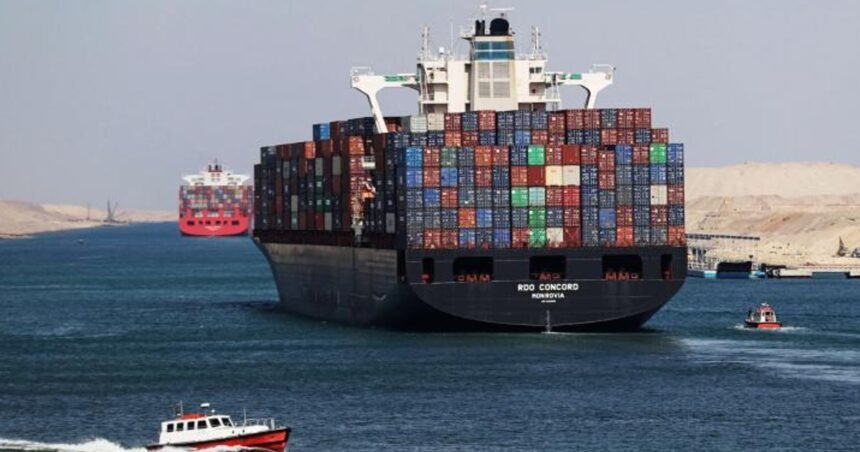
Turkish authorities estimate that the canal could accommodate around 160 ships annually, including oil tankers and large cargo vessels. The system is designed as a toll-based corridor, similar in structure to the Suez Canal in Egypt and the Panama Canal, both of which generate significant national revenue through transit fees.
The total cost of the Istanbul Canal project is estimated at approximately £20 billion. Around £12 billion is allocated for excavation and construction, while an additional £8 billion is planned for surrounding infrastructure, including urban expansion and development along the route. Officials have indicated a target completion date around 2027, though large-scale infrastructure timelines often shift due to financing and engineering challenges.
Why This Matters
The Istanbul Canal project represents a major shift in how Turkey may position itself within global trade networks. By introducing a controlled shipping corridor, the country could gain a new and potentially significant revenue stream from international maritime traffic.
Global comparisons are increasingly being drawn with the Suez Canal, one of the world’s most profitable trade routes. Between 2019 and 2024, Suez Canal revenues reached roughly $40 billion, with projections suggesting continued growth in the coming years depending on global trade stability and regional security conditions.
For Turkey, replicating this model would not only diversify income sources but also strengthen its role in maritime logistics. However, it also raises long-term questions about environmental impact, regional shipping balance, and geopolitical sensitivity in one of the world’s most strategic transit regions.
What Analysts or Officials Are Saying
Maritime analysts say the Istanbul Canal project reflects a broader shift toward monetizing strategic waterways through structured toll systems. Unlike natural straits, artificial canals allow governments to directly regulate and price access to global shipping lanes.
Experts also point out that such infrastructure projects require consistent trade volumes and long-term political stability to remain economically viable. While artificial canals like Suez and Panama have proven highly profitable, they also depend heavily on global shipping demand and geopolitical conditions.
Some industry observers suggest that if similar toll-based systems were formally extended or replicated in other strategic maritime zones, global revenue from such corridors could increase significantly. However, they also caution that regulatory, environmental, and diplomatic constraints remain major obstacles.
Daljoog News Analysis
The Istanbul Canal project highlights a growing global competition over infrastructure-based economic power. Countries are no longer only competing over resources or manufacturing capacity but also over control of trade routes themselves.
Turkey’s strategy reflects an attempt to transform geography into a long-term revenue asset. If successful, it could reshape the country’s economic profile and increase its influence in regional maritime governance.
However, the project carries structural risks. Large-scale artificial waterways require decades of maintenance, stable demand, and careful political management. Any disruption in global shipping patterns could directly affect projected revenue.
There is also a broader strategic dimension. A new controlled corridor near Istanbul could alter regional shipping dynamics and potentially influence how global powers engage with Turkey on trade and security issues. This makes the Istanbul Canal project not only an economic initiative but also a geopolitical instrument.
What Happens Next
The Istanbul Canal project is expected to enter a more detailed phase of financial planning, environmental review, and international scrutiny. Funding structure and investor confidence will play a key role in determining whether the 2027 timeline remains realistic.
Shipping companies and global trade operators will closely monitor cost structures to assess whether the new route can compete with established waterways such as Suez. Their participation will ultimately determine the commercial viability of the project.
As planning continues, the project remains one of the most closely watched infrastructure developments in the region, with potential implications far beyond Turkey’s borders.