


Balikatan drill Trump effigy protest erupted in the Philippines as the start of a large-scale US-led joint military exercise triggered street demonstrations and political backlash in Manila.
The exercise, involving more than 17,000 troops from seven countries, has intensified debate over foreign military presence and its impact on national sovereignty and regional stability.
According to Daljoog News analysis, Balikatan drill Trump effigy protest highlights growing public concern in Southeast Asia over expanding military cooperation amid rising geopolitical tensions in the Indo-Pacific.
What Happened?
Balikatan drill Trump effigy protest unfolded as the annual Balikatan military exercises officially began in the Philippines, drawing forces from the United States and several allied nations.
The drills include participation from Japan, Australia, Canada, France, and New Zealand, making it one of the largest coordinated military exercises in the region this year, with over 17,000 personnel involved.
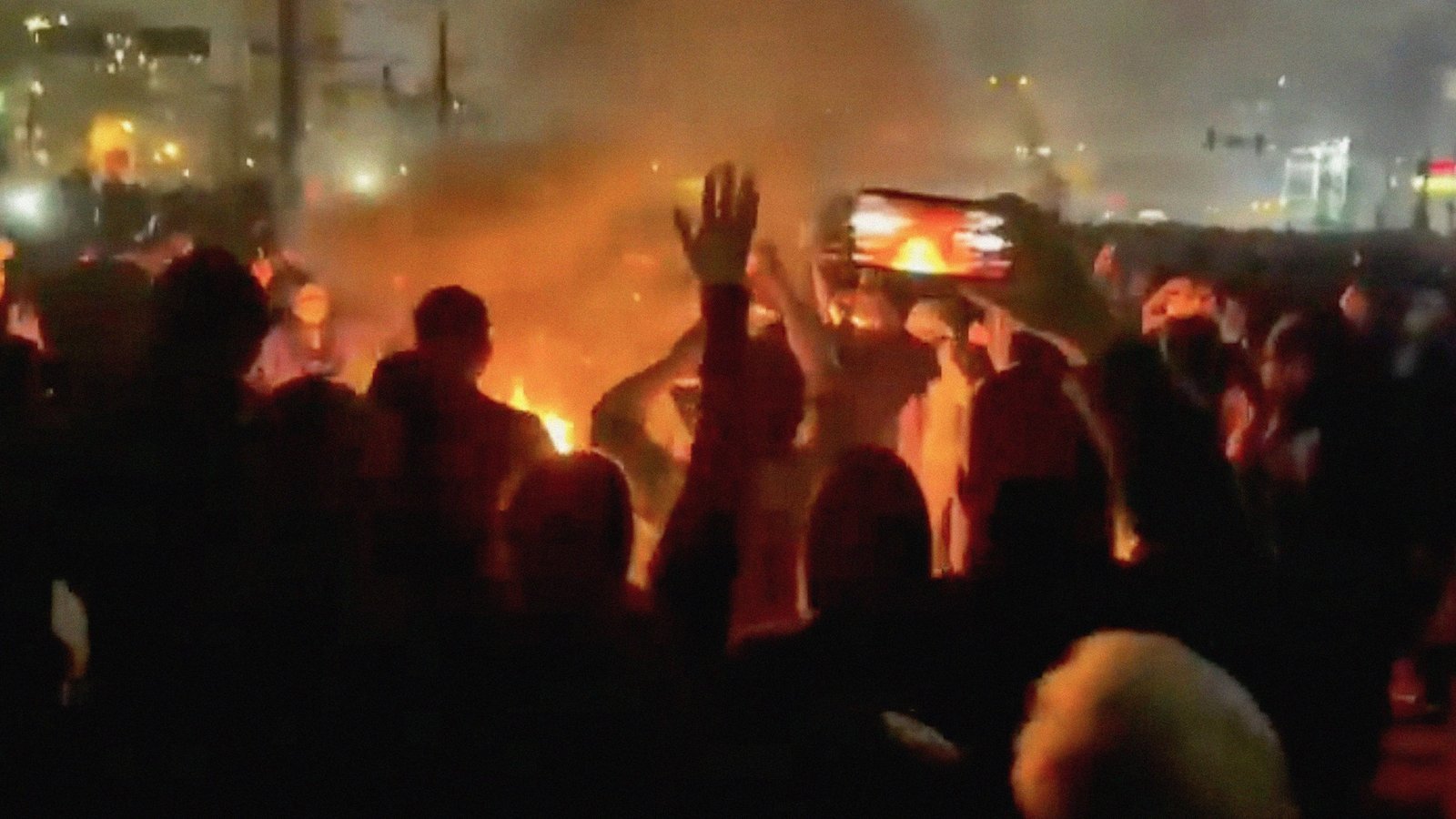
In Manila, protesters gathered to express opposition to the scale and scope of the exercise, with some demonstrations including symbolic acts such as the burning of effigies, reflecting strong political dissatisfaction.
Demonstrators argued that Balikatan drill Trump effigy protest reflects concerns that such military activities could draw the Philippines deeper into regional conflicts, particularly amid rising tensions in the South China Sea.
Meanwhile, Japan’s participation includes live-fire testing of its Type 88 anti-ship missile, marking a significant expansion in operational military coordination among participating nations.
Why This Matters
Balikatan drill Trump effigy protest underscores the growing divide between government security strategies and public opinion in parts of Southeast Asia.
The exercises are designed to strengthen military readiness and interoperability among allied forces, but they also raise concerns about sovereignty and long-term regional militarization.
Public opposition in Manila reflects broader anxieties about whether large-scale foreign military exercises serve national interests or increase geopolitical risk exposure.
At the same time, participating nations view the drills as necessary to maintain stability and deterrence in a region marked by increasing strategic competition.
What Analysts or Officials Are Saying
Security analysts say Balikatan drill Trump effigy protest is part of a wider regional pattern where military cooperation is increasingly met with domestic resistance.
Experts note that the Indo-Pacific has become a focal point for strategic rivalry, particularly due to ongoing disputes in the South China Sea and shifting alliance structures.
In Japan, public debate over constitutional revision—especially Article 9, which limits military action—continues to add political sensitivity to expanded defense activities.
Officials involved in the exercises maintain that the drills are defensive in nature and aimed at improving readiness and coordination among partner forces.
However, critics argue that the growing scale of such operations risks escalating tensions and undermining public confidence in regional security policies.
Daljoog News Analysis
Balikatan drill Trump effigy protest reveals the increasing complexity of modern security alliances, where military strategy and public perception often collide.
While governments emphasize deterrence and preparedness, sections of the public view large-scale exercises as potential triggers for regional instability and economic diversion.
The symbolic nature of the protests, including the use of effigies, reflects deep emotional and political resistance to foreign military presence.
Daljoog News believes this growing tension highlights a structural challenge in the Indo-Pacific: balancing strategic cooperation with domestic legitimacy and public trust.
As military collaboration expands, managing public perception will become as important as operational readiness for participating nations.
What Happens Next
Balikatan drill Trump effigy protest is expected to continue alongside the ongoing military exercises, with further demonstrations likely in urban centers across the Philippines.
The participating countries are set to proceed with scheduled training operations, including joint naval and air drills aimed at enhancing coordination and response capabilities.
In Japan, constitutional and defense debates are expected to intensify as public opinion remains divided over expanding military roles.
Regional observers will closely watch whether public protests influence future adjustments to the scale or transparency of multinational military exercises in the Indo-Pacific.