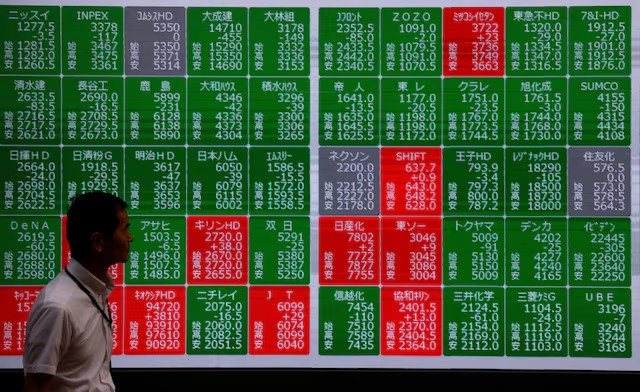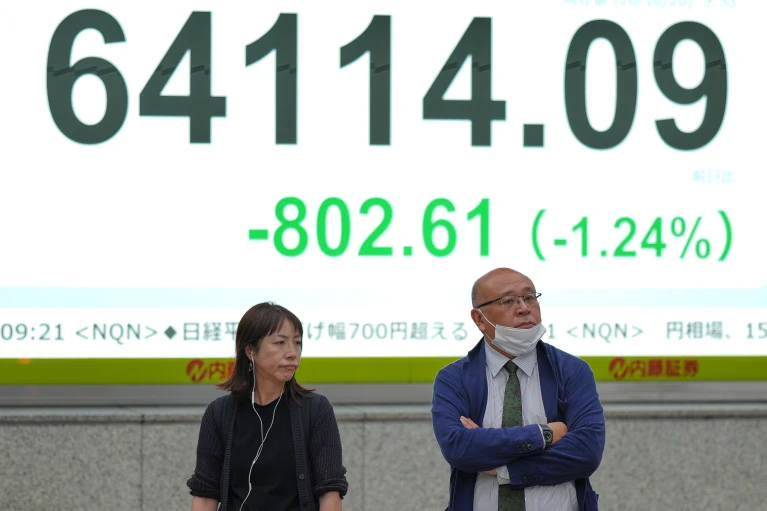




Shares tied to artificial intelligence infrastructure saw AI infrastructure stocks slide this week, as investors adopted a more cautious risk off posture amid rising oil prices, elevated bond yields, and growing concerns about persistent inflation pressures across the broader economy.
Companies focused on photonics, semiconductor testing, and specialized AI computing components experienced some of the steepest declines, with certain individual stocks within this sector falling by mid single digit percentages during a single volatile trading session this week.
This pullback comes despite the sector’s substantial gains throughout the year, driven by massive ongoing investment in artificial intelligence infrastructure that some economists estimate could account for a meaningful percentage of overall economic output growth during the current year.
Market strategists note that AI infrastructure stocks, having appreciated significantly, have become particularly sensitive to shifts in broader risk sentiment, with investors more willing to lock in substantial gains when facing uncertainty stemming from geopolitical tensions or interest rate concerns.
Rising oil prices, driven by escalating conflict between the United States and Iran, have contributed significantly to this cautious market mood, as higher energy costs raise concerns about broader inflationary pressure that could complicate the Federal Reserve’s approach to monetary policy in coming months.
Bond yields have climbed in tandem with these inflation concerns, creating additional headwinds for growth oriented technology stocks that typically face greater sensitivity to interest rate changes compared to more established, dividend paying companies across other sectors of the market.
Factory activity data released this week showed manufacturing conditions remaining relatively stable, though slightly below expectations, providing a mixed signal for investors trying to gauge the broader health of the economy amid these various crosscurrents affecting different market sectors.
Labor market data has similarly painted a picture of general stability, with job openings figures coming in largely in line with expectations, suggesting the overall economy continues functioning reasonably well even as specific sectors like AI infrastructure face heightened volatility.
Some analysts view this pullback as a healthy and expected correction following an extended period of substantial gains, rather than a fundamental reassessment of the longer term growth prospects for artificial intelligence infrastructure investment across the broader technology industry.
Institutional investors have reportedly used this period of volatility to reassess position sizing within their AI infrastructure holdings, with some choosing to trim exposure after substantial gains while others view the pullback as a potential buying opportunity given continued strong underlying demand fundamentals.
As markets continue navigating this complex environment combining geopolitical risk, inflation concerns, and evolving AI investment trends, analysts will be watching closely to see whether this week’s pullback in AI infrastructure stocks represents a temporary pause or the beginning of a more sustained shift in investor sentiment toward the sector.