


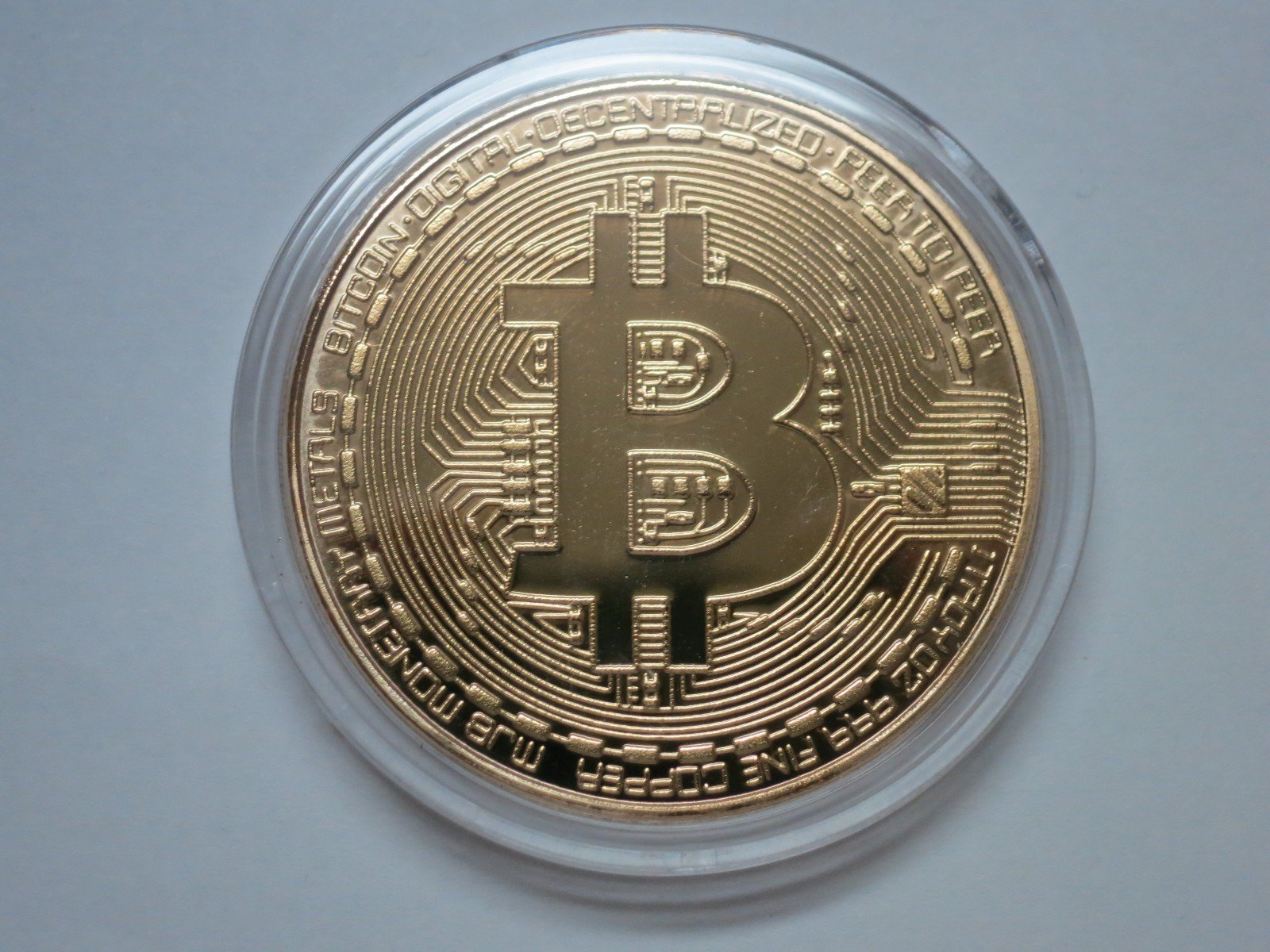
The leading cryptocurrency fell sharply this week in a clear Bitcoin drops rate hike bets driven reaction, trading down more than three percent to near 76,500 dollars per token as investors priced in a growing likelihood of tighter monetary policy from the Federal Reserve.
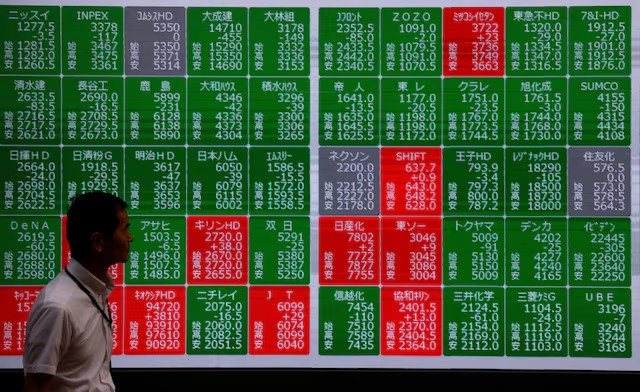
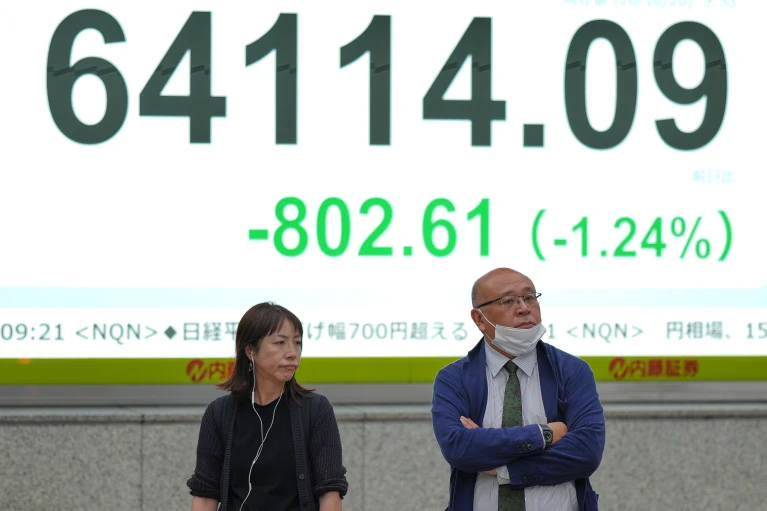
The decline came as stocks fell and bond yields climbed, reflecting broader market anxiety tied to persistent inflation concerns partly fueled by rising oil prices. Investors increasingly expect the central bank may need to keep interest rates higher for longer, or potentially raise them further, to bring inflation back under control.
Just a week earlier, the digital token had briefly rallied above 80,000 dollars, buoyed by broader optimism across risk assets. That momentum has since faded considerably as concerns over tighter monetary policy and a strengthening US dollar have weighed on investor sentiment across the cryptocurrency market.
Fed funds futures pricing showed markets placing roughly a two thirds probability on an interest rate hike at the central bank’s upcoming policy meeting, a substantial increase from expectations just days earlier. This shift reflects growing anxiety that inflation remains too persistent for the anticipated rate cuts many investors had expected earlier this year.
Cryptocurrency markets have historically shown sensitivity to shifts in traditional monetary policy expectations, often moving in tandem with broader risk asset sentiment during periods of significant macroeconomic uncertainty. This pattern held true during the latest bout of volatility affecting both stocks and digital assets simultaneously.
A strengthening US dollar has also weighed on digital asset prices, since a stronger dollar typically makes dollar denominated assets, including cryptocurrencies, relatively more expensive for international buyers using other currencies. This dynamic has added additional downward pressure during the recent pullback.
Analysts covering the digital asset space note that this kind of volatility remains common for cryptocurrency markets, which tend to react more dramatically to shifts in macroeconomic conditions compared to traditional asset classes. Sharp swings in either direction have become a familiar pattern for investors in this space.
Institutional interest in digital assets has grown substantially in recent years, meaning cryptocurrency price movements now carry broader implications for financial markets more generally. This growing interconnection means volatility in crypto markets can sometimes reflect and reinforce broader risk sentiment across traditional markets as well.
Some long term investors view pullbacks like this one as potential buying opportunities, arguing that short term volatility tied to shifting interest rate expectations does not necessarily reflect the underlying long term value proposition of digital assets. Others remain more cautious given the scale of recent price swings.
Trading volumes increased notably during the sell off, reflecting heightened investor activity as market participants reacted to the shifting economic outlook. This pattern of elevated activity during periods of uncertainty has become a consistent feature of cryptocurrency market behavior over time.
As markets continue digesting the combination of geopolitical tension, rising energy costs, and shifting interest rate expectations, cryptocurrency prices are likely to remain sensitive to each new development. Until greater clarity emerges regarding the Federal Reserve’s next policy move, volatility across digital asset markets appears likely to persist in the near term.