



Financial markets worldwide showed a Global markets steady inflation data pattern this week, with trading remaining relatively calm as investors await upcoming price readings expected to significantly influence the Federal Reserve’s approach to interest rate policy in the coming months.
This cautious calm follows a particularly volatile stretch of trading in recent weeks, driven by escalating conflict between the United States and Iran alongside a surprisingly strong August employment report that shifted market expectations toward a possible interest rate hike rather than anticipated cuts.
Market strategists note that this week’s inflation data carries outsized importance given the recent combination of strong employment figures and rising energy costs, both of which could contribute to inflationary pressure that would complicate the central bank’s policy decision making process.
Bond markets have shown relatively stable trading as investors position themselves ahead of the data release, with Treasury yields holding within recent ranges rather than showing significant directional movement in anticipation of information that could meaningfully shift rate expectations.
Currency markets have similarly displayed limited movement, with major currency pairs trading within established ranges as traders await clearer signals about the trajectory of American monetary policy before making significant new directional bets across foreign exchange markets.
Equity markets have shown mixed performance across different sectors, with growth oriented technology stocks generally more sensitive to interest rate expectations compared to value oriented sectors that have historically shown greater resilience during periods of monetary policy uncertainty.
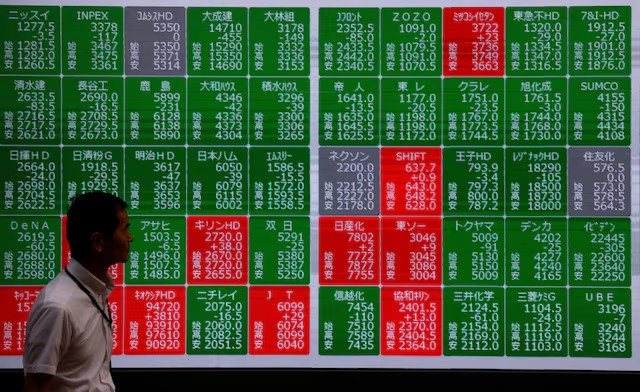
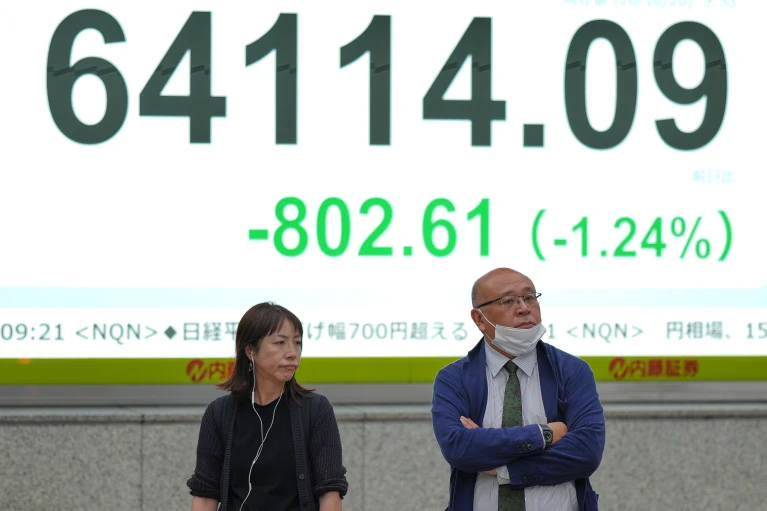
International markets have generally tracked similar patterns of cautious stability, with major indexes across Europe and Asia showing limited significant movement as global investors similarly await clarity regarding American inflation trends and their implications for international monetary policy coordination.
Energy prices remain an important factor investors are monitoring closely, given the substantial recent increases tied to conflict in the Middle East, with any signs of continued escalation or potential de-escalation likely to significantly influence both energy markets and broader inflation expectations.
Corporate earnings reports scheduled for release this week will provide additional data points for investors attempting to gauge overall economic health, potentially offering insights that either reinforce or complicate the picture painted by official government inflation statistics.
Analysts caution that market reactions to inflation data can sometimes prove counterintuitive, depending on how actual figures compare to consensus expectations rather than simply reflecting whether inflation readings show improvement or deterioration compared to previous reporting periods.
As markets continue this period of watchful calm, all attention remains focused on upcoming data releases that could meaningfully shift the trajectory for interest rate policy. Until this information becomes available, investors appear content maintaining relatively steady positions rather than making significant new directional bets.