



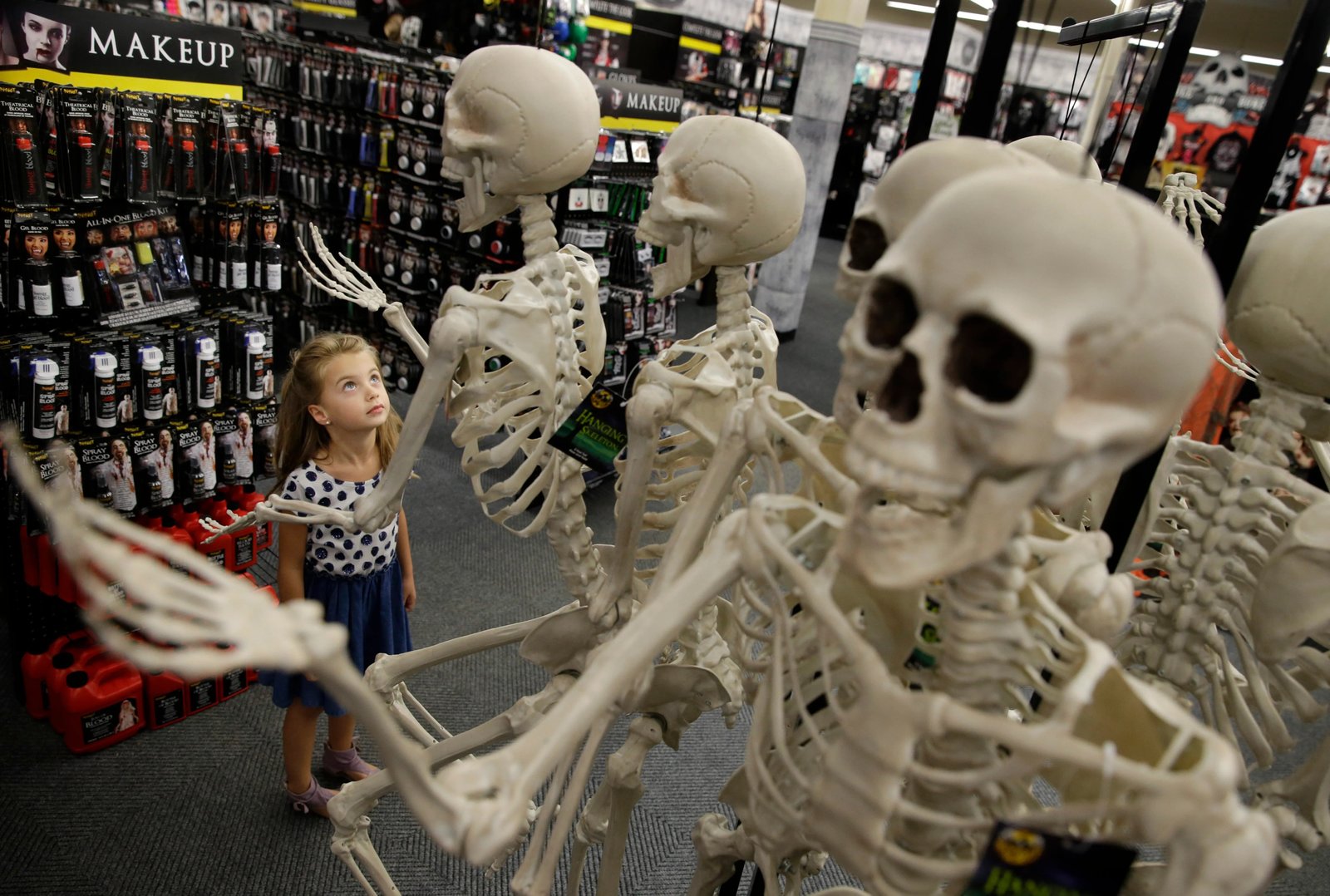
Retailers across the country have begun rolling out Halloween merchandise and seasonal displays earlier than in previous years, with costume selections, decorations, and candy offerings appearing on store shelves well ahead of the traditional late-September timeline that has historically marked the start of the holiday shopping season for this particular occasion. Industry analysts suggest this earlier rollout reflects retailers’ strategic response to consumers increasingly planning holiday purchases further in advance, partly in response to broader economic uncertainty and rising costs across many categories of seasonal merchandise.
This year’s early merchandise rollout comes amid genuine cost pressures affecting numerous product categories relevant to Halloween celebrations, including costumes, decorations, and candy, many of which depend on manufacturing and shipping processes affected by broader supply chain costs tied partly to elevated fuel prices throughout the current year. Retailers appear to be betting that giving consumers additional time to plan and budget for these purchases could help maintain strong overall sales volume even as individual item prices have generally increased compared to previous years.
Costume retailers in particular have reported strong early interest in this year’s offerings, with popular culture references from recent films, television shows, and other media properties typically driving significant demand for specific costume categories each season. This year’s costume trends appear to be following established patterns of drawing heavily from currently popular entertainment properties, with retailers stocking merchandise tied to recent major theatrical and streaming releases that have captured significant audience attention throughout the year.
Home decoration enthusiasts have also embraced the earlier availability of Halloween-themed merchandise, with elaborate yard displays and interior decorating increasingly becoming a significant category within the broader holiday, extending well beyond simple costume purchases for trick-or-treating occasions. Social media platforms have played a notable role in popularizing increasingly elaborate home decoration approaches, with impressive displays generating significant online engagement and inspiring broader consumer interest in more substantial decoration investments than in previous years.
Candy manufacturers have similarly begun their seasonal marketing and distribution efforts earlier than in past years, working to ensure adequate retail shelf space and consumer awareness well ahead of the actual holiday date. This earlier timeline reflects broader competitive pressure within the candy industry, where securing prominent retail placement and early consumer mindshare has become increasingly important amid a crowded marketplace of seasonal offerings competing for consumer attention and spending.
Family budgeting experts have offered practical guidance for consumers navigating this year’s Halloween spending amid broader cost pressures, generally recommending early planning and comparison shopping to help manage overall costs while still allowing for meaningful participation in the holiday’s various traditions. Setting clear spending limits before beginning holiday shopping, these experts suggest, can help families enjoy the season’s traditions without accumulating unexpected costs that might strain broader household budgets already affected by various other inflationary pressures throughout the year.
As Halloween merchandise continues appearing earlier in stores each year, this pattern reflects broader shifts in how retailers approach seasonal shopping periods more generally, extending planning windows to accommodate consumers who increasingly prefer to spread holiday spending across a longer timeframe rather than concentrating purchases in the days immediately preceding a given holiday. Whether this earlier rollout ultimately translates into stronger overall seasonal sales or simply shifts the timing of purchases that would have occurred regardless remains a question retailers will continue evaluating as this particular holiday season unfolds in the coming weeks.