

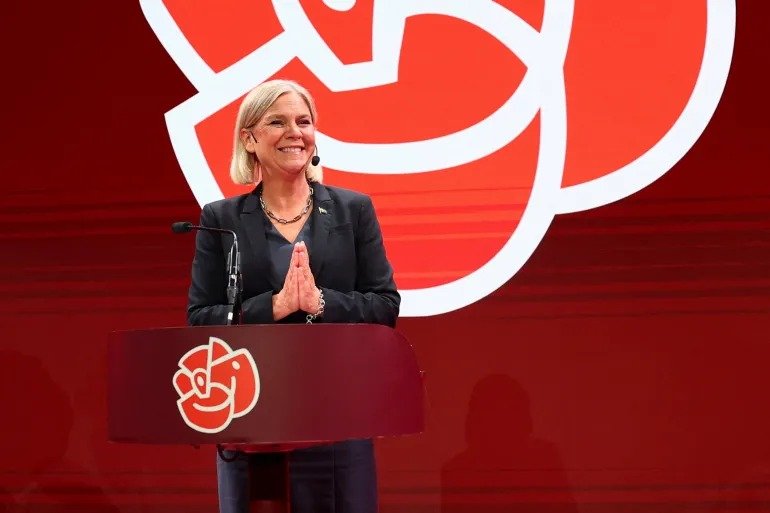
Sweden’s political landscape is undergoing significant transition following this month’s general election, in which a coalition of left-wing parties secured a majority of seats in the country’s parliament, positioning the country for a notable shift in governing direction after the election results were finalized. The coalition’s victory, securing a majority within the nearly three hundred fifty member legislative body, sets the stage for substantial changes in Swedish domestic and foreign policy priorities as the new governing arrangement takes shape in the weeks following the election.
The formation of any multi-party governing coalition typically involves extensive negotiation over policy priorities, cabinet positions, and the specific terms under which different parties agree to support a unified government program despite their own distinct political platforms and priorities. Sweden’s political system, characterized by proportional representation that generally produces multi-party parliaments, has considerable experience with this kind of coalition-building process, though the specific composition and policy direction of each new coalition inevitably reflects the particular political dynamics present following any given election.
This electoral outcome arrives during a period of significant regional security considerations for Sweden, which joined NATO relatively recently following a notable shift in the country’s traditional foreign policy stance amid broader European security concerns tied to ongoing tensions with Russia. How the incoming left-wing coalition approaches these security and defense policy questions will likely represent one of the more closely watched aspects of the new government’s overall policy direction, given the significant recent evolution in Sweden’s traditional approach to international security alignment.
Sweden has also navigated its own set of diplomatic tensions with Iran in recent weeks, having expelled an Iranian embassy employee over security concerns, a move that prompted a reciprocal expulsion of a Swedish diplomat from Iran. How this new coalition government approaches its broader relationship with Iran, alongside numerous other foreign policy considerations, will become clearer as the incoming administration establishes its specific policy priorities in the coming weeks and months following the transition process.
Domestic policy priorities for the incoming coalition are expected to reflect the general policy orientations typically associated with left-leaning political parties, potentially including different approaches to taxation, social welfare programs, and economic policy compared to the previous governing arrangement. The specific details of these policy shifts will likely become clearer as coalition negotiations conclude and the new government formally articulates its governing program to the Swedish parliament and broader public.
Political analysts note that coalition governments, while common within Sweden’s political system, can sometimes face particular challenges maintaining unified policy direction given the need to satisfy multiple coalition partners with potentially somewhat different priorities and political bases. The durability and effectiveness of this new left-wing coalition will likely depend significantly on how successfully the constituent parties manage these inherent tensions while working to implement their shared policy agenda over the coming parliamentary term.
As Sweden’s political transition continues unfolding in the weeks following this month’s election, both domestic observers and international partners will be watching closely for signals about the new coalition’s specific policy priorities across both domestic and foreign policy domains. Whether this represents a significant shift in Sweden’s overall political trajectory or a more incremental evolution within established policy parameters will likely become clearer as the new government moves from the immediate post-election transition period into the actual work of governing.