

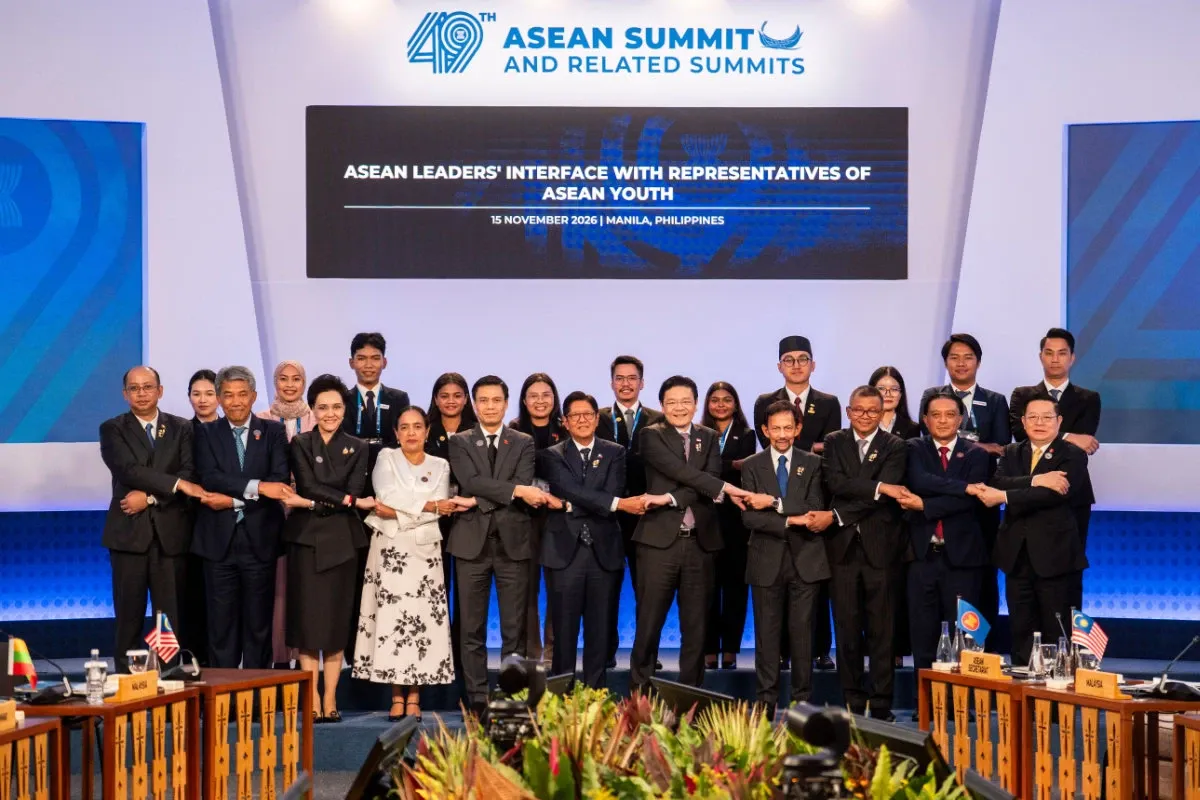
Southeast Asian leaders have renewed criticism of the violence in Myanmar and extended restrictions preventing the country’s military leader from attending high-level regional meetings. The decision reflects continuing frustration with the military government’s failure to implement a peace agreement reached by the Association of Southeast Asian Nations in 2021. The agreement called for an end to violence, dialogue between opposing sides and humanitarian assistance for people affected by the conflict. However, fighting has continued across the country, leaving large numbers of civilians displaced and increasing pressure on regional governments to respond.
Myanmar has been in political turmoil since the military seized power in February 2021 and removed the elected civilian government. Opposition groups and ethnic armed organisations have continued fighting the military, while the authorities have faced international criticism over arrests, military operations and restrictions on political freedoms. Human rights investigators have accused the military of deliberately using violence to frighten civilians and weaken resistance. More than 8,600 deaths have been reported since the coup, although the full scale of the conflict remains difficult to establish.
ASEAN has struggled to find a common response because its member states have different political and economic relationships with Myanmar. Some governments favour stronger pressure on the military authorities, while others support continued engagement in the hope of encouraging negotiations. The bloc’s decision to keep the military leader away from its main political meetings reflects an attempt to maintain pressure without completely ending diplomatic contact. Regional officials have repeatedly said that Myanmar must make meaningful progress on the peace plan before its military leadership can regain full participation.
The continuing crisis also creates serious humanitarian challenges for neighbouring countries. Displacement, insecurity and disruptions to essential services have affected communities across Myanmar, while refugees have sought safety in nearby states. Human rights organisations say regional governments must do more to protect civilians and ensure that humanitarian assistance reaches people in need. The latest decision by Southeast Asian leaders shows that the crisis remains a major issue for the region, with no clear political settlement in sight.