

Southeast Asian energy ministers are preparing new plans to protect the region from energy shocks caused by the war in the Middle East. The issue is becoming more urgent as oil prices remain near $100 a barrel and attacks threaten major shipping routes. The ministers are meeting in Manila as the conflict between the United States, Israel and Iran continues.
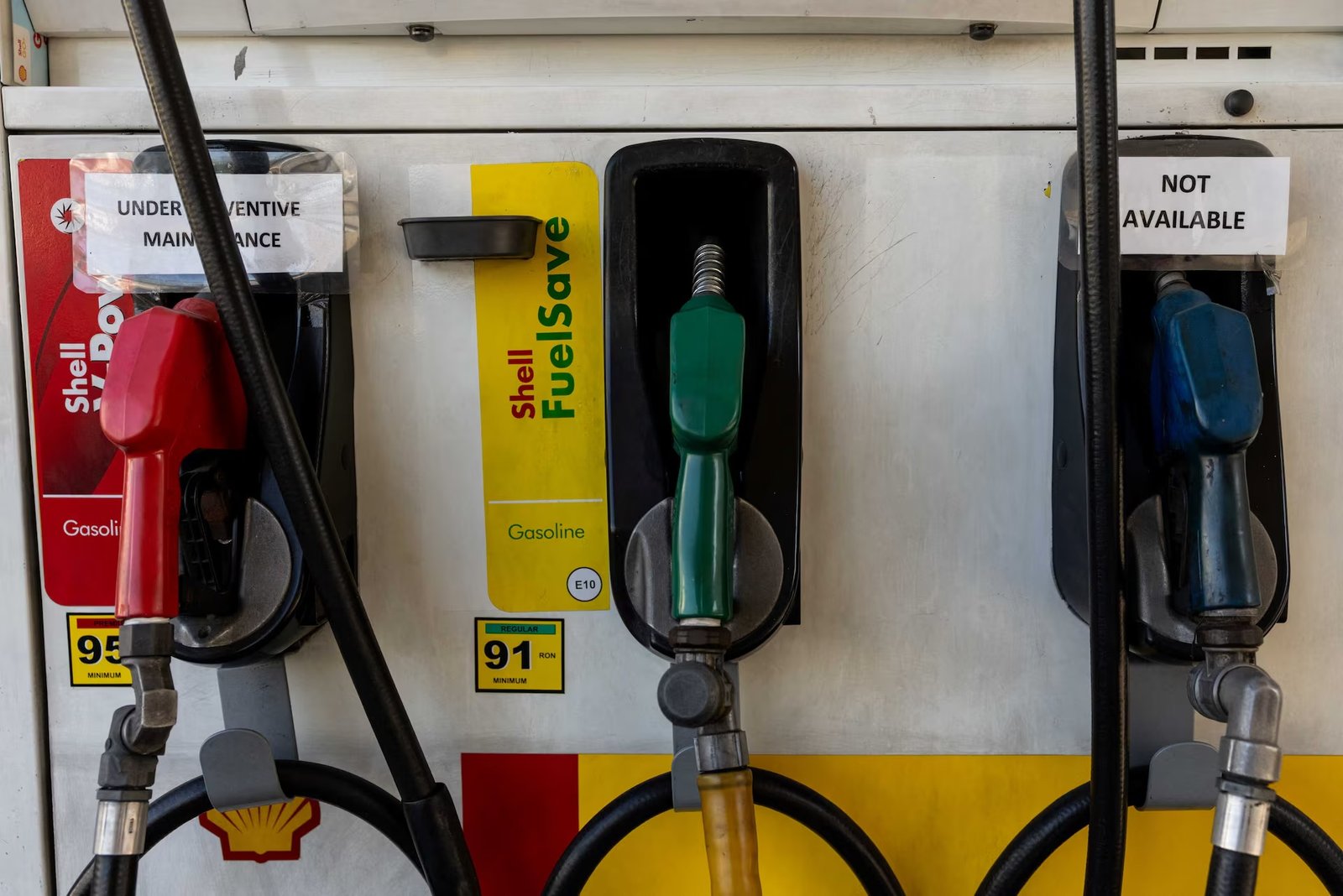
ASEAN countries depend heavily on Middle Eastern oil, with more than half of the crude used by the region’s refineries coming from the Middle East. That dependence creates a major risk because if attacks reduce oil supplies or make shipping more expensive, fuel prices can rise quickly across Southeast Asia. The current crisis has already affected households and transport workers.
In the Philippines, a jeepney driver told Reuters that his daily fuel bill had more than doubled to about 2,400 pesos. Higher fuel costs can reduce the income of transport workers while also increasing the price of goods and services. The impact can spread across the economy because transport is closely linked to food prices, business costs and household spending.
ASEAN ministers are therefore looking at emergency fuel security measures. One plan involves stronger cooperation under the ASEAN Framework Agreement on Petroleum Security, a system designed to help countries respond together when fuel supplies face a serious threat. The ministers are also expected to discuss longer term solutions, including the ASEAN Power Grid, renewable energy, electric vehicles and greater energy efficiency.
The goal is to reduce dependence on imported oil over time. Experts say the region needs to learn from the current crisis because a serious disruption to Middle Eastern supplies could put oil volumes equal to almost 28 percent of ASEAN’s final oil consumption at risk, according to the ASEAN Centre for Energy. Such a disruption would create major economic pressure across countries that rely heavily on imported fuel.
However, Southeast Asia has limited fuel storage, making it difficult to rely only on emergency reserves. Experts warn that stockpiles can provide a short term buffer but cannot solve a long energy crisis. The current conflict has therefore increased pressure for deeper structural changes in the way ASEAN countries produce, store and use energy.
Renewable energy is one possible solution. Solar, wind and other clean energy sources can reduce the need for imported fuel, while electric vehicles can lower demand for petrol and diesel in transport. The ASEAN Power Grid could also help countries share electricity across borders, but building such a system will require large investments and stronger cooperation between governments.
The financial risks are also significant. The International Energy Agency estimates Southeast Asia’s energy import bill could rise from more than $80 billion in 2024 to about $245 billion by 2035 without major changes. Such an increase would put greater pressure on national budgets and consumers, especially if energy prices remain unstable because of conflicts or disruptions to global supply chains.
The region’s economic growth has increased demand for energy. Factories, transport systems and cities all need reliable power, meaning a sudden rise in fuel prices can affect many parts of the economy at the same time. Businesses may face higher operating costs, while households can see more expensive transport, food and other basic goods.
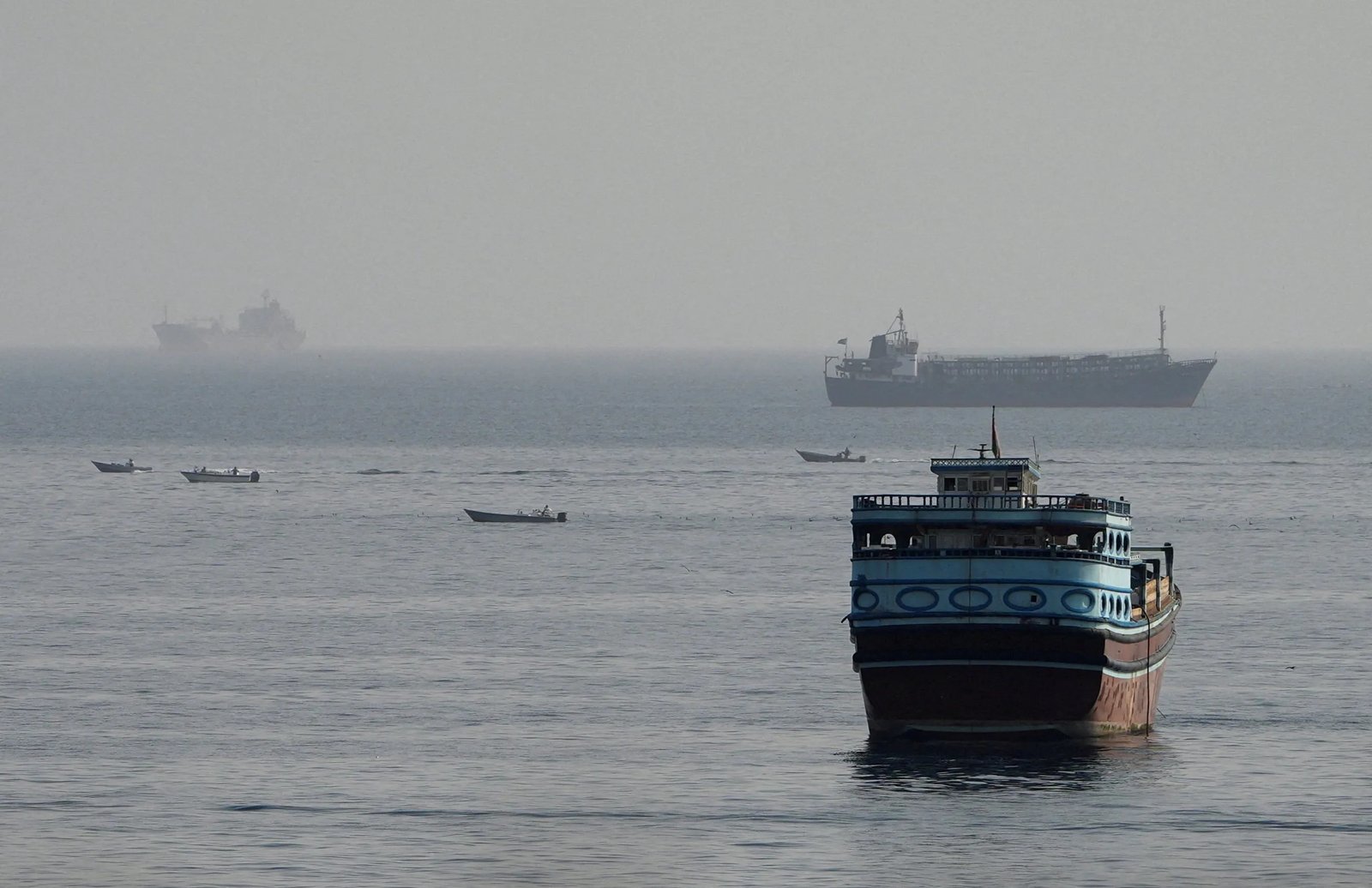
The Middle East war has also shown how energy security is linked to shipping. Much of the region’s oil passes through major sea routes, and attacks on ships can increase insurance and transport costs even when enough crude is available. ASEAN governments now want to reduce this vulnerability by strengthening emergency planning and developing energy sources that are less exposed to international shipping risks.
The October 6 meeting is therefore about more than emergency fuel supplies. It is also about changing the way Southeast Asia produces and uses energy, with households seeking protection from sudden fuel price increases and governments looking for a more reliable energy system.
The Middle East conflict has created a difficult short term problem, but ASEAN leaders see it as a reason to speed up long term energy reforms. The coming years will show whether the region can turn the lessons from the crisis into a stronger and more independent energy system that is better prepared for future wars, supply disruptions and price shocks.