



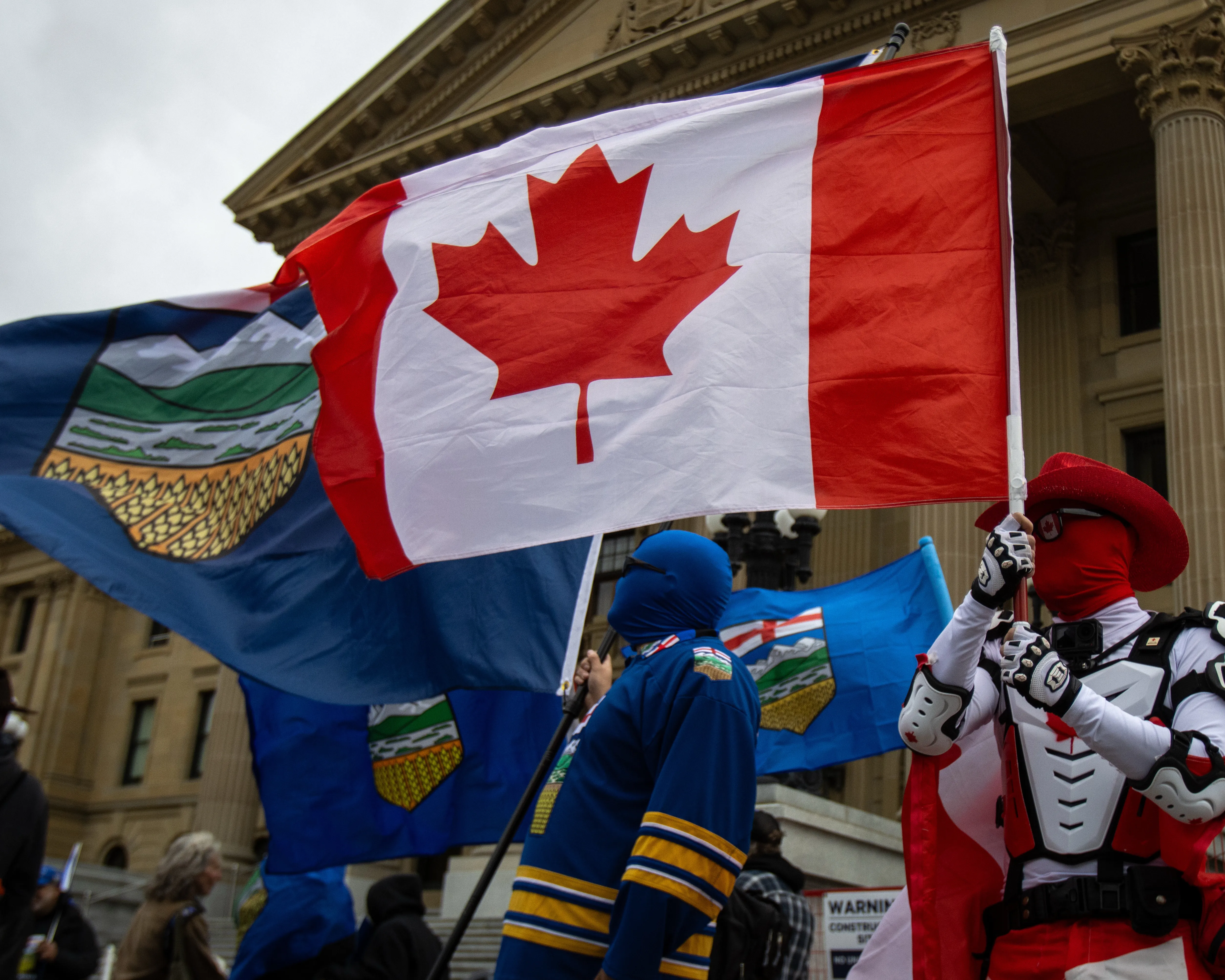
Voters in Alberta are preparing for a referendum that has exposed deep divisions over the Canadian province’s future. The debate centres on whether Alberta should remain part of Canada or move towards another binding vote on independence, a question that has brought competing ideas about identity, economic power and political control into focus.
Support for greater autonomy has long been linked to concerns about how decisions are made at the federal level. Some Albertans argue that the province’s interests are not adequately represented in national policy, particularly in areas affecting its economy and natural resources. Others believe that remaining within Canada offers greater stability and access to a larger national market.
The referendum debate has also revealed divisions among people who favour separation. They may agree that Alberta needs greater influence over its future but disagree about what independence would involve, how it would be achieved and whether it would bring practical benefits. These questions matter because a constitutional change would require more than a campaign slogan.
Economic issues are likely to play a major role in how voters assess the arguments. Alberta’s industries are connected to national infrastructure, trade and labour markets. Any move towards independence would raise questions about public finances, legal arrangements, borders and the future relationship with the rest of Canada.
Opponents of separation may argue that uncertainty could discourage investment and complicate business operations. Supporters may counter that greater control would allow the province to make decisions better suited to its own priorities. Both sides must explain how their preferred path would affect daily life and public services.
A referendum can also become a wider test of trust in political institutions. Voters may use it to express frustration with governments even if they have not fully decided whether independence is desirable. That makes clear information and open debate especially important.
The vote is therefore about more than a simple choice on a ballot. It raises questions about how a province defines its interests, how disagreements are settled within a federation and what evidence voters need before supporting a major political change. The result could shape Alberta’s relationship with Canada for years to come.