

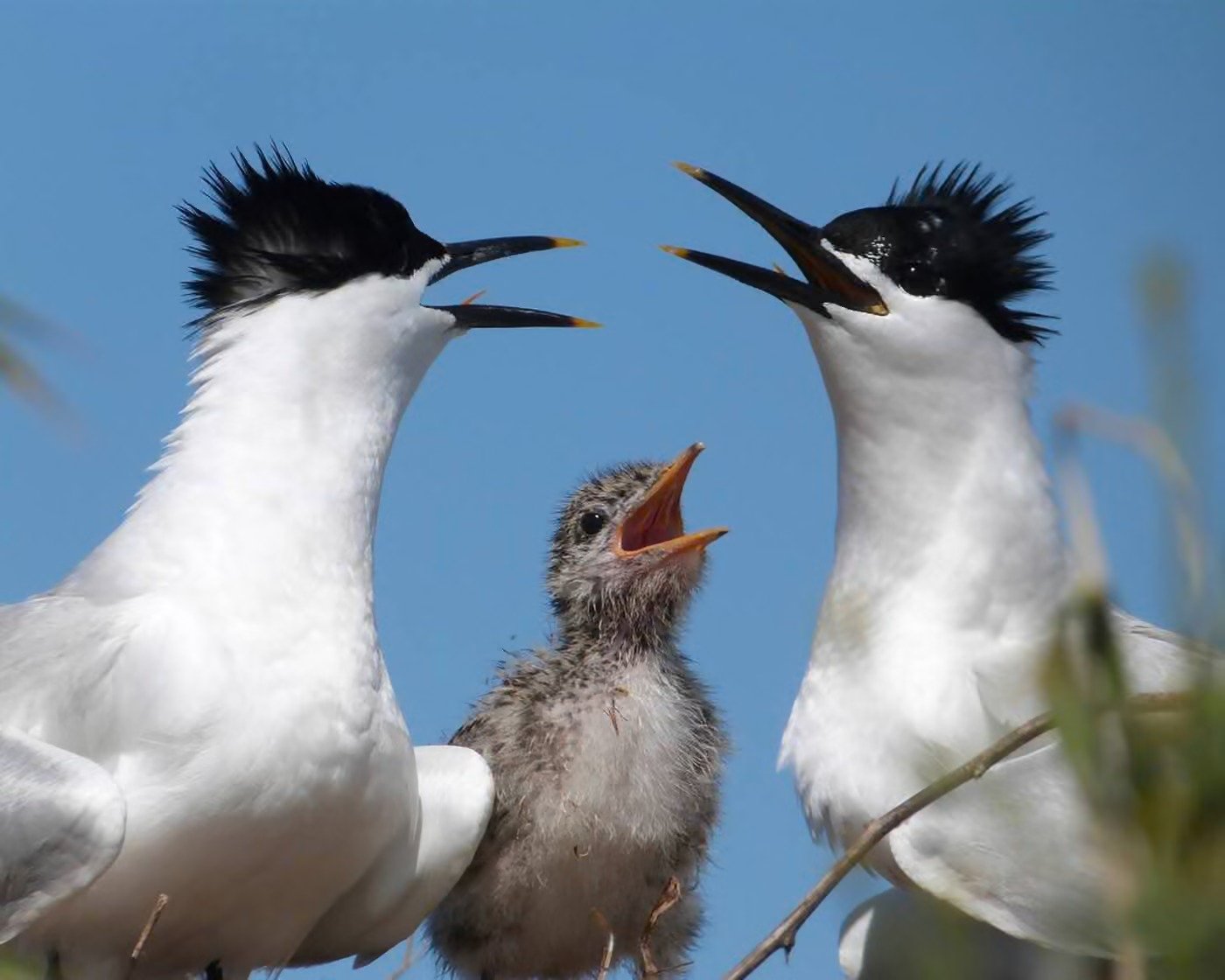
Seabird numbers in parts of the Solent region of southern England are showing signs of recovery after major losses caused by avian flu in 2022. Conservation work has helped several groups of birds, including terns, gulls and plovers, offering a hopeful sign for wildlife in an area where coastal habitats face continued pressure.
The disease had a serious impact on seabird populations. When large numbers of birds become ill or die, breeding colonies can take time to recover. The loss of adult birds may reduce the number of chicks produced in later seasons, while changes in colony size can affect how populations respond to future threats.
Conservation programmes can help by protecting nesting areas, reducing disturbance and monitoring changes in bird numbers. These steps do not remove every danger, but they can give wildlife a better chance to breed and feed successfully. Local habitat protection is especially important for coastal birds that depend on specific shorelines, wetlands and islands.
The Solent is an important coastal area with a range of habitats used by wildlife. Human activity, development, pollution and changing environmental conditions can affect the quality of these places. Protecting birds therefore requires attention not only to the animals themselves but also to the places where they nest and find food.
Recovery after a disease outbreak can be uneven. Some species may respond faster than others, and a rise in numbers does not mean that all risks have disappeared. Monitoring over several years helps conservation groups understand whether improvements are lasting or whether populations remain vulnerable.
The work also shows the value of local conservation. Community groups, wildlife organisations and land managers can support recovery through careful observation and practical steps to protect habitats. Public awareness can help people understand why some areas need seasonal restrictions or limits on disturbance.
For people who live near the coast or visit it for recreation, healthier seabird populations can be a visible sign of environmental progress. Yet the recovery should not lead to complacency. Disease, climate change and habitat loss can still threaten wildlife, so continued monitoring and protection remain important.
The experience in the Solent offers a measured reason for optimism: populations can begin to recover when threats are understood and practical conservation efforts are sustained.