


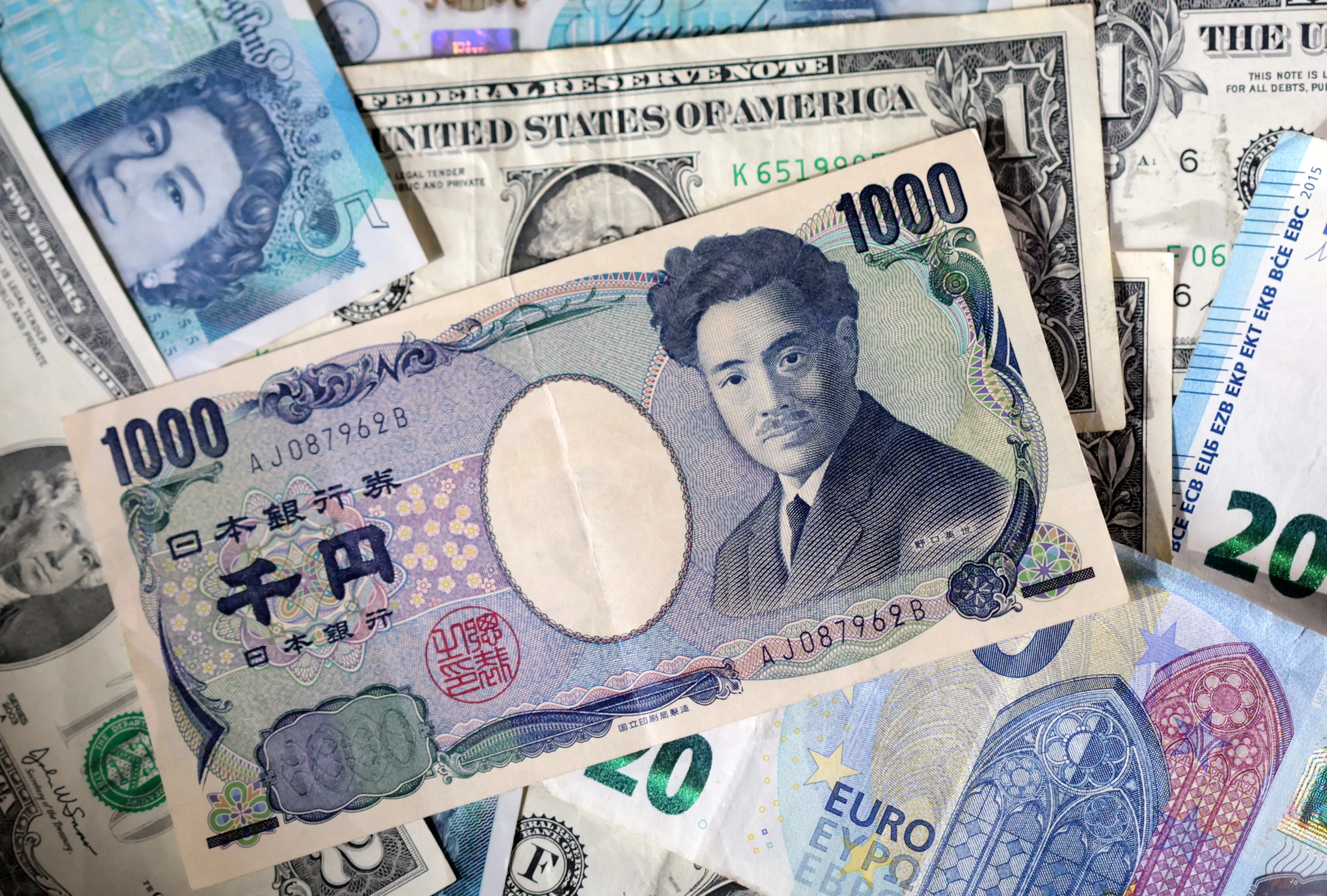
The US dollar remained close to its strongest level in 19 months on Friday as investors increased their expectations of a larger Federal Reserve interest rate rise. The stronger dollar pushed the Japanese yen towards the important level of 160 per dollar, raising concerns that Japanese authorities might intervene to support their currency. The movement came after US government bond yields climbed sharply during the week. Investors were reacting to persistent inflation concerns and comments from Federal Reserve officials suggesting that borrowing costs may need to remain high.
The euro also weakened against the dollar, falling to around $1.1049 and approaching its lowest level since April 2025. The currency was on course for its largest weekly decline since late September. Two-year US Treasury yields had gained 34 basis points over two sessions, marking their sharpest two-day increase in three and a half years. Traders were increasingly pricing in the possibility of a 50-basis-point interest rate increase in December. The chance of such a move had risen from zero percent the previous week to 14.5 percent, according to market data cited by Reuters.
Japan’s finance minister said the government would respond appropriately to excessive currency volatility after the yen briefly reached the 160 level. A weaker yen can make imported energy and other goods more expensive for Japanese households and businesses. The Australian dollar has also come under pressure, losing about 2.5 percent over the past month against the US currency. Investors are now watching upcoming Federal Reserve comments and economic data for signs of whether inflation will remain strong. The dollar’s rise reflects both expectations about US interest rates and wider uncertainty in global markets, while Asian governments are monitoring the effects of currency movements on trade and domestic prices.