

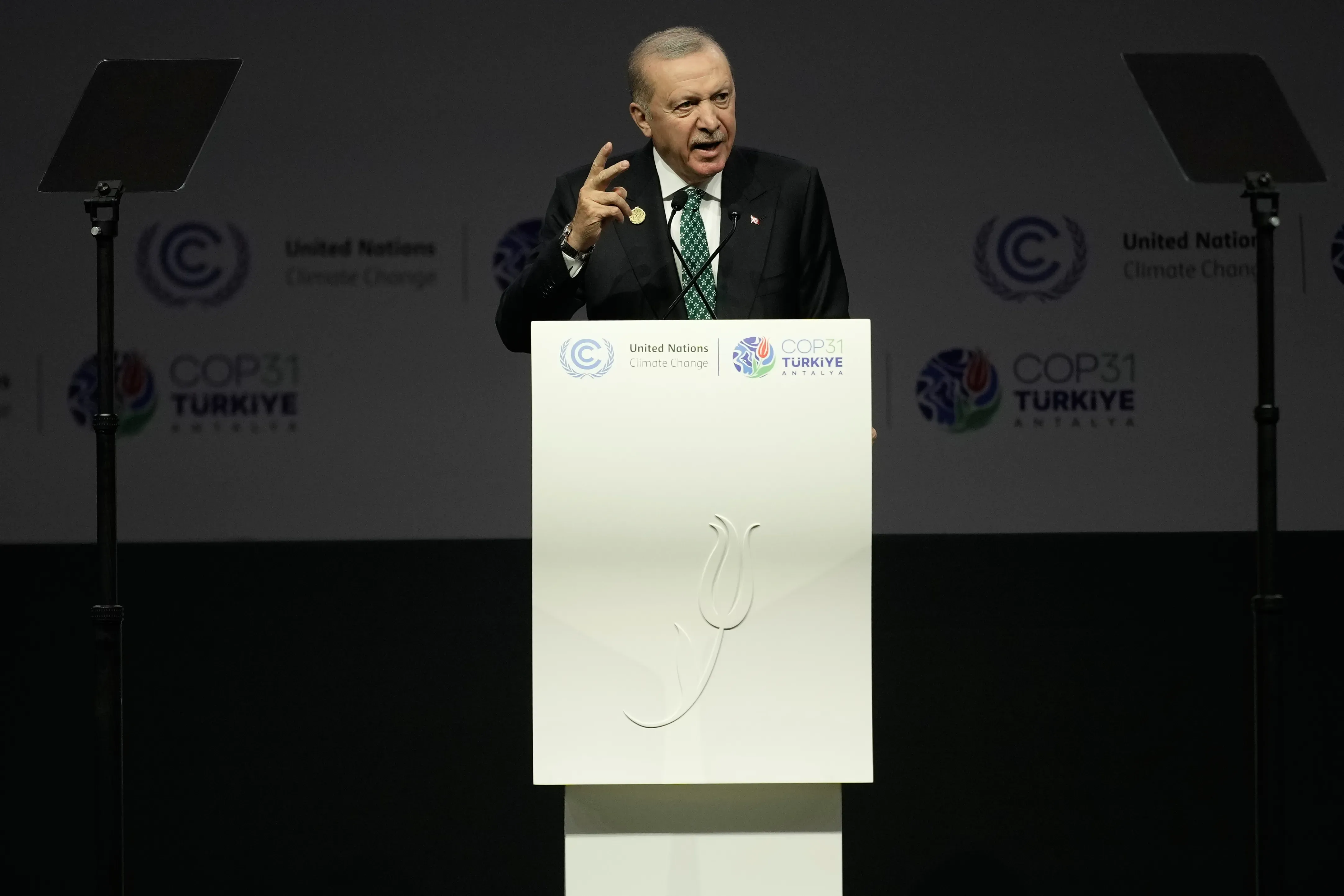
Turkey has secured a record $1.6 billion climate financing package from the Asian Infrastructure Investment Bank as it seeks to attract investment for environmental reforms. The agreement was announced during the COP31 climate conference in Antalya, where governments and financial institutions are discussing ways to reduce emissions and prepare for the effects of global warming. The funding is intended to help Turkey strengthen its climate policies, expand sustainable finance and support projects that reduce pollution. The deal is also expected to help the country attract additional investment from private companies.
Turkey estimates that it will need around $68 billion in additional climate investment by 2030, with approximately half expected to come from private sources. The financing package will support implementation of the country’s Climate Law and its plans for an interim emissions target in 2035. Turkey aims to reach net-zero emissions by 2053. The programme will also help develop a national emissions trading system, allowing companies in high-emitting industries to trade emissions allowances. Such a system could help Turkish exporters respond to the European Union’s carbon border levy, which places costs on certain imported goods based on their emissions.
The agreement includes several practical targets. Turkey aims to have at least 180 industrial facilities report their baseline emissions by April 2027 and secure licences for 1,800 megawatts of wind and solar power capacity. The programme also plans to help 225,000 farmers in water-stressed regions move towards crops that require less water. In addition, 50,000 hectares of land are expected to be designated as carbon sinks by 2028. These measures are intended to address risks such as drought, wildfires, flooding and water shortages. The deal represents a major source of financial support, but its long-term success will depend on how effectively Turkey carries out the reforms and attracts further investment.