
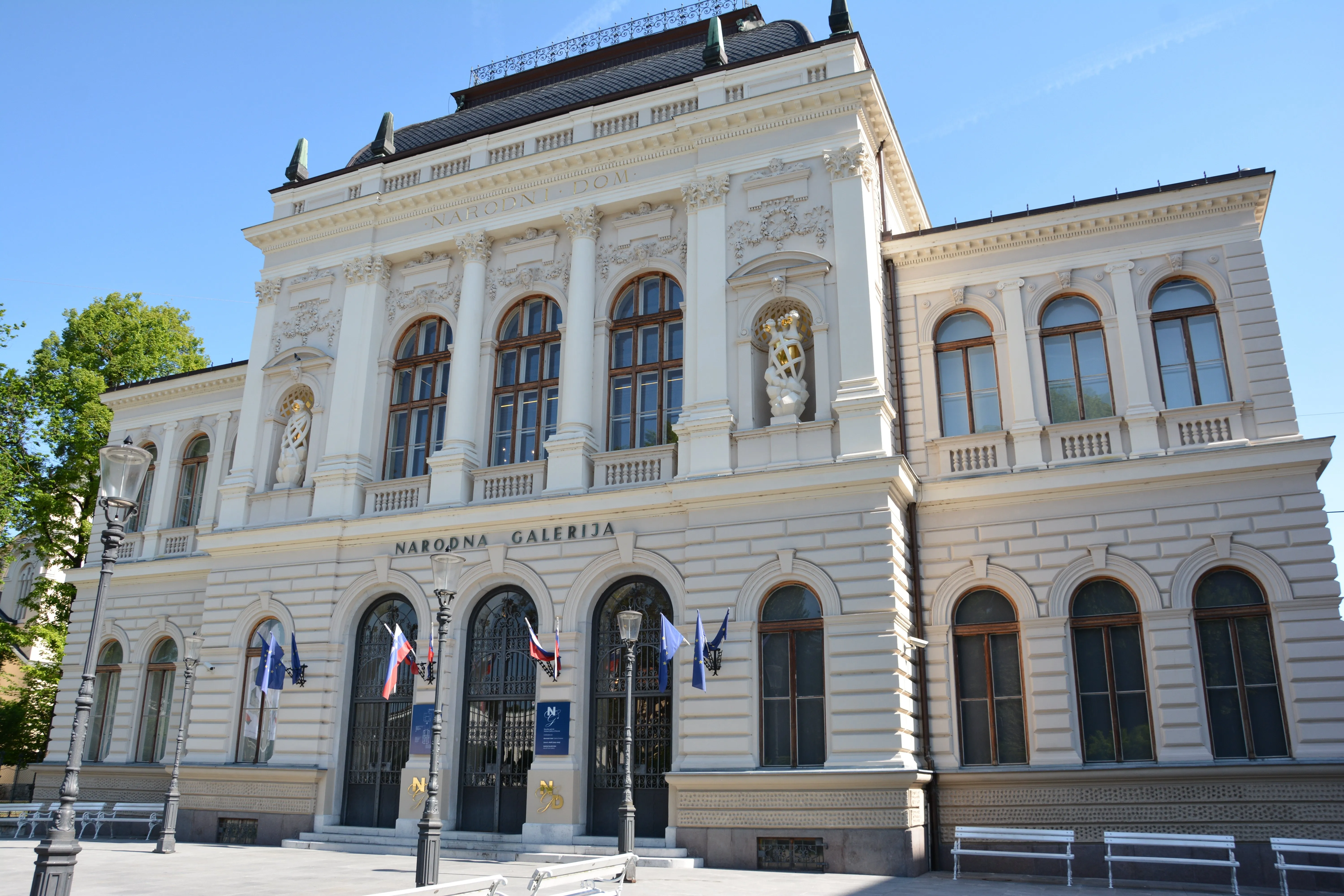
The Slovenian capital of Ljubljana is presenting a varied programme of cultural exhibitions and creative events for visitors and residents on November 17. The programme includes visual art, photography, historical displays and exhibitions that explore the relationship between language, memory and society. Several venues across the city are taking part, giving visitors opportunities to experience different forms of artistic expression in museums, galleries and historic buildings. The selection reflects Ljubljana’s effort to make cultural activities accessible to a broad public.
One of the featured events is Illustrations in Motion, presented at Ljubljana Castle. The exhibition uses illustrations from children’s picture books to introduce visitors to imaginative characters and stories. It includes works connected to titles such as My Umbrella Can Turn into a Balloon, Piko the Dinosaur and The Fox’s Three Godfathers. The exhibition is designed to appeal to visitors of different ages and demonstrates how illustration can encourage creativity and storytelling.
Another part of the programme focuses on history and public memory. The temporary exhibition Gifts to the State, hosted at Cekin Mansion, explores objects presented to Slovenian presidents. These items can provide insight into diplomatic relationships, national traditions and the symbolic importance of gifts in public life. Other exhibitions at Tivoli Mansion and cultural institutions include work by contemporary artists, offering visitors a chance to engage with themes such as identity, storytelling and the boundaries of language.
The programme also includes an exhibition examining the influence of German playwright Bertolt Brecht on Slovenian theatre. It offers a historical overview of how his ideas and methods affected theatre in the country. By bringing together exhibitions about literature, visual art, history and performance, Ljubljana’s cultural calendar presents a wide range of experiences in one city. The programme demonstrates how museums and galleries can connect local history with international artistic movements while providing opportunities for education and public engagement.