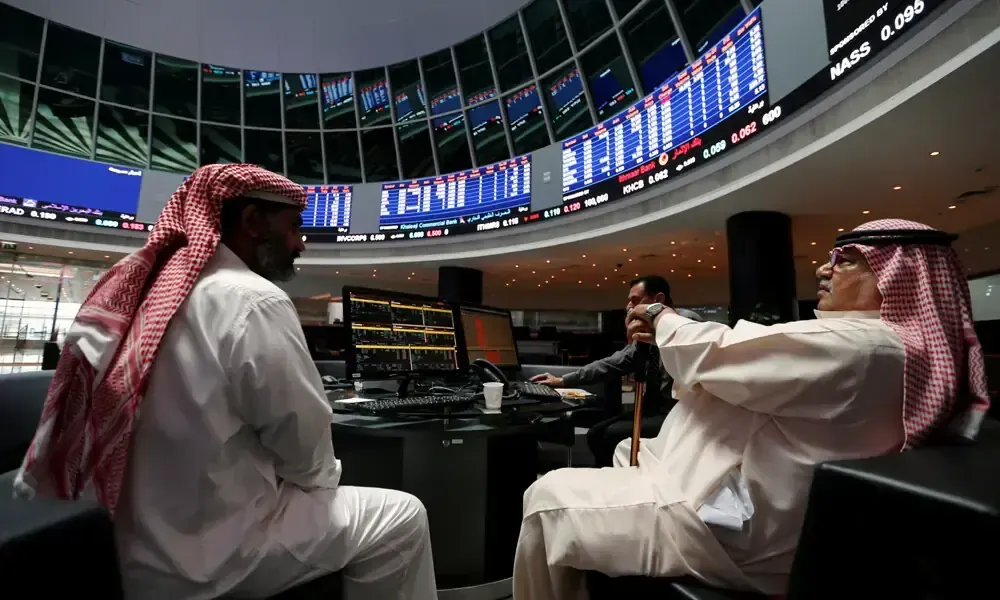


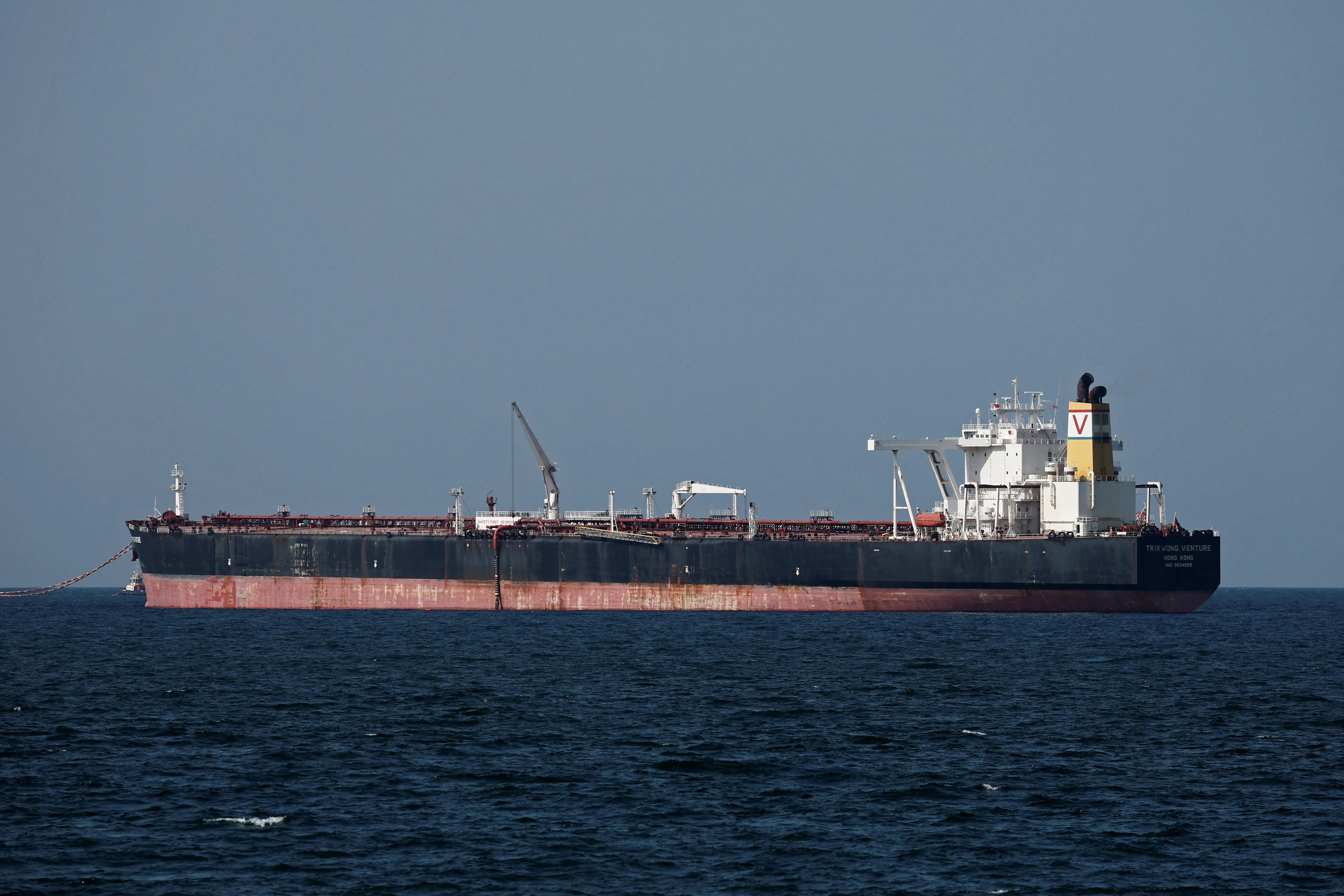
Global oil prices moved higher on Friday as renewed security concerns in the Middle East raised fears of further disruption to energy supplies. Reports of attacks involving tankers in the Strait of Hormuz and missile strikes connected to the wider regional conflict increased concern among traders. The rise came despite expectations that the global oil market could face a supply surplus, showing how geopolitical risks continue to influence prices.
Brent crude futures gained around 0.3% to approximately $92.22 a barrel, while US West Texas Intermediate rose about 0.2% to around $83.40. Despite the daily increase, both benchmarks remained on course for a third consecutive weekly decline. Market participants have been weighing the possibility of stronger global supply against the risk that military developments could restrict shipments from major producing regions.
The Strait of Hormuz remains a central concern because it is one of the world’s most important routes for transporting oil and other energy products. Any serious interruption could affect deliveries to international markets and force buyers to seek supplies from alternative sources. The reported tanker incidents have increased uncertainty, while attacks involving Saudi infrastructure have added to concerns about the security of regional energy facilities.
Other developments are also shaping expectations for the oil market. The International Energy Agency has warned that the conflict has caused major disruption to global energy trade and could encourage governments to accelerate investment in alternative energy and efficiency measures. OPEC+ members are preparing to discuss production policy at their upcoming meeting, while traders are watching inventories and shipping activity for signs of changing supply conditions. The market remains caught between the possibility of abundant oil and the risk of sudden disruptions caused by conflict.