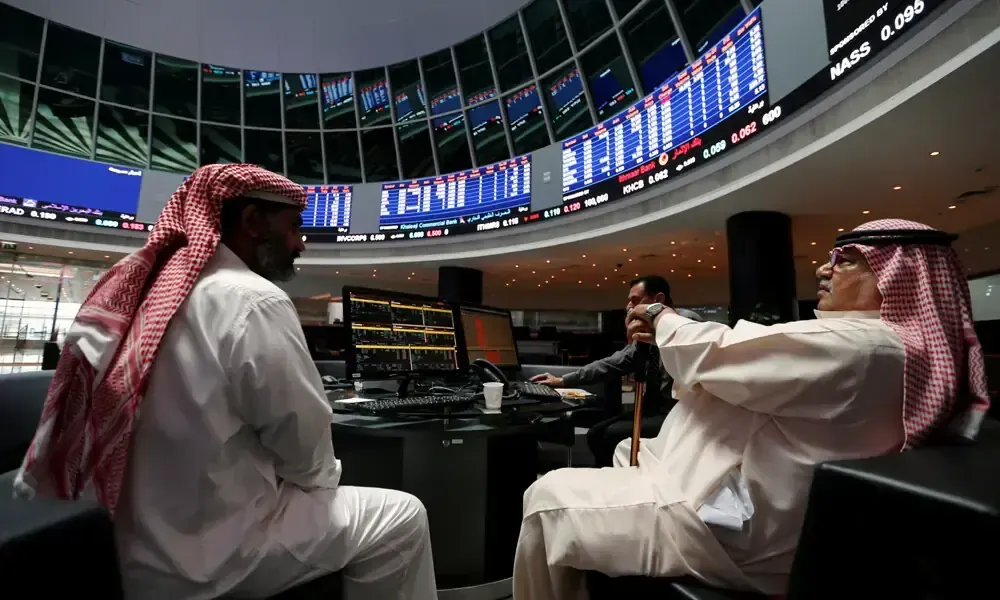



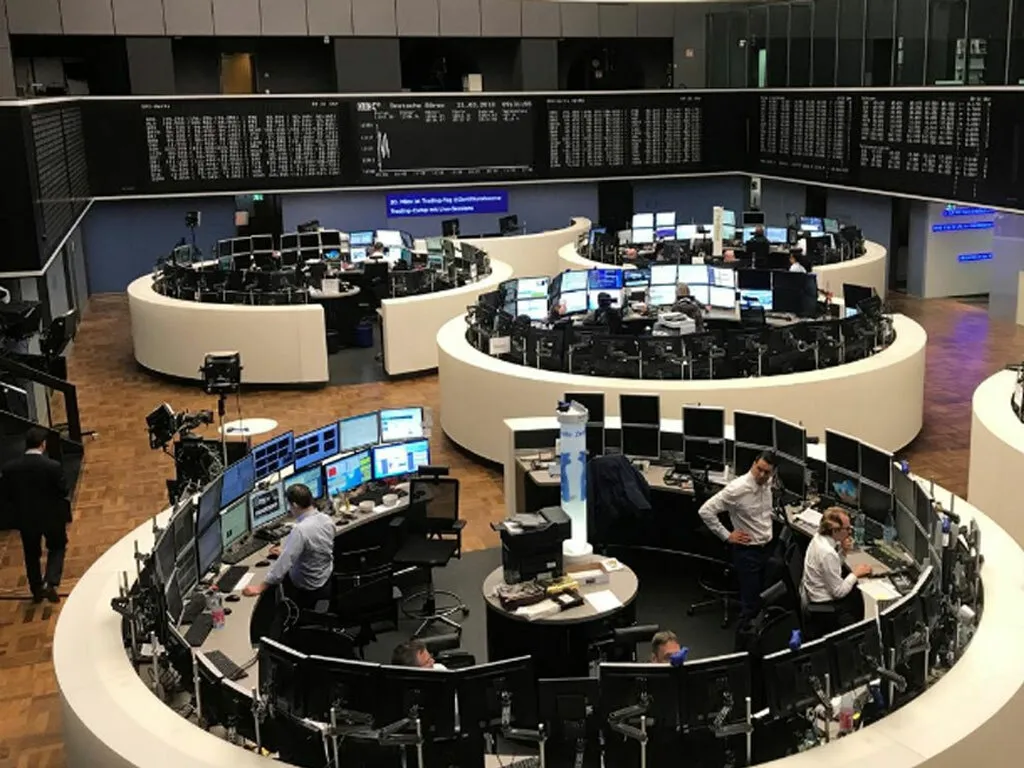
European stock markets recorded their steepest weekly decline in more than a year as investors continued to sell technology shares and reduce exposure to companies linked to artificial intelligence. The pan-European STOXX 600 index fell 2% on Friday to close at 625.65 points, leaving it down more than 5.7% for the week. The index also recorded its fifth consecutive session of losses and reached its lowest closing level in six weeks, reflecting growing concern about the outlook for global markets.
The decline followed a difficult period for technology companies after investors questioned whether the enormous investment in artificial intelligence infrastructure would generate enough financial returns. Anthropic attracted significant attention with its record-breaking stock market debut, briefly reaching a valuation of around $2 trillion. However, its shares lost ground during Friday’s trading, and the listing did little to restore confidence in the wider technology sector. Investors remained concerned about the cost of data centres, computing equipment and the financing required to support advanced AI systems.
Technology shares were among the biggest losers in Europe. Semiconductor-related companies such as ASML and STMicroelectronics fell by more than 9%, while the broader technology sector recorded its steepest one-day decline since October 2025. The weakness also spread beyond technology, with banks, defence companies and luxury businesses experiencing significant losses. Analysts warned that a prolonged decline in technology investment could affect other industries by reducing business spending and weakening expectations for economic growth.
The selloff has also been influenced by political uncertainty in the United States and concerns about the amount of debt being used to finance artificial intelligence development. Investors who benefited from the previous market rally have begun taking profits, while falling valuations have encouraged further caution. The European market’s performance demonstrates how closely regional stock exchanges are connected to developments in the US technology sector. Traders will now look for signs that corporate earnings and economic conditions can support share prices, or whether doubts about AI investment will continue to weigh on markets.