

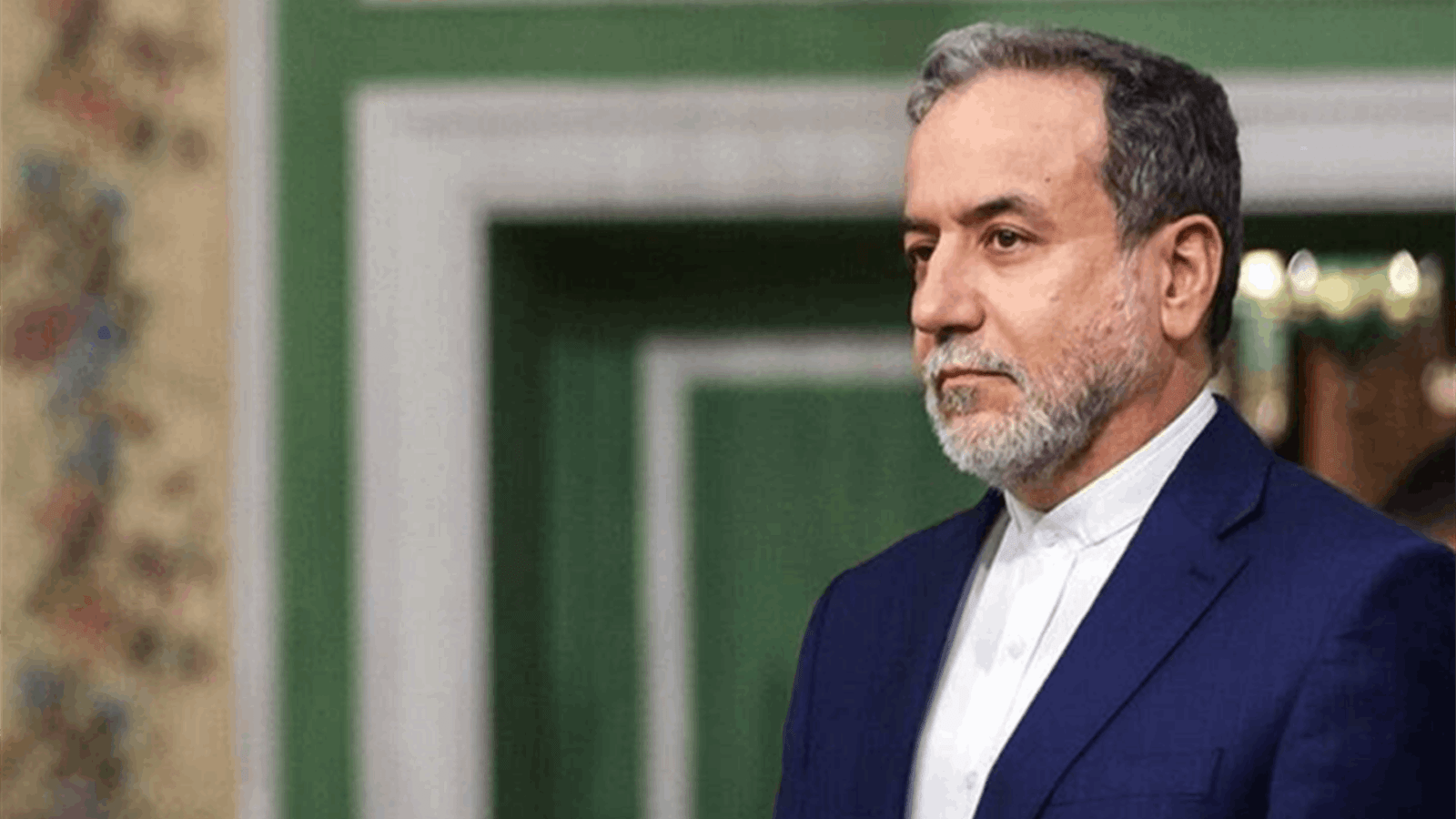
Abbas Araghchi is one of Iran’s most experienced diplomats, known for his central role in nuclear negotiations and international diplomacy. Born in 1960 in Tehran, he has dedicated decades to shaping Iran’s foreign policy, especially concerning nuclear development and relations with the West. His educational background includes a bachelor’s degree in political science from Tehran University, followed by postgraduate studies in international relations at the University of Kent in the United Kingdom. This blend of Iranian roots and Western academic experience helped him become a skilled negotiator and policy strategist.
Araghchi has held several key positions throughout his career. One of his most prominent roles was serving as Iran’s Deputy Foreign Minister for Political Affairs. In this position, he was deeply involved in shaping Iran’s diplomatic strategies, with a focus on negotiations with Western powers. He also served as Iran’s ambassador to Finland and Japan, gaining further experience in cross-cultural diplomacy and international relations.
He became a well-known figure on the global stage during the negotiations over the Joint Comprehensive Plan of Action (JCPOA), commonly known as the Iran Nuclear Deal. Araghchi played a leading role in these high-stakes talks, working alongside then Foreign Minister Mohammad Javad Zarif. Together, they represented Iran in discussions with the P5+1 nations—the United States, the United Kingdom, France, Russia, China, and Germany. These talks culminated in the 2015 agreement that limited Iran’s nuclear activities in exchange for relief from international sanctions.
Araghchi’s diplomatic style is characterized by firmness combined with a pragmatic willingness to engage. He has repeatedly stated that Iran seeks peaceful nuclear energy under the terms of the Non-Proliferation Treaty (NPT), and he has pushed back against claims that Iran is pursuing nuclear weapons. According to Araghchi, Iran’s goal is to secure its rights while ensuring international cooperation and economic development.
His contributions to the nuclear talks have earned him respect among many Western negotiators, even though he has faced criticism from hardliners within Iran. Some conservative voices in the country believe the JCPOA made too many concessions, but Araghchi has defended the deal as a necessary compromise to prevent further economic isolation and regional instability.
In recent years, Araghchi has remained active behind the scenes, especially during efforts to revive or replace the JCPOA after the United States withdrew from the agreement in 2018 under President Donald Trump. He has taken part in European-led efforts to restart diplomatic talks and reduce tensions between Iran and Western countries. His experience and knowledge of the issues make him a key figure in any future discussions involving Iran’s nuclear program and international engagement.
Reports suggest that Araghchi may once again play a role in upcoming diplomatic talks between Iran and the United States. As the situation in the Middle East grows more complex, seasoned diplomats like Araghchi are seen as essential for navigating high-pressure negotiations. Trusted sources indicate that Washington is preparing for possible meetings involving senior Iranian officials, and Araghchi is expected to be one of the participants if talks move forward.
His deep understanding of Western negotiation styles, combined with his firm defense of Iranian sovereignty, places him in a unique position to bridge gaps between opposing sides. While his work has often drawn both praise and criticism, there is no doubt that Abbas Araghchi remains a central player in the ongoing story of Iran’s foreign relations and nuclear diplomacy. As international attention focuses once again on Iran’s nuclear ambitions and the possibility of renewed dialogue, Araghchi’s name continues to surface as a key figure who could help shape the outcome.