


Alicante rice and seafood lead the way in Mediterranean cuisine. On Spain’s Costa Blanca, the city combines beaches, history, and a rich culinary scene. Visitors can enjoy traditional dishes, modern gastronomy, and the unique flavors of the region.
My journey begins in Alicante’s old town at Mesón de Labradores. Once a simple restaurant, it remains a hub for classic regional food despite the rise of Italian eateries around it. Here, I meet British chef Timothy Denny. He moved to Spain, fell in love with the region, and mastered local dishes. Over a €20 fideuá de mariscos, or seafood noodles, he explains, “Alicante epitomises the Mediterranean – for rice, seafood, and artichokes. But there are curiosities too, like pavo borracho.” This “drunken turkey” dish stews turkey in cognac and red wine, offering a hearty winter meal.
Chef Denny praises the local culinary culture and the role of female chefs. Many women lead kitchens in Alicante, unusual in Spain’s male-dominated culinary world. Raquel Sabater, owner of Mesón de Labradores, represents this tradition. Her restaurant still features vintage tiles, plates, and furniture, keeping history alive in every corner.
High-end dining in Alicante is also driven by female talent. María José San Román, known as the Queen of Alicante gastronomy, runs Monastrell by the marina. Her six-course tasting menu costs €79 and reflects her creative approach. She founded Mujeres en Gastronomía (MEG) in 2018 to unite Alicante’s female chefs. Another member of MEG, María Luisa Rivera, owns La Sastrería. She transformed her career from landscape gardener to chef. Here, I enjoy arroz del senyoret, a peeled seafood rice dish made with Albufera’s sénia rice, perfectly cooked in her rich broth.
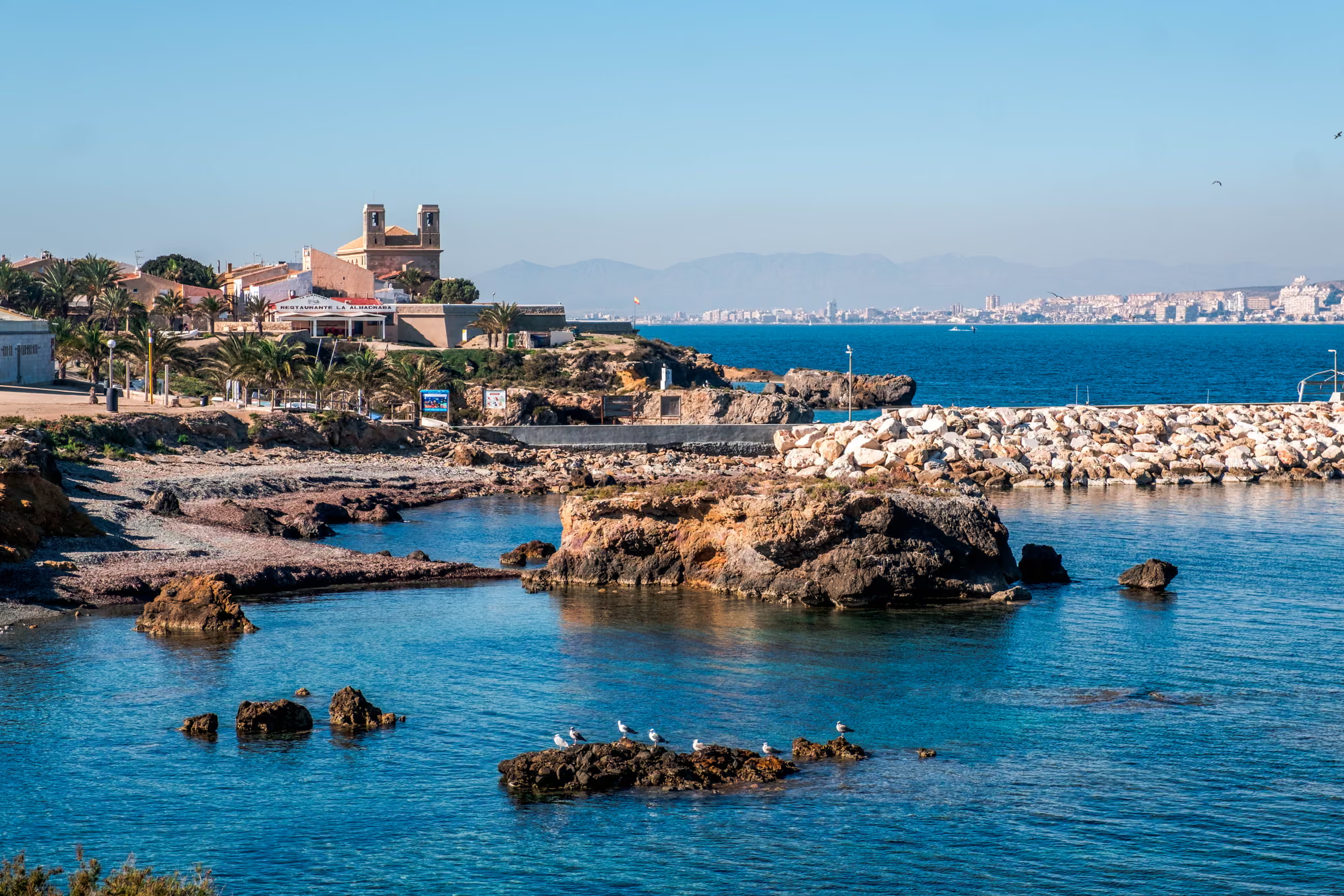
South of Alicante, the island of Tabarca offers another culinary experience. This small island is a marine reserve with transparent waters and abundant fish. Its history spans Greeks, Romans, Berber pirates, and Genoese settlers. At La Almadraba, Nines, the owner, serves a two-course caldero, a fisherman’s stew. Potatoes and fish are simmered in alioli, garlic, saffron, and parsley. The same broth is then used to cook rice, creating a flavorful dish served with a view of the Mediterranean.
Elche, fifteen miles inland, adds another layer to the gastronomic journey. The city is famous for the Dama de Elche sculpture and Europe’s largest palm grove. The palmeral has around 200,000 date palms in a grid of huertos, irrigated to grow pomegranates, citrus, and olives. Miguel Ángel Sánchez, owner of TodoPalmera, showcases the Museo del Palmeral. He highlights dates’ cultural, nutritional, and environmental importance. Elche produces about 80 tonnes of gourmet dates, including local Confitera and popular Medjoul varieties.
My final stop is El Cachito, a 90-year-old family restaurant south of Alicante. Noelia cooks paella over grapevine wood. Rabbit and wild snails mix with artichokes from her garden. The result is a perfect, smoky, and rich rice dish for €18, closing the journey with true Alicante flavor.
Alicante rice and seafood reflect the Mediterranean at its best. Local ingredients, female-led kitchens, and centuries of history combine to create dishes full of flavor and tradition. From old-town restaurants to island stews and inland palm groves, Alicante offers a unique culinary experience for every visitor.