



Author: Andrew Rogers

Andrew Rogers
Andrew Rogers is a seasoned journalist and news analyst specializing in global affairs, politics, and finance. With a passion for investigative reporting, he delivers accurate, insightful stories that inform and engage readers worldwide.
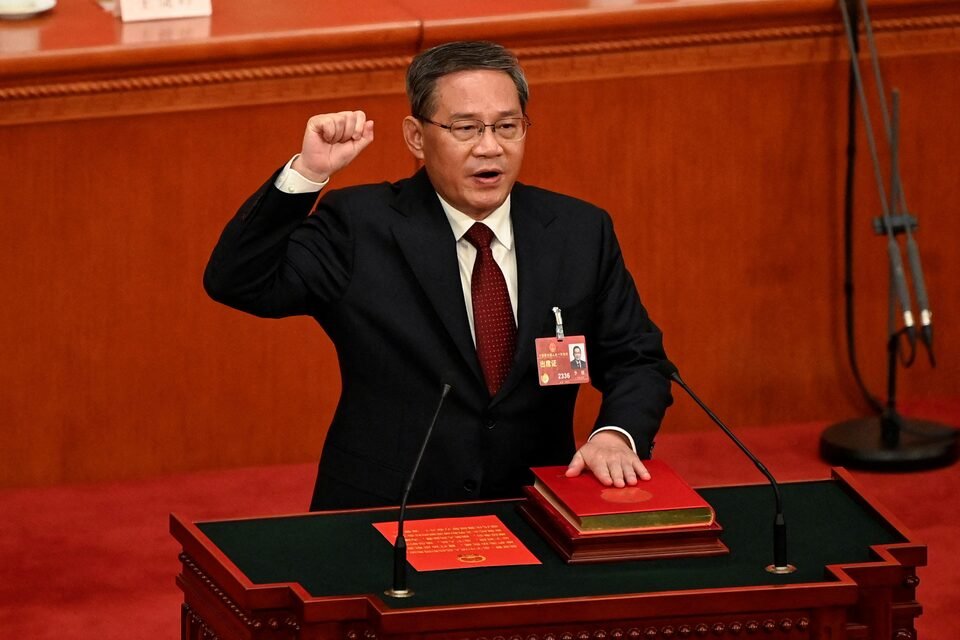
Lei Jun is a name that has become synonymous with innovation and disruption in China’s technology landscape. As the founder, chairman, and CEO of Xiaomi Corporation, Lei Jun has led one of the most successful tech companies in the world. From smartphones to smart home devices and now electric vehicles, Lei Jun has consistently pushed boundaries and transformed markets through smart strategy and forward-thinking leadership. Born on December 16, 1969, in Xiantao, Hubei Province, Lei Jun showed signs of exceptional intelligence from a young age. He attended Wuhan University, one of China’s top institutions, where he earned a bachelor’s degree…

Lei Jun, the founder and CEO of Xiaomi Corporation, is a key figure in China’s technology and innovation landscape. Known for transforming Xiaomi from a startup into a global tech powerhouse, Lei has become one of the most influential entrepreneurs in China. Born on December 16, 1969, in Xiantao, Hubei Province, Lei graduated from Wuhan University with a degree in computer science in 1991. His early exposure to technology shaped his ambition to build smart and accessible products for the masses. Before Xiaomi, Lei Jun had already made a name for himself in China’s tech industry. He joined Kingsoft, a…

The sport utility vehicle, commonly known as the SUV, has become one of the most popular types of vehicles around the world. Combining the space and utility of trucks with the comfort and handling of passenger cars, SUVs offer a unique driving experience that appeals to a wide range of consumers. Originally designed to meet the needs of outdoor enthusiasts, the sport utility vehicle has evolved into a versatile choice for families, commuters, and adventurers alike. A sport utility vehicle is typically characterized by its higher ground clearance, which allows it to navigate rough or uneven terrain more easily than…

Hossein Salami is a key figure in Iran’s military and political landscape, known primarily as the Commander-in-Chief of the Islamic Revolutionary Guard Corps (IRGC). The IRGC is one of the most influential military forces in Iran and plays a critical role in the country’s defense, politics, and foreign policy. Salami’s leadership has been marked by his strong stance on protecting Iran’s sovereignty and advancing its interests both at home and abroad. Born and raised in Iran, Hossein Salami has risen through the ranks of the IRGC over several decades. The IRGC itself was established after the 1979 Iranian Revolution to…
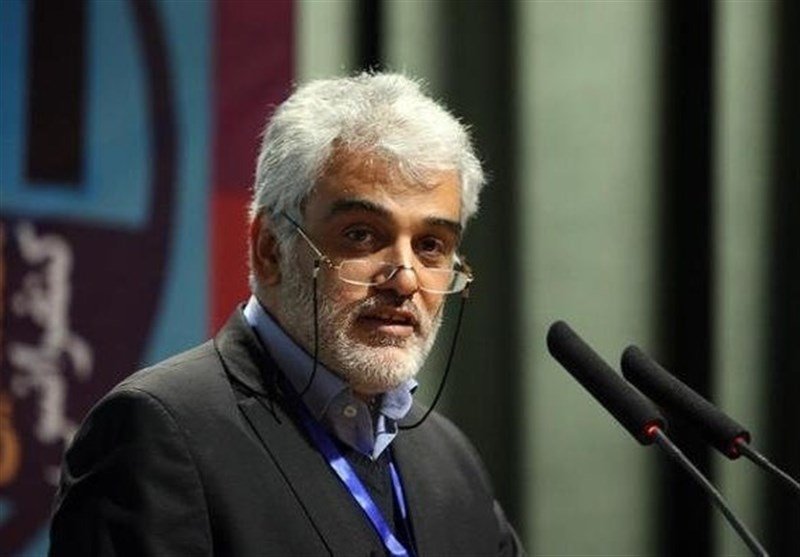
Mohammad Mehdi Tehranchi, a respected Iranian physicist and senior academic figure, was among those killed during the recent war between Iran and Israel. He was honored at a major state funeral held in Tehran for 60 individuals, including military leaders, children, and nuclear scientists. His death highlights his importance in Iran’s nuclear and scientific community, and the broader regional tensions linked to nuclear development. Tehranchi was widely recognized as a leading nuclear scientist and educational figure in Iran. He served as the President of the Islamic Azad University (IAU) in Tehran, one of the country’s largest and most influential private…
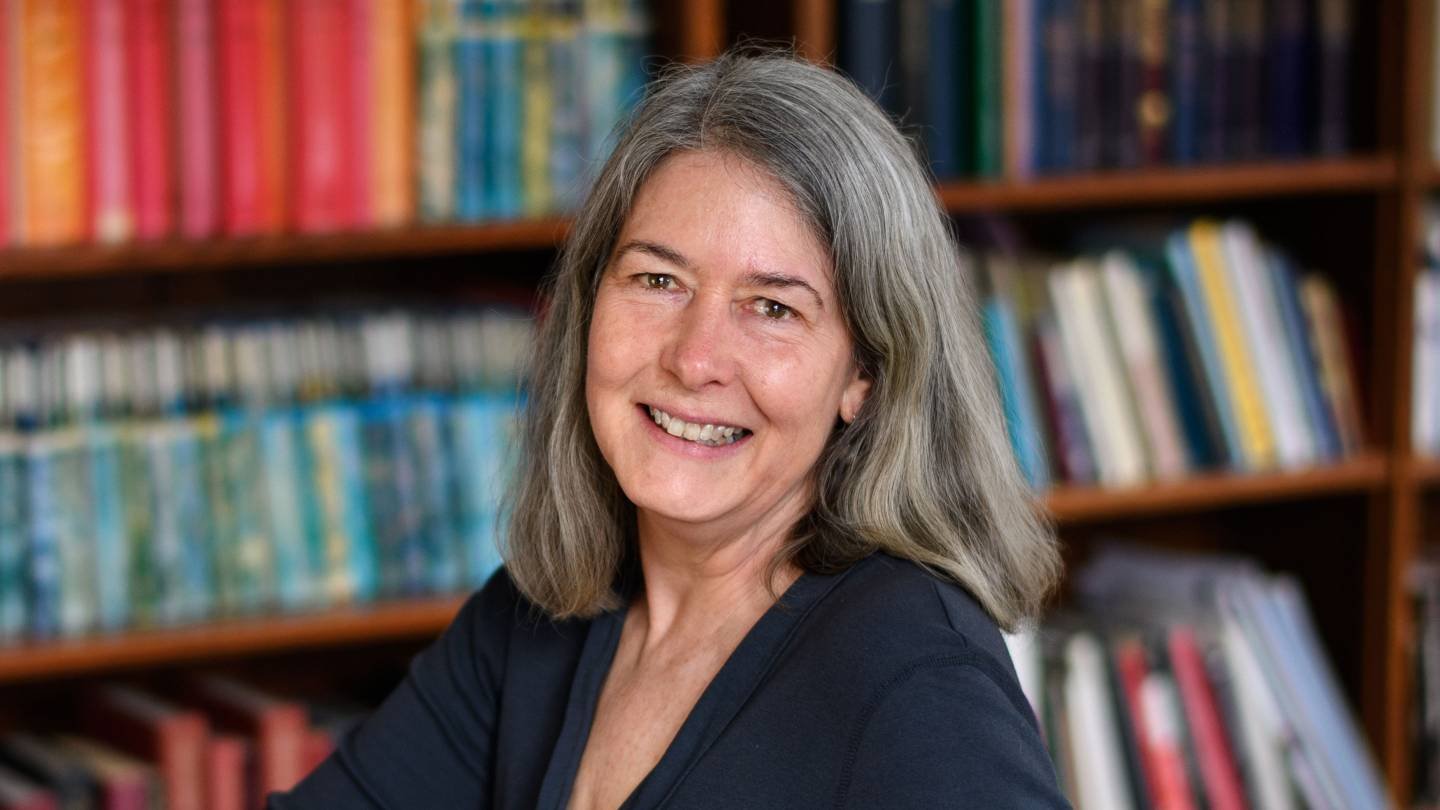
Alison Boden, the Executive Director of the Free Speech Coalition (FSC), has become one of the most prominent voices defending digital rights and privacy within the adult entertainment industry. Since taking over leadership at the FSC in 2020, Boden has focused her work on protecting the rights of adult content creators, businesses, and users, especially as governments in the United States move toward stricter online regulation. She is known for challenging laws that threaten First Amendment freedoms, personal privacy, and the future of lawful adult expression on the internet. Under Boden’s leadership, the Free Speech Coalition has opposed legislation that…
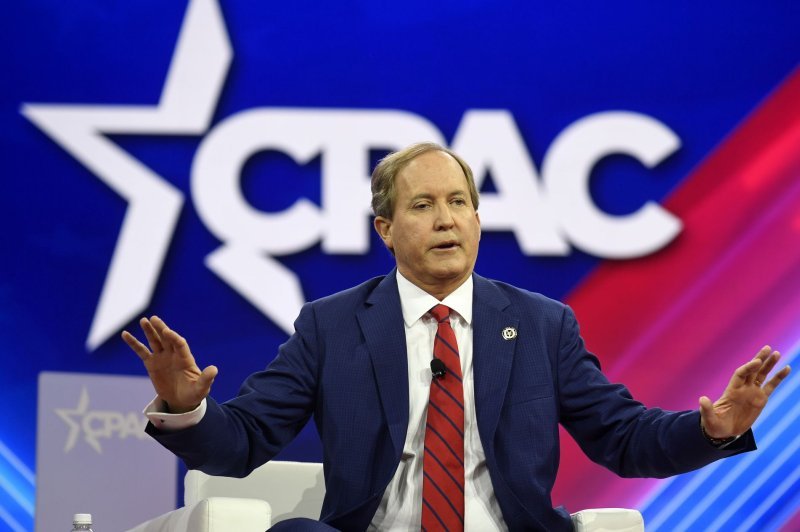
Ken Paxton, the Attorney General of Texas since 2015, remains one of the most influential and controversial political figures in the state. A Republican known for his hardline conservative stance, Paxton has built a reputation as a defender of traditional values and states’ rights, often using the courts to challenge federal authority. Born Warren Kenneth Paxton Jr. on December 23, 1962, in Minot, North Dakota, he grew up in a military family that moved frequently before settling in Texas. Paxton earned a degree in psychology and an MBA from Baylor University and later received his law degree from the University…
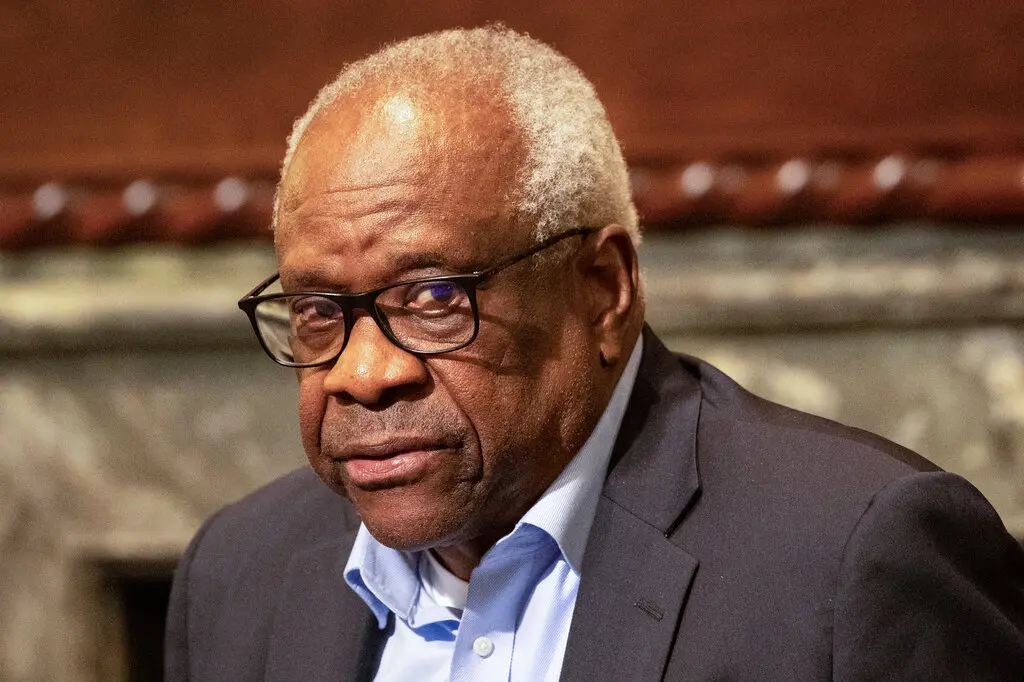
Clarence Thomas, born on June 23, 1948, in Pin Point, Georgia, is an Associate Justice of the United States Supreme Court and one of the most influential and conservative figures on the bench. Growing up in a poor, rural community, Thomas overcame significant challenges to become the second African American to serve on the nation’s highest court. His journey from humble beginnings to the Supreme Court reflects a story of perseverance, strong beliefs, and a firm commitment to his judicial philosophy. Thomas attended Holy Cross College, where he earned a degree in English before going on to Yale Law School.…

Dr. Mark Fendrick is a leading expert in health policy, widely recognized for his work on improving healthcare value through innovative insurance designs. As a professor of internal medicine and health management and policy at the University of Michigan, Dr. Fendrick has spent decades shaping how Americans access and pay for medical care. His research has played a pivotal role in encouraging the use of high-value preventive services and treatments, aiming to improve patient outcomes while reducing overall healthcare costs. One of Dr. Fendrick’s most significant contributions is the concept of value-based insurance design (VBID). This approach seeks to structure…
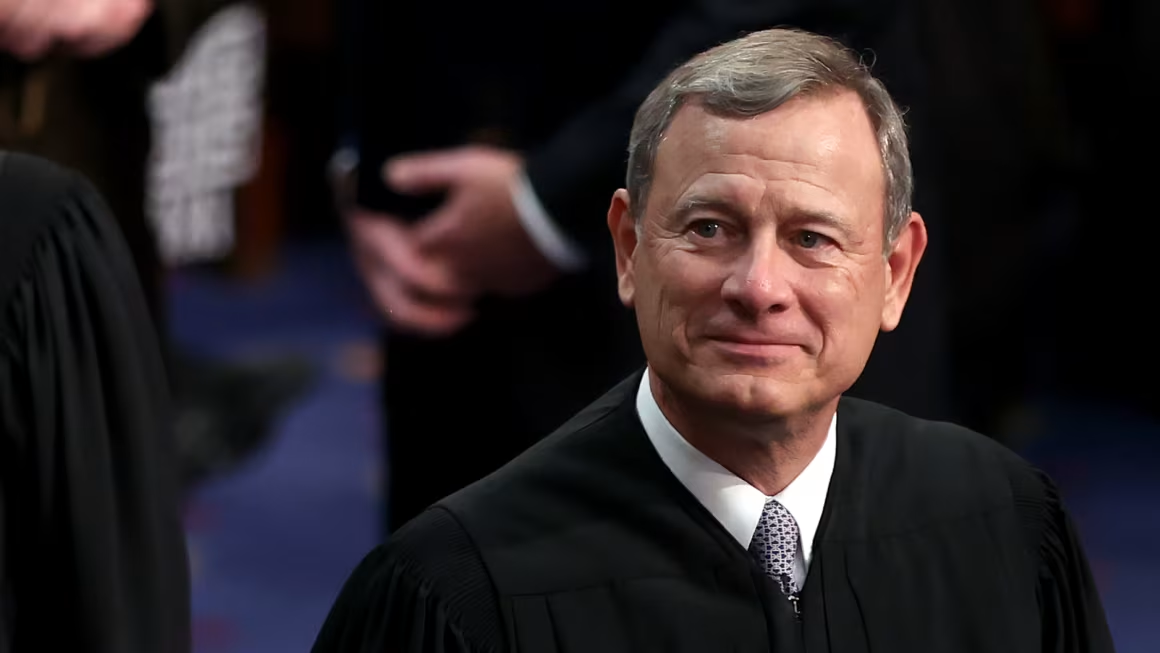
Chief Justice John Roberts has been a pivotal figure in the United States Supreme Court since his appointment in 2005. Born on January 27, 1955, in Buffalo, New York, Roberts has shaped American law through his leadership and judicial decisions. His career reflects a commitment to judicial restraint and a focus on maintaining the Court’s institutional integrity. Roberts’s educational background laid a strong foundation for his legal career. He graduated from Harvard College with a degree in history in 1976 and then attended Harvard Law School, where he earned his law degree in 1979. During his time at law school,…